
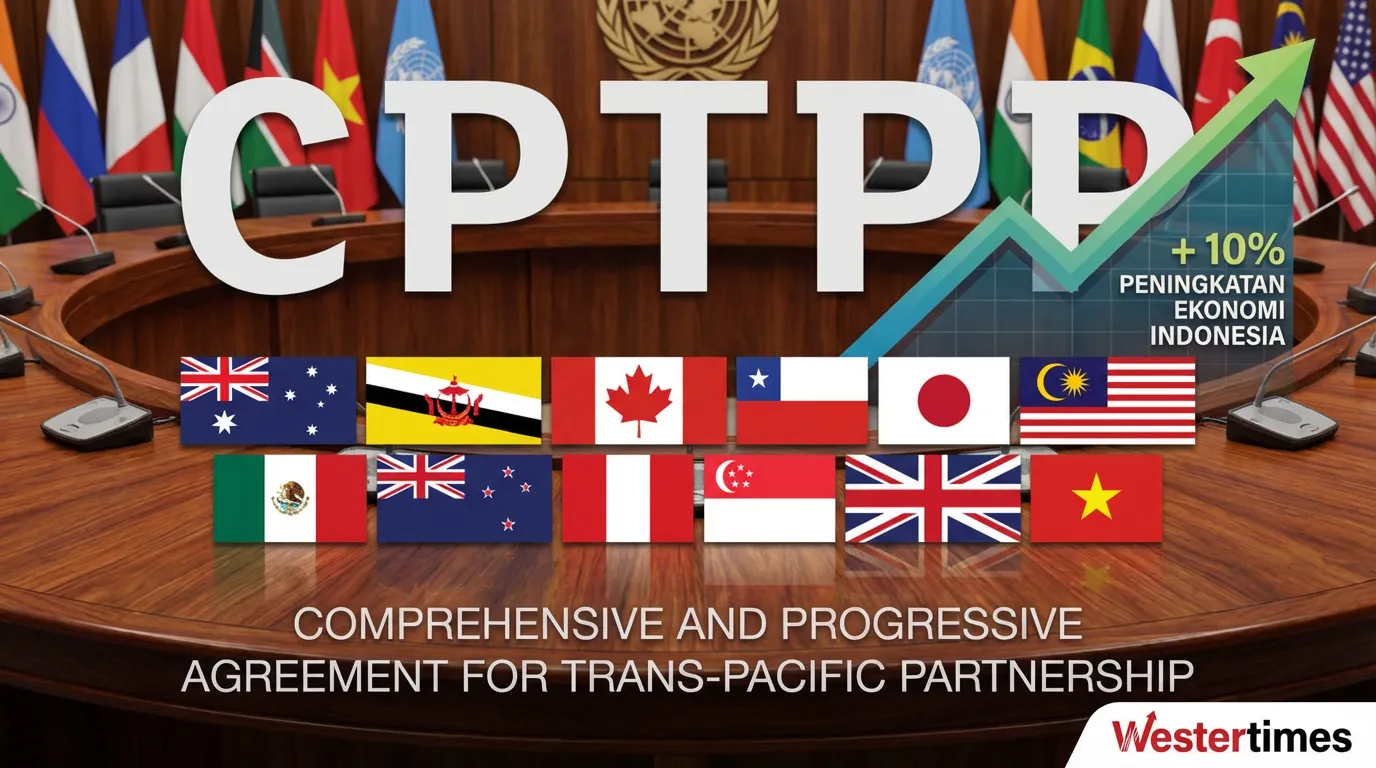
Indonesia Poised to Break Down Mexico’s Automotive Market Barrier via CPTPP
Indonesia is poised to break into Mexico’s automotive market through CPTPP, leveraging trade agreements to expand exports in the growing automotive sector. Indonesia automotive exports.
The CPTPP is a free trade agreement involving several countries in the Asia-Pacific and Latin America regions, including Mexico. Membership in this bloc allows for the gradual elimination or reduction of import tariffs among member countries, opening up opportunities for Indonesian products to enter markets more competitively.
Challenges of Mexico’s Automotive Import Tariffs
- Mexico imposes high import tariffs of up to 35% on automotive products from countries without a free trade agreement (FTA).
- These tariffs cover vehicles and automotive components, including those from Indonesia.
- The policy is seen as a form of protectionism to safeguard Mexico’s domestic automotive industry.
- For non-FTA exporters, high tariffs are a major obstacle to entering the Mexican market.
- If Indonesia joins CPTPP, opportunities to compete without heavy tariff burdens will expand.
- CPTPP membership could significantly boost Indonesia’s automotive export dynamics.
CPTPP and Automotive Market Access Opportunities
The main advantage of CPTPP lies in the elimination of most tariffs among member countries, along with more open investment and trade opportunities. In this context, if Indonesia becomes a full member, Indonesian-made vehicles and automotive parts could enjoy tariff benefits when entering member markets like Mexico, which have previously imposed high tariffs on non-member countries.
CPTPP automotive market, This step aligns with the Indonesian government’s efforts to expand export markets through international trade agreements such as CPTPP and CEPA with various trading partners, enhancing the competitiveness of domestic products. Indonesia automotive exports.
Potential Trade Structure Changes
- If Indonesia officially joins CPTPP, the local automotive industry can more easily penetrate Mexico and other member countries without high tariff barriers.
- Membership could create more efficient trade flows, reduce export costs, and increase Indonesian vehicle sales abroad.
- Accelerated market access via CPTPP could act as a catalyst for investment growth in the automotive sector.
- Joining CPTPP may also facilitate technology transfer and strengthen Indonesia’s automotive supply chain.
- Many experts believe that Indonesia’s CPTPP accession negotiations should be expedited so the benefits can be realized sooner by the domestic automotive industry.
Risks and Strategic Considerations
Despite the significant opportunities, Indonesia must prepare effective strategies to compete in the Mexican market and the wider CPTPP region. Key challenges include:
- Product differentiation to meet diverse market demands
- Quality standardization to comply with international regulations
- Price competitiveness to attract buyers in a competitive environment
- Non-tariff considerations, such as technical product standards and local content requirements, which may affect market penetration
With a well-planned approach, including improving automotive product quality and supporting export policies, Indonesia can maximize the benefits of CPTPP membership, opening doors for Indonesian vehicles and parts to bypass protective tariffs in countries like Mexico.