
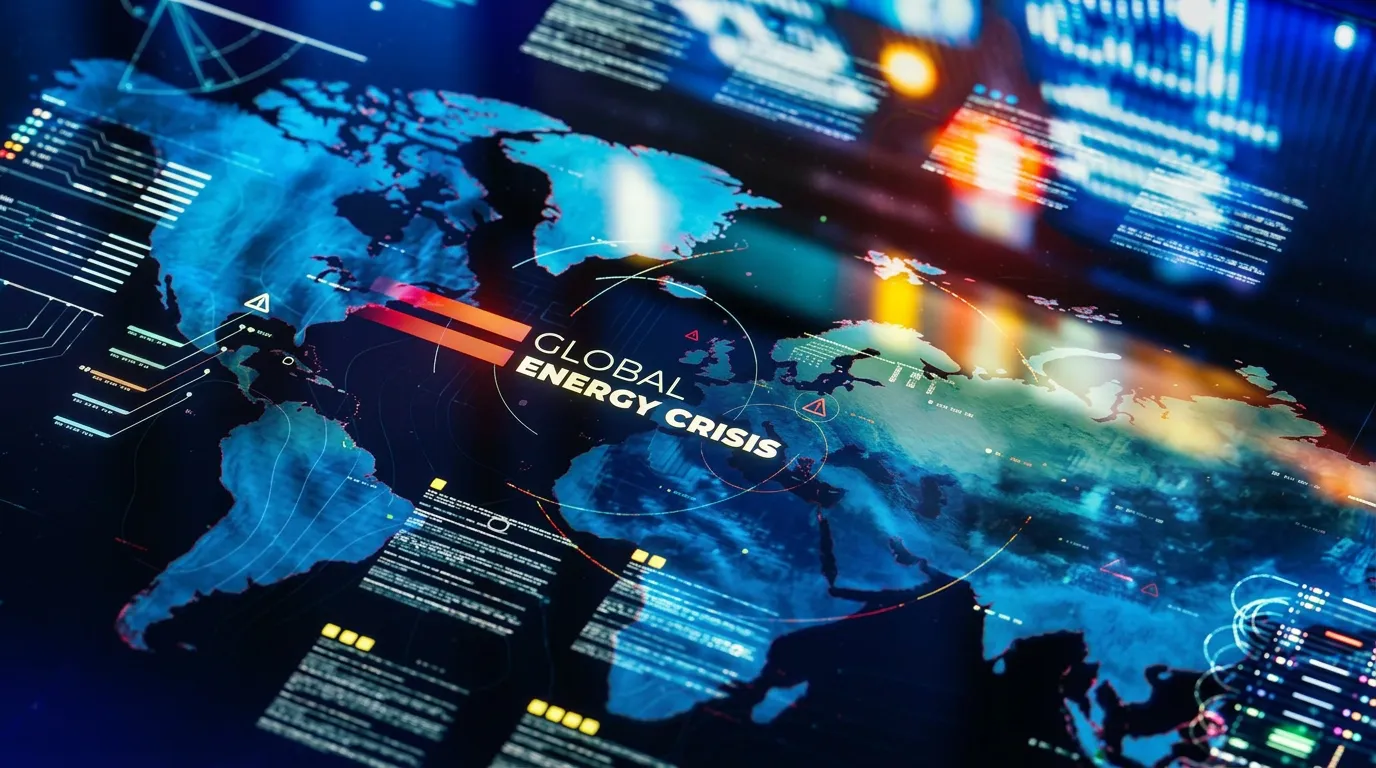
Global Energy Crisis: A Real Threat and Sustainable Solutions
Introduction: A World on the Brink of an Energy Crisis
Global energy crisis, The global energy crisis no longer sits in the realm of future speculation it is rapidly becoming a reality. In recent years, the world has witnessed soaring energy prices, supply chain disruptions, and a growing dependence on depleting resources. This situation raises serious concerns, not only for governments but also for industries and society at large.
Main Causes of the Global Energy Crisis
An energy crisis emerges when demand surpasses available supply. Rapid population growth and accelerated industrialization drive a significant increase in energy consumption. At the same time, reserves of fossil fuels such as oil, coal, and natural gas continue to decline. The transition to renewable energy has not yet caught up with the surge in global demand.
Geopolitical Impact on Energy Stability
Geopolitical conflicts intensify the energy crisis. Tensions among energy-producing countries frequently disrupt distribution and trigger price instability in global markets. Nations that rely heavily on energy imports face heightened risks due to these fluctuations. In this context, every country must strengthen its energy security as a strategic priority.
The Role of Climate Change in the Energy Crisis
Climate change further aggravates the global energy crisis. Extreme weather events such as heatwaves and storms disrupt energy infrastructure, from power plants to distribution networks. At the same time, efforts to reduce carbon emissions push the need for a faster energy transition. However, this process requires substantial investment and considerable time.
Energy Innovation as a Key Solution
Innovation plays a critical role in addressing the energy crisis. Renewable energy technologies such as solar, wind, and hydropower offer strong potential to meet future energy needs. However, these technologies still face challenges, including high initial costs and limited energy storage capabilities. Therefore, governments, private sectors, and research institutions must strengthen collaboration to accelerate progress.
The Importance of Efficiency and Public Awareness
Energy efficiency must become a primary focus in reducing pressure on supply. The adoption of energy-saving technologies in industries and households can significantly lower consumption. In addition, public awareness must increase to encourage responsible energy use. Simple actions, such as reducing excessive electricity usage or choosing environmentally friendly transportation, can create meaningful impact.
Conclusion: Time for Real Action
The global energy crisis presents a complex challenge that demands comprehensive solutions. Without concrete action, its effects could spread across multiple sectors, including the economy and social stability. Therefore, all stakeholders must take proactive steps. With the right strategies, continuous innovation, and strong global cooperation, the world still holds the opportunity to overcome the looming energy crisis.