Pakistan Prepares to Host Second Round of US–Iran Negotiations
A Strategic Diplomatic Move
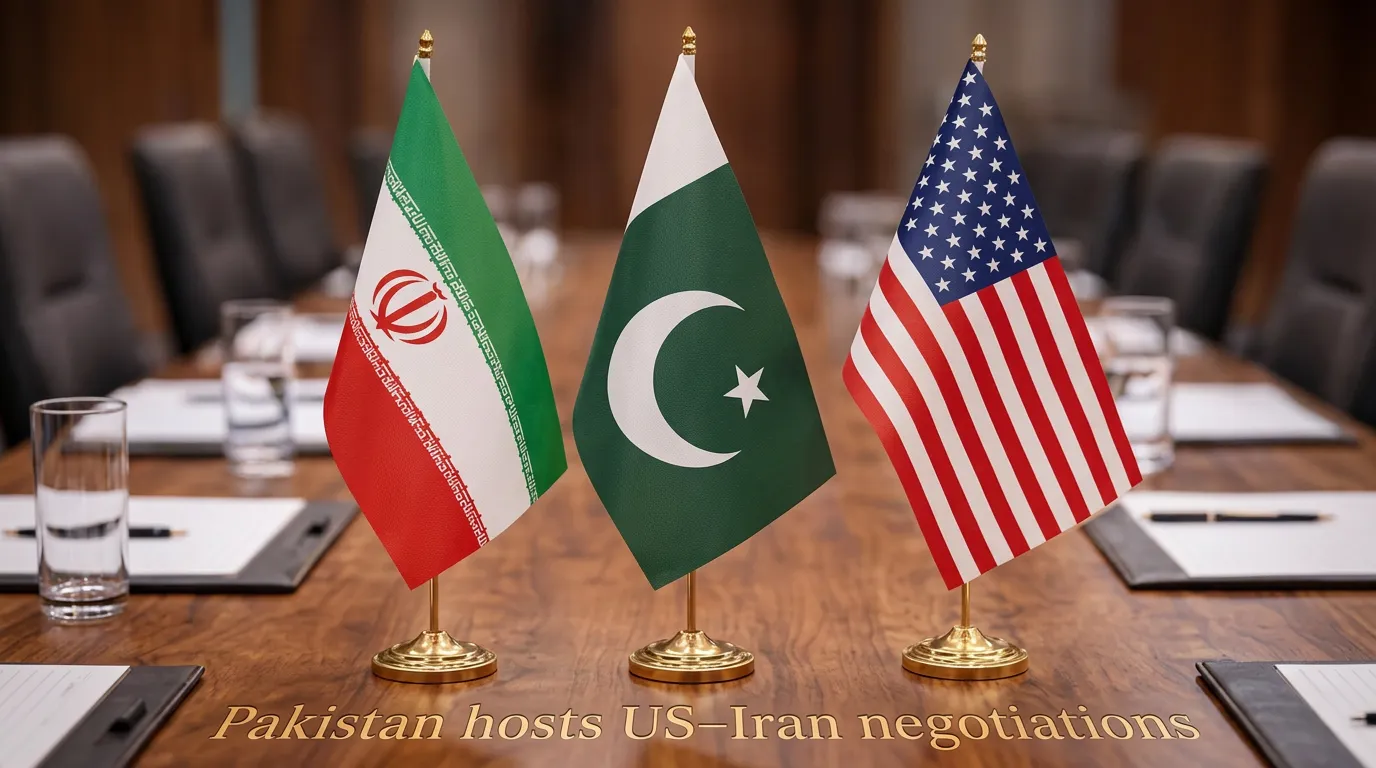
Pakistan hosts US–Iran negotiations, Pakistan steps forward once again to strengthen its role on the global stage. As tensions between the United States and Iran continue to shape geopolitical dynamics, Islamabad positions itself as a key facilitator for renewed dialogue. After the first round of negotiations ended without a final agreement, both sides now look toward a second round that could define the future of regional stability. Pakistan hosts US–Iran negotiations
Building on the First Round
Pakistan hosted the initial talks and created a neutral environment that encouraged open communication. Although the first meeting did not produce a breakthrough, it laid a crucial foundation. Now, diplomatic efforts gain momentum as officials from both countries prepare to return to the negotiation table. Pakistan actively coordinates with both delegations to ensure smoother and more productive discussions in the upcoming round.
Why Pakistan Remains the Preferred Host
International stakeholders continue to view Pakistan as a credible and balanced mediator. Its geographic position, diplomatic ties, and willingness to engage with all parties give it a unique advantage. Rather than shifting the venue to traditional diplomatic hubs, decision-makers increasingly favor Islamabad. This preference highlights growing trust in Pakistan’s ability to manage sensitive negotiations effectively.
Key Issues on the Table
Despite renewed efforts, major challenges remain. The United States pushes for stricter limitations on Iran’s nuclear program, aiming to prevent further escalation. At the same time, Iran demands the removal of economic sanctions that have significantly impacted its economy. These opposing priorities create tension, yet they also underline the importance of continued dialogue. Both sides recognize that compromise offers the only viable path forward.
Pakistan’s Active Diplomatic Role
Pakistan does more than provide a venue. Its leadership engages directly with both parties, encouraging constructive dialogue and reducing misunderstandings. Government officials maintain continuous communication with international partners to align expectations and keep negotiations on track. This proactive approach strengthens Pakistan’s image as a responsible and capable diplomatic actor.
A Window of Opportunity
A temporary reduction in regional tensions offers a critical opportunity for progress. This fragile calm allows negotiators to focus on long-term solutions rather than immediate conflicts. Pakistan aims to capitalize on this moment by fostering a stable and secure environment for discussions. The success of the second round will depend largely on each side’s willingness to prioritize diplomacy over confrontation.
Global Attention on Islamabad
As preparations continue, the international community watches closely. A successful outcome could reshape regional relations and reduce long-standing tensions between two major powers. More importantly, it could reinforce the value of diplomacy in resolving complex global conflicts.
Conclusion
Pakistan’s decision to host the second round of US–Iran negotiations reflects both ambition and responsibility. By taking an active role, Islamabad helps keep diplomatic channels open at a time when dialogue matters most. While challenges remain significant, the upcoming talks offer a renewed chance for progress. In this evolving landscape, Pakistan stands at the center of a critical effort to promote peace and stability.