Global Economy on the Edge: Is the World Heading Toward a Recession?
Growing Concerns Over the Global Economic Outlook
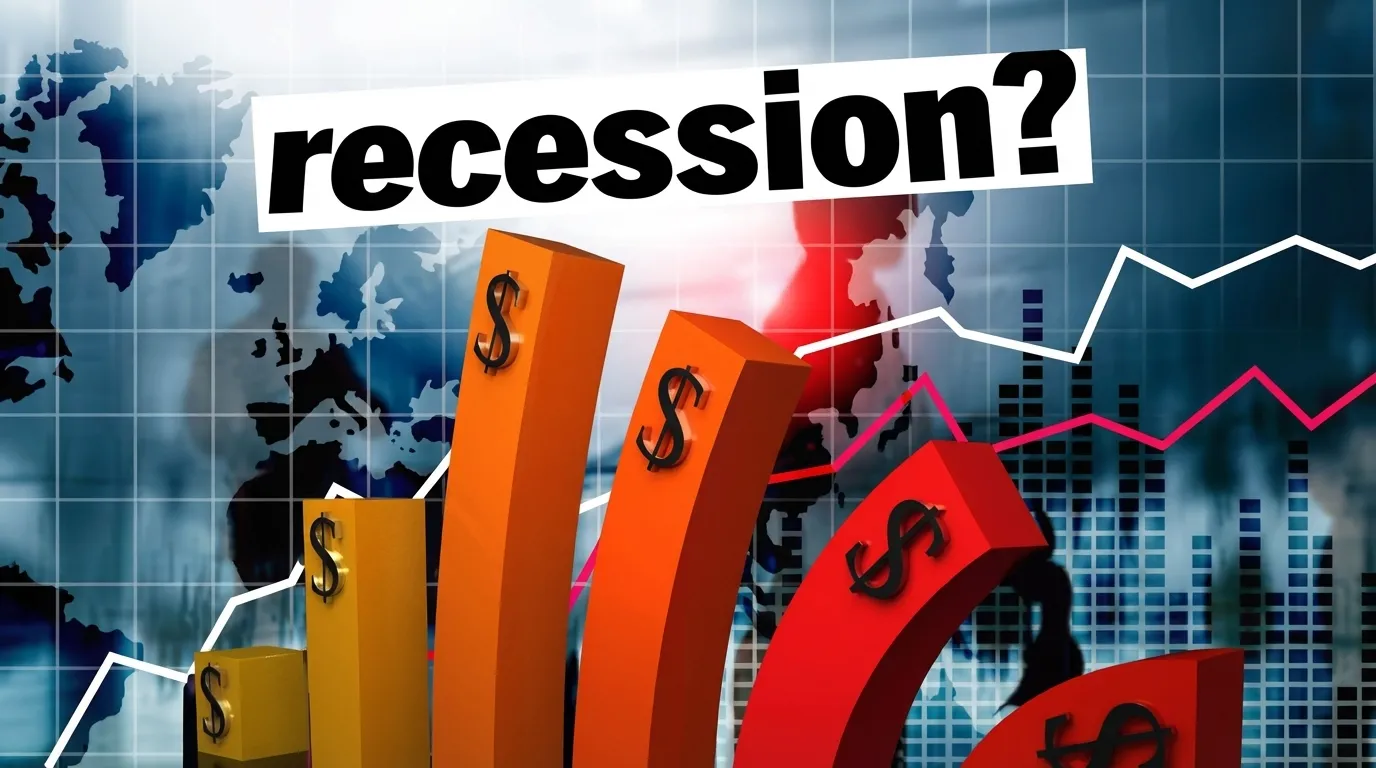
The Global economic recession, is once again facing a period of uncertainty. After several years of recovery from the pandemic, economists and financial institutions are warning that the risk of a global recession is increasing. Slowing growth in major economies, persistent inflation, and geopolitical tensions are creating a fragile economic environment. As a result, investors, policymakers, and businesses around the world are watching economic indicators more closely than ever.
In recent months, economic data from several large economies have shown signs of weakness. Manufacturing activity has slowed, consumer confidence has declined, and global trade growth has weakened. These developments suggest that the momentum that supported economic recovery in previous years is gradually fading. Consequently, fears of a global downturn are becoming more prominent in economic discussions.
Inflation and High Interest Rates Put Pressure on Growth
One of the biggest challenges facing the global economy today is persistent inflation. Although inflation rates have started to ease in some countries, they remain higher than central banks’ targets. To control rising prices, many central banks have implemented aggressive interest rate hikes over the past two years.
Higher interest rates, however, come with consequences. While they help reduce inflation, they also make borrowing more expensive for businesses and consumers. Companies may delay investments, households may reduce spending, and financial markets can become more volatile. Over time, these factors can significantly slow economic growth.
Furthermore, tighter financial conditions are affecting developing economies more severely. Many emerging markets rely on external financing, and higher global interest rates make it more difficult for them to manage debt and maintain economic stability. Therefore, the ripple effects of monetary tightening are being felt worldwide.
Geopolitical Tensions Add to Economic Uncertainty
In addition to financial pressures, geopolitical tensions are also contributing to global economic risks. Conflicts, trade disputes, and shifting alliances are disrupting supply chains and increasing uncertainty in international markets. For example, ongoing geopolitical rivalries have forced many countries to reconsider their trade relationships and economic strategies.
This environment has led companies to rethink global supply chains. Some firms are relocating production closer to home or diversifying suppliers to reduce risks. While these adjustments may improve long-term resilience, they also create short-term costs that can slow global trade and investment.
Moreover, energy markets remain sensitive to geopolitical developments. Sudden disruptions in energy supply can quickly affect inflation, production costs, and consumer spending. As a result, global economic stability remains closely tied to political developments around the world. Global economy crisis.
Can the Global Economy Avoid a Recession?
Despite the growing risks, many economists believe that a global recession is not inevitable. Several factors could help stabilize the economy. For instance, inflation in some major economies is gradually declining, allowing central banks to consider slowing or pausing interest rate increases.
At the same time, technological innovation and digital transformation continue to support productivity and new business opportunities. Governments are also investing in infrastructure, renewable energy, and advanced industries, which may help sustain economic activity in the coming years.
Nevertheless, the path forward remains uncertain. Policymakers must carefully balance inflation control with economic growth. If managed effectively, the global economy may navigate this challenging period without falling into a severe recession. However, if risks intensify, the possibility of a global downturn could become a reality.