Indonesia–United States Trade Negotiations Conclude: A New Era in Bilateral Commerce
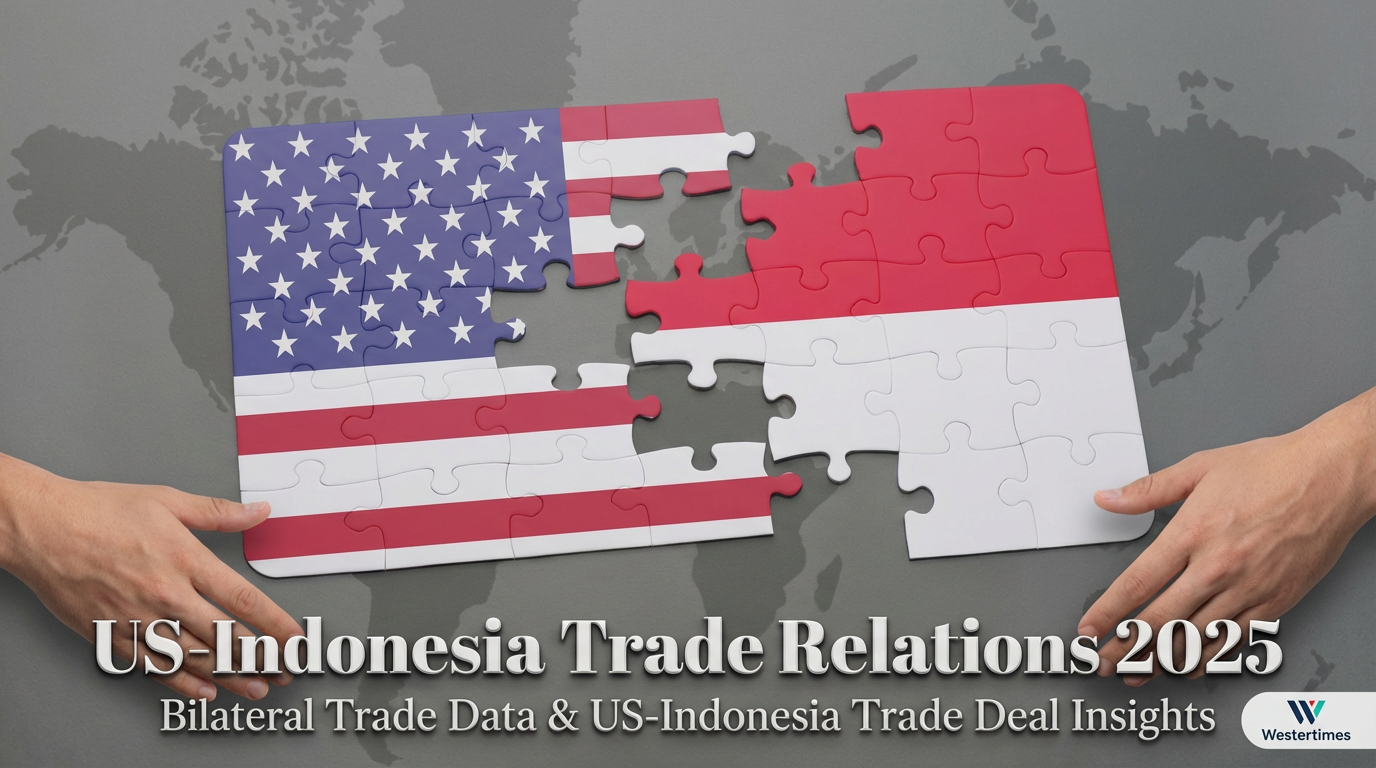
In early 2026, Indonesia–United States trade negotiations, marking a major milestone in economic diplomacy between the two nations. After months of talks, both governments moved closer to finalizing a Reciprocal Trade Agreement (RTA) aimed at enhancing market access, reducing tariff barriers, and unlocking new opportunities for exporters and investors from both sides.
This historic achievement not only strengthens commercial ties but also signals a renewed commitment to mutually beneficial economic cooperation. With Indonesia ranking as the United States’ second‑largest trading partner in the region and vice versa, the deal is expected to have far‑reaching impacts on trade flows, industrial competitiveness, and investment relations.
Why This Trade Agreement Matters
Trade agreements are complex, and the Indonesia‑U.S. talks were no exception. Here’s why the successful conclusion matters:
- Tariff Reductions: Negotiations focused heavily on reducing tariffs, especially on Indonesian commodities such as palm oil, cocoa, coffee, and tea potentially lowering some tariffs to zero over time.
- Market Access: Both nations aim to expand access for goods and services, boosting export potential for farmers, manufacturers, and digital economy players.
- Balanced Benefits: Officials emphasized the agreement’s balanced nature, with U.S. producers gaining improved access to Indonesian markets and vice versa.
- Economic Confidence: The deal reinforces investors’ confidence and signals stability in global trade relations.
Timeline of Key Negotiation Milestones
| Event | Timeline | Key Outcome |
|---|---|---|
| Initial Tariff Talks | Mid‑2025 | Discussions to resolve barriers and explore reciprocal trade frameworks. |
| Drafting & Legal Scrubbing | Late 2025 | Both countries focused on harmonizing legal texts and technical details. |
| Final Negotiation Push | January 2026 | Targeted completion of substantive negotiation points ahead of signature. |
| Agreement Conclusion | Early 2026 | Trade negotiations completed; implementation and formal signing in planning. |
Impact on Key Sectors
1. Agriculture & Commodities
The agricultural sector is poised for growth with improved tariff treatments on Indonesian exports like coffee, cocoa, and tea boosting competitiveness in the U.S. market. Meanwhile, U.S. agricultural exporters have welcomed expanded access into Indonesia.
2. Manufacturing & Industrial Goods
Reduced trade barriers mean Indonesian textile, footwear, and electronics sectors could see higher demand abroad, while U.S. manufacturers enjoy smoother access to Southeast Asia’s largest economy.
3. Energy & Investment
The agreement underscores strategic cooperation in energy and critical minerals, with the U.S. showing interest in Indonesian resources. Bilateral trade deal.
Opportunities and Risks Ahead
While the agreement opens numerous doors, analysts caution about potential long‑term challenges:
- Competitive Pressures: Aligning with U.S. standards might create competitive pressures for certain local industries.
- Diplomatic Balance: Trade rules with the U.S. could influence Indonesia’s trade dynamics with other partners, requiring careful diplomacy.
- Implementation Complexity: Successful execution demands robust regulatory coordination between Jakarta and Washington.
Looking Forward: What’s Next?
Both governments plan to formally sign the trade agreement document later in early 2026, symbolizing a commitment to deeper economic partnership. Leaders from both sides, including Indonesian President Prabowo Subianto and U.S. President Donald Trump, are poised to endorse the final text once legal details are fully harmonized.
In the coming months, businesses and policymakers will turn their attention to implementing measures that ensure the deal translates into real growth from improved export figures to higher foreign investment inflows.
Conclusion
The successful conclusion of trade negotiations between Indonesia and the United States represents a landmark achievement in bilateral economic relations. With tariff barriers easing, new market opportunities emerging, and a shared vision of balanced benefits, this agreement illustrates how strategic diplomacy can unlock economic momentum. As both nations move toward formal signing and implementation, stakeholders will watch closely to seize opportunities and manage transitions in an increasingly interconnected global marketplace.