Cuba’s Unwavering Stand: Sovereignty Above Pressure from the United States
Cuba sovereignty under U.S. pressure, has once again made it abundantly clear that it will not relinquish its sovereignty, even as economic and political pressure from the United States continues to intensify. In recent weeks, diplomatic tensions between Havana and Washington have reached a new high, driven by U.S. executive actions and longstanding historical grievances. Despite these mounting pressures, Cuban leaders emphasize that their nation’s independence and chosen system of governance are non‑negotiable.
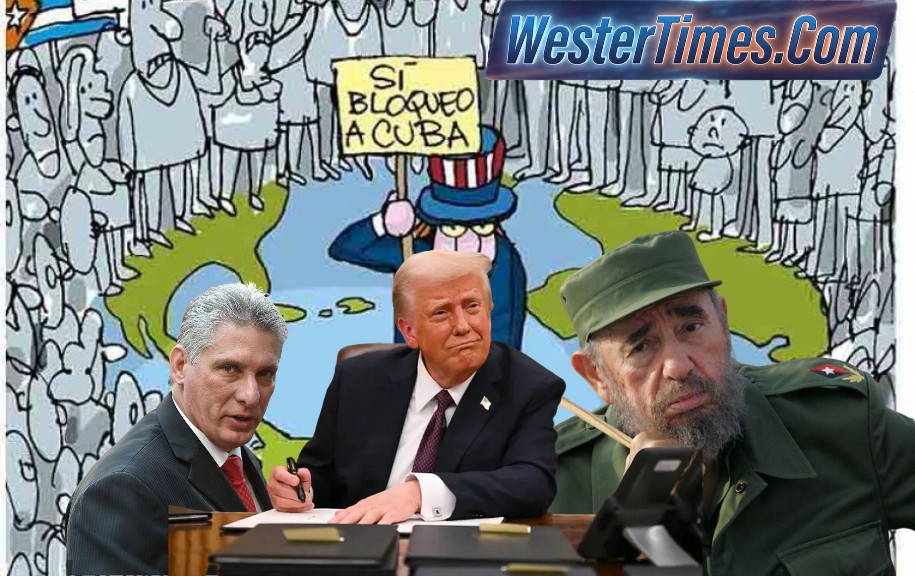
In late January 2026, U.S. President Donald Trump signed an executive order enabling tariffs on imports from countries supplying oil to Cuba, and declared a state of emergency citing national security concerns. These measures are widely viewed by Cuban officials as part of a broader strategy to undermine Havana’s economic stability and political autonomy. However, Cuban diplomats have responded emphatically, reinforcing their commitment to sovereign self‑determination.
Cuba’s Message: Sovereignty First
At the heart of Cuba’s stance is a refusal to compromise its sovereignty and self‑chosen political system, regardless of external pressures. The Cuban Ambassador to Ecuador, Basilio Gutierrez, stated that although the Cuban people are experiencing difficult times, they will not abandon the Cuban system or their sovereign rights.
Similarly, Cuba’s Foreign Minister Bruno Rodriguez has publicly condemned what he describes as decades of U.S. aggression and attempts to impose its will on smaller nations. According to Rodriguez, Washington has relied on economic and military power to influence foreign governments, but Cuba remains steadfast in defending its independence under international law.
Key Statements from Cuban Leadership
| Leader | Primary Message |
|---|---|
| Basilio Gutierrez | Cuba will not relinquish sovereignty or its government system. |
| Bruno Rodriguez | Cuba rejects US threats and will uphold international law. |
| Miguel Díaz‑Canel | Dialogue with the U.S. must be based on equality, not coercion. |
Each of these voices underscores a consistent theme: Cuba’s resolve is not contingent on external approval or concessions.
Why This Matters Internationally
Cuba’s resolution has implications beyond its borders. As tensions with the U.S. escalate, other nations in Latin America and the Caribbean are watching closely. Cuban officials have urged regional partners to collectively defend independence and sovereignty against perceived external threats.
The response from international actors has varied. For instance, Russia has criticized the latest U.S. policies as economic strangulation and a breach of international norms. Meanwhile, Venezuela has condemned U.S. efforts to disrupt legal trade with Cuba, arguing that such measures violate fundamental principles of sovereign commerce.
Challenges and Opportunities Ahead
Despite a firm political stance, Cuba faces significant economic challenges. Ongoing energy shortages, supply constraints, and the effects of long‑standing sanctions have strained daily life. Critics argue that economic hardships could weaken Cuba’s internal cohesion, while supporters view these pressures as further proof of the need for self‑reliance. Cuba political independence.
Yet, transitions can offer opportunities. Cuba’s insistence on sovereignty may push it to strengthen multilateral relations, diversify economic partnerships, and engage in regional diplomacy.
Cuba’s Core Principles Going Forward
Below is a summary of Cuba’s guiding commitments in the face of continued U.S. pressure:
- Defense of national sovereignty at all costs.
- Refusal to yield to threats, coercion, or blackmail.
- Adherence to international law and peaceful coexistence.
- Promotion of regional cooperation against external interference.
In conclusion, Cuba’s message to the world is clear: sovereignty is not for sale, and diplomatic engagement must occur on terms of respect and equality. As geopolitical dynamics evolve, Havana’s unwavering stance remains a defining feature of its foreign policy in 2026 and beyond.