Introduction: A Major Shift in Japan’s Defense Strategy
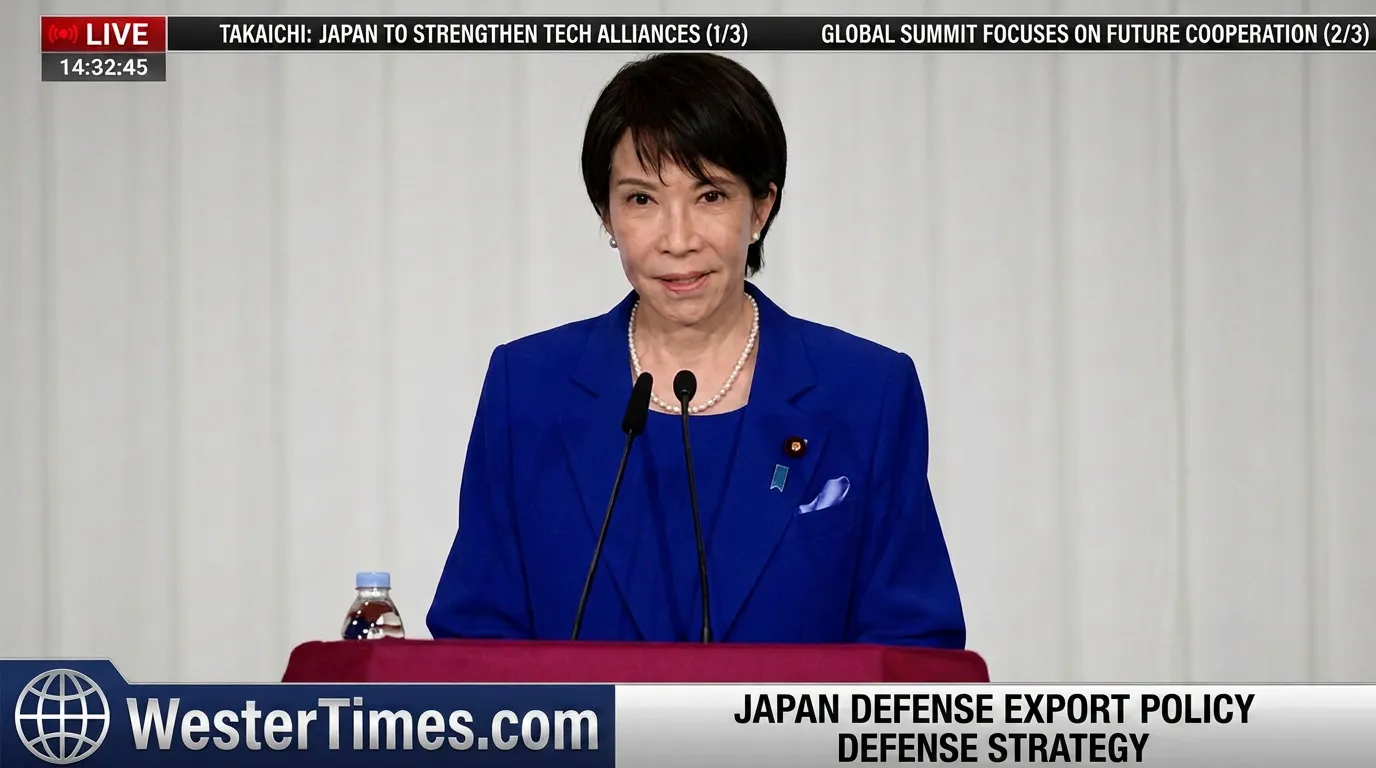
Japan defense export policy, Japan reshapes its defense policy and opens a new chapter in its global security role. The government updates long-standing restrictions and now allows controlled exports of defense equipment to international partners. This decision signals a strategic transformation driven by rising regional tensions and growing demand for advanced defense technology.
Japan Revises Strict Post-War Arms Export Rules
Japan originally enforced strict limits on weapons exports for decades. The country built its defense identity on a pacifist constitution and avoided international arms trade. However, current global security challenges push policymakers to rethink this position.
Now, the Japanese government actively expands export permissions for selected defense equipment. Officials focus on defensive systems, surveillance technology, and non-offensive military hardware. This shift allows Japan to participate more directly in global security cooperation.
Government Targets Stronger Security Partnerships
Japan strengthens alliances by adjusting its export rules. The government promotes defense collaboration with trusted partner countries. These partnerships help Japan respond to regional instability and rising geopolitical risks in the Asia-Pacific region.
Leaders emphasize strategic cooperation rather than unrestricted arms trade. Japan evaluates each export case carefully and approves only deals that align with national security goals and diplomatic relationships.
Defense Industry Gains New Growth Opportunities
Japan’s defense manufacturers benefit significantly from this policy change. Companies increase research, expand production, and develop more advanced technologies for international markets. This momentum drives innovation across the entire defense sector.
Export opportunities also encourage private sector investment. Firms compete to create high-performance systems that meet global standards. As a result, Japan strengthens its position in the international defense technology market.
Economic Impact and Industrial Expansion
The updated export policy boosts economic activity in Japan’s high-tech manufacturing sector. Defense companies generate new revenue streams through international contracts. This growth supports job creation and expands industrial capacity.
Japan also enhances its technological leadership by integrating defense innovation with civilian applications. Many technologies developed for defense systems later support aerospace, robotics, and communication industries.
Public Debate and International Reactions
The policy change sparks strong discussion inside Japan and abroad. Supporters argue that Japan must adapt to modern security demands and contribute more actively to global stability. They see the export expansion as a practical step toward stronger international engagement.
Critics raise concerns about Japan’s pacifist identity. They worry that increased arms exports may shift the country away from its post-war principles. Despite this debate, the government maintains strict oversight to ensure responsible use of exported equipment.
Strict Controls Guide Export Decisions
Japan applies detailed regulations to manage defense exports. Authorities evaluate each deal based on destination country, purpose of use, and security implications. Japan only approves exports to nations with stable diplomatic relations and defensive intentions.
This controlled approach allows Japan to balance economic growth, international cooperation, and ethical responsibility. Officials continue to monitor the policy closely to maintain transparency and trust.
Conclusion: Japan Enters a New Defense Era
Japan transforms its defense export policy to match today’s global security environment. The country expands its international role while maintaining strict regulatory control. This strategic shift positions Japan as a more active participant in global defense cooperation and strengthens its influence in advanced military technology markets.