Iran Ready to Confront the US: Latest Geopolitical Tensions Explained
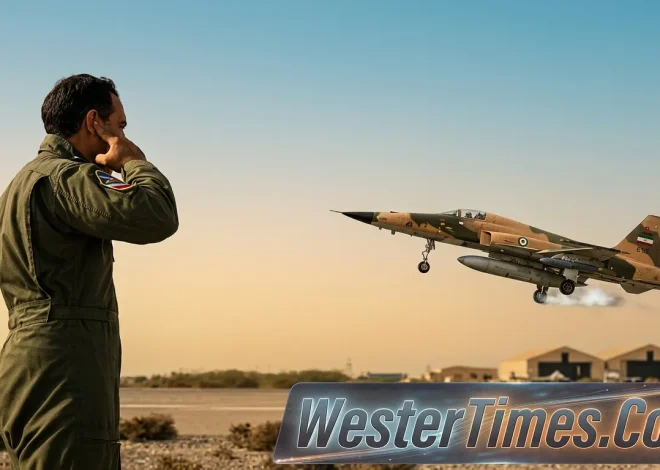
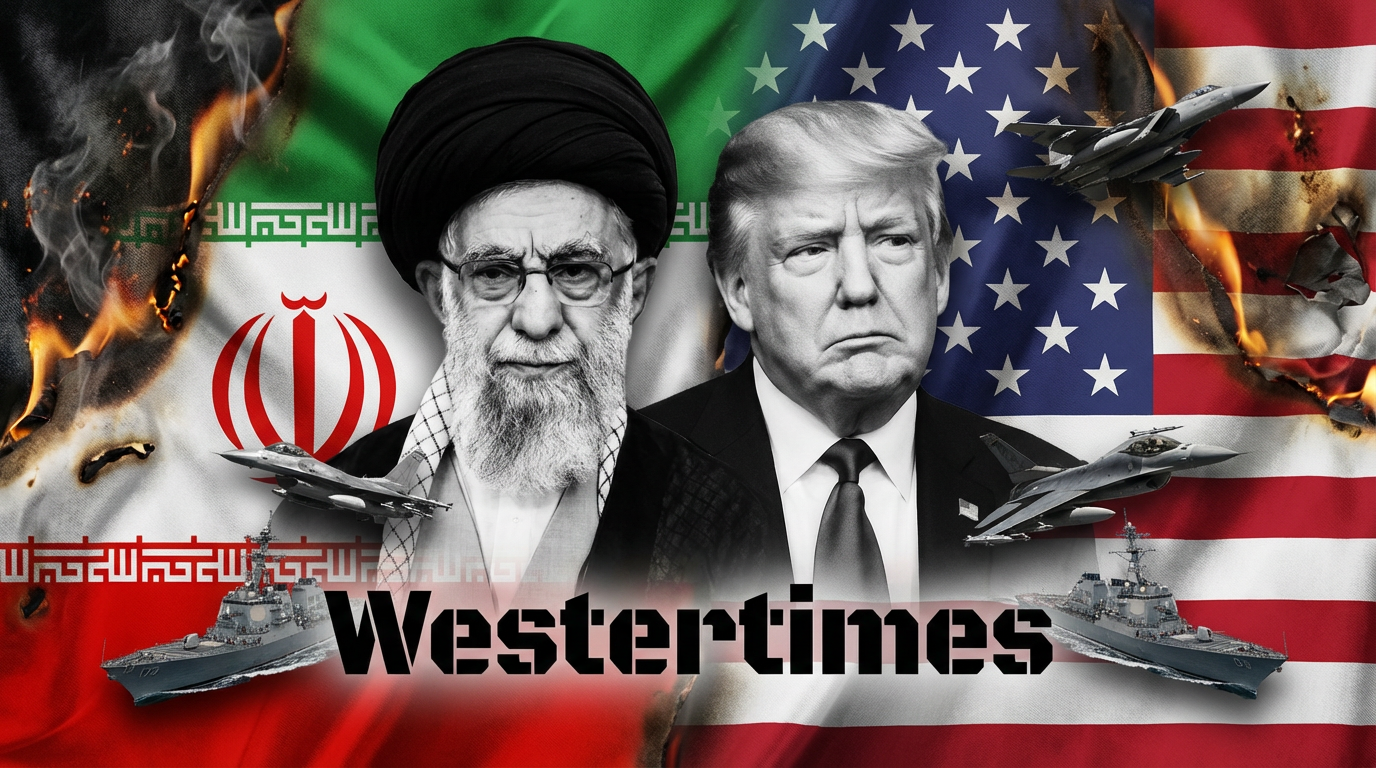
Iran Ready to Confront the US, The longstanding tensions between Iran and the United States (US) have intensified in early 2026. After a series of threats and strategic military maneuvers, the global community is on high alert. Iran’s statement that it is prepared to face the US signals a serious escalation, highlighting both regional and international stakes.
Iranian officials recently declared that they are “more prepared than ever” to respond to potential foreign attacks, particularly from Washington. This is not mere symbolism Tehran is signaling its readiness to defend national sovereignty decisively.
In response to increasing US pressure, Iran has revealed that its armed forces now operate 1,000 advanced drones, developed using lessons from the 2025 conflict with Israel. These drones are a central part of Iran’s offensive and defensive strategies, emphasizing their strengthened military capabilities.
US Military Presence Escalates Tensions
The US has deployed a substantial military fleet to the Persian Gulf, indicating that all options including military intervention remain on the table. This escalation has prompted a firm reaction from Tehran, emphasizing that Iran is ready for any confrontation.
Iranian officials have stated that any military attack would be met with immediate and strong retaliation. This demonstrates that Iran’s military readiness is not symbolic; it is a tangible, high-level deterrent capable of rapid deployment. Iran military readiness.
Live-fire exercises are also scheduled in the strategic Strait of Hormuz, a vital waterway through which roughly 20% of the world’s oil trade passes. Any instability here could trigger global economic repercussions, particularly in energy markets.
Diplomatic Challenges Amid Rising Tensions
Despite the escalating threats, some regional actors, including Qatar, Turkey, and the UAE, are actively seeking diplomatic solutions. They stress dialogue over confrontation and oppose using their territories as a base for potential attacks on Iran.
Nevertheless, the divide between the US and Iran remains stark. Washington insists on maintaining all options to prevent Iran from advancing its nuclear program, while Tehran refuses to negotiate under threatening conditions. The result is a tense standoff, with both sides testing each other’s limits.
Global Implications: Economy and Geopolitics
The Iran–US standoff is far from a regional issue it has global consequences. Oil markets have already responded, with Brent crude prices surging due to fears of supply disruption. This illustrates how instability in the Persian Gulf could affect economies worldwide.
Beyond economics, the tension could reshape geopolitical alliances in the Middle East. Countries like Russia are advocating for dialogue, signaling that the region is at a critical crossroads between diplomacy and military conflict.
Conclusion
Iran appears ready to confront the US both diplomatically and militarily in 2026. While dialogue remains possible, the predominance of hardline statements and threats signals a critical moment in bilateral relations. The implications extend beyond politics, potentially affecting global energy markets, regional stability, and international security.
As tensions rise, the world watches closely, knowing that the outcome could redefine the Middle East’s geopolitical landscape for years to come. Iran vs US.