US Voices Frustration: Allies Rely on Its Military Power but Hold Back Against Iran
Growing Tensions Highlight Uneven Support
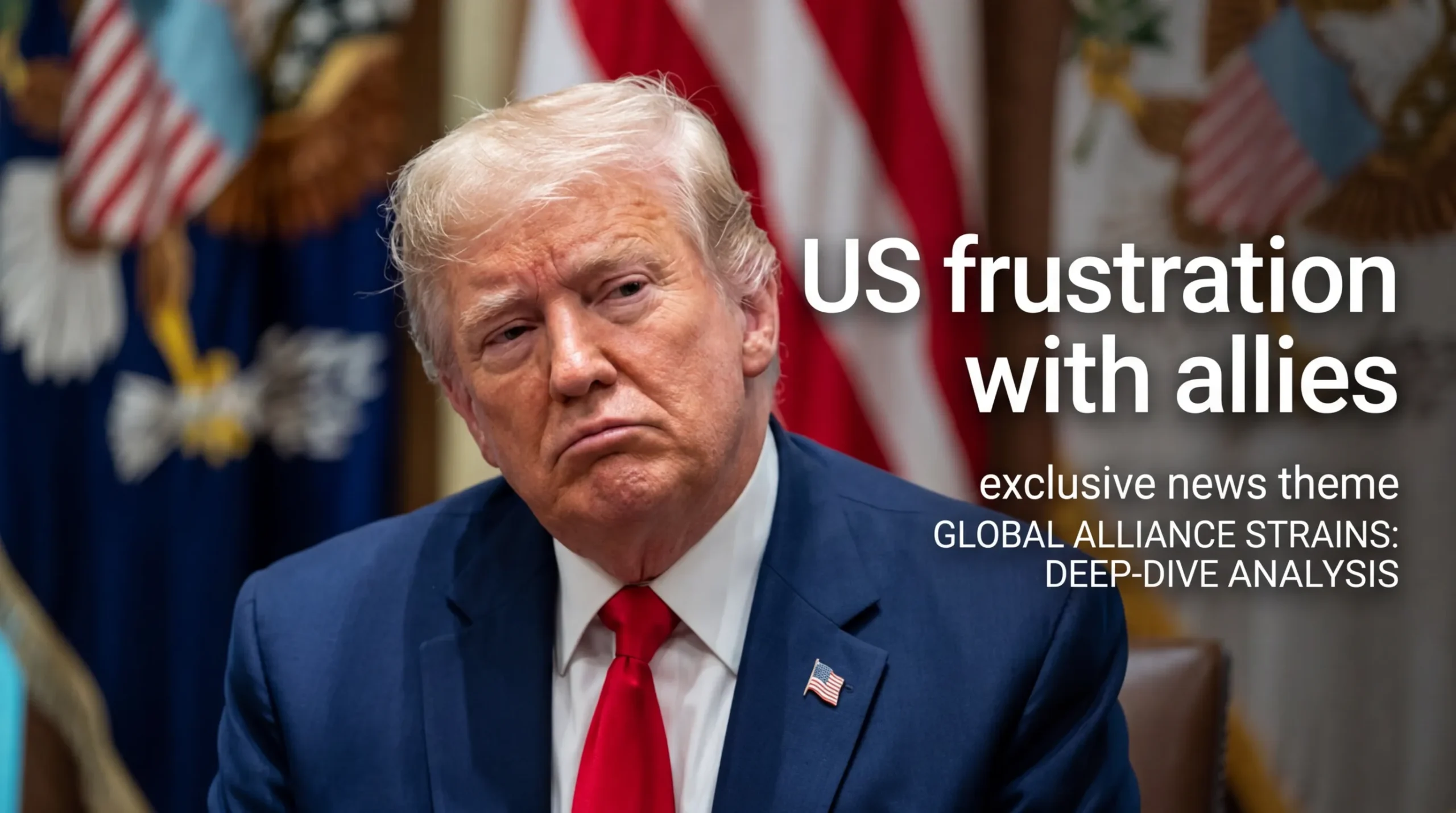
US frustration with allies, The United States has recently intensified its criticism of allied nations over what it sees as an imbalance in military cooperation. As tensions with Iran rise, Washington openly questions why it consistently supports its allies in times of conflict, yet receives limited backing when facing direct threats. This issue has sparked renewed debate about the true strength and reliability of global alliances.
A Pattern of Active US Involvement
For decades, the United States has taken a leading role in international conflicts. It deploys troops, provides advanced weaponry, and leads diplomatic initiatives across regions such as the Middle East and Europe. Through these actions, Washington strengthens alliances and reinforces its global influence. However, this active role also creates expectations both from the US and its partners. US frustration with allies.
At the same time, American leaders now emphasize a critical concern: the imbalance in shared responsibility. While allies often depend on US power during crises, they hesitate when risks escalate, particularly in confrontations involving Iran.
Allies Choose Caution Over Confrontation
Many US allies carefully calculate their involvement in conflicts, especially those that could trigger broader regional instability. Countries in the Middle East, for example, face direct security risks and must consider domestic stability before taking action. As a result, they avoid direct confrontation with Iran and instead pursue diplomatic or neutral positions.
This cautious approach frustrates Washington. US officials expect stronger commitments from partners, especially after years of consistent military and strategic support. However, allies prioritize national interests, which often leads them to limit their participation.
Strategic Gaps Create Tension
Differences in strategy further complicate cooperation. The United States often acts quickly and decisively, while its allies prefer gradual and calculated responses. This contrast creates gaps in coordination and weakens unified action.
Moreover, uncertainty surrounding US plans sometimes raises concerns among partner nations. When allies lack clear communication, they hesitate to fully commit. Consequently, trust becomes harder to maintain, and collaboration loses effectiveness.
A Shift Toward Independent Decision-Making
Global dynamics continue to evolve, and alliances no longer operate under a single dominant power. Many countries now adopt more independent foreign policies, balancing relationships with multiple global players. This shift reduces automatic alignment with US strategies, especially in high-risk conflicts.
In this environment, alliances transform into flexible partnerships rather than rigid commitments. Nations cooperate when interests align, but step back when risks outweigh potential gains.
Conclusion: Rethinking Alliance Expectations
The United States now faces a crucial moment in redefining its global relationships. Instead of expecting unconditional support, it must adapt to a world where allies act based on their own priorities. Stronger communication, mutual understanding, and shared decision-making can help rebuild trust.