Iran vs United States: The Hidden Strength of Tehran’s Elite Forces
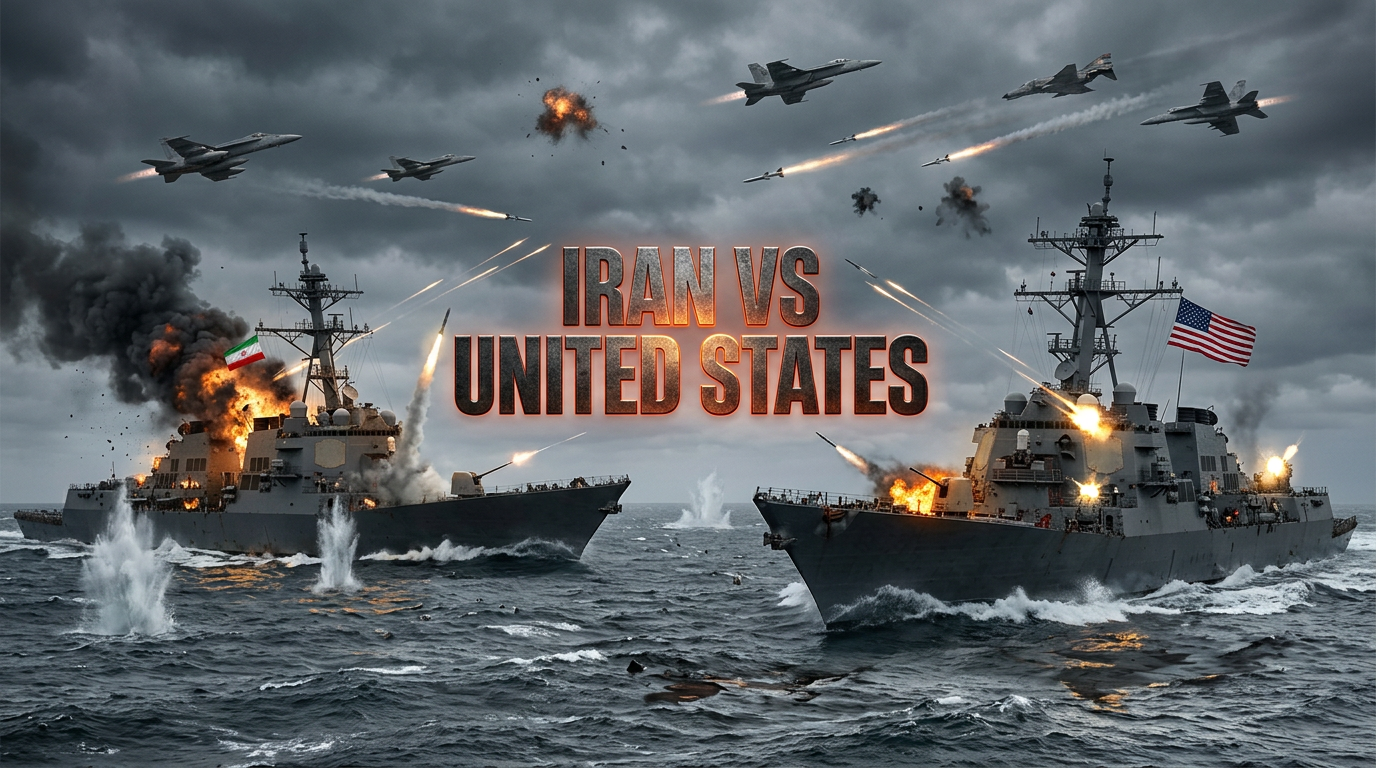
Iran vs United States, Tensions between the United States and Iran continue to rise, drawing global attention. Military signals from both sides show clear readiness, and analysts now question how Iran would respond if conflict escalates. At the center of this discussion lies a critical question: does Iran possess elite forces capable of challenging U.S. military power?
To understand the answer, we must first look at Iran’s unique military structure. Unlike many countries, Iran operates two primary forces: the regular army and the Islamic Revolutionary Guard Corps (IRGC). Leaders designed the IRGC not only to defend the nation but also to protect the country’s ideological foundation. Within this organization, Iran concentrates its most capable and strategic units.
The Power Behind Iran’s Elite Forces
Iran relies heavily on one specialized unit known as the Quds Force. This elite division carries out high-level missions beyond Iran’s borders. Instead of focusing solely on conventional combat, the Quds Force conducts intelligence operations, builds alliances, and supports partner groups across the Middle East.
Moreover, this unit plays a central role in shaping Iran’s unconventional warfare strategy. Rather than confronting powerful enemies head-on, Iran uses indirect methods to expand influence and apply pressure. Through coordinated support for allied groups, Iran extends its reach without deploying large conventional forces.
A Strategy Built on Asymmetry
Iran does not compete directly with the United States in terms of advanced weapon systems or global military presence. Instead, it builds strength through asymmetric tactics. This approach allows Iran to operate in flexible, unpredictable ways that challenge traditional military responses.
For example, Iran strengthens relationships with regional partners and positions them strategically. These alliances enable Iran to influence multiple areas at once, creating complex challenges for any opponent. As a result, Iran maintains leverage even without matching the full scale of U.S. military capabilities.
Challenges Iran Cannot Ignore
Despite these strengths, Iran faces significant obstacles. Ongoing regional tensions and targeted strikes have weakened parts of its military infrastructure. Damage to key facilities, including drone and missile systems, has reduced some of its operational capacity.
In addition, economic pressure and international sanctions continue to limit Iran’s ability to modernize its military. These factors force Iran to rely even more on strategy, coordination, and adaptability rather than sheer force.
Can Iran’s Elite Forces Stand Against the U.S.?
Iran’s elite forces bring experience, discipline, and strategic depth. However, the United States maintains a clear advantage in technology, air superiority, and global logistics. Iran understands this gap and avoids direct large-scale confrontation whenever possible.
Instead, Iran focuses on long-term strategies that emphasize endurance and regional influence. Its elite units, especially the Quds Force, serve as key instruments in executing these plans. They allow Iran to remain relevant and resilient in a highly competitive geopolitical landscape.
Final Thoughts
Iran does possess elite forces that play a crucial role in its defense strategy. These units do not rely on overwhelming firepower but on precision, intelligence, and indirect engagement. While they may not overpower the United States in a conventional war, they ensure that Iran remains a formidable and unpredictable actor on the global stage.