US Economist Warns: UAE Risks Aligning with US-Israel, Dubai Faces Collapse If War Escalates
UAE US Israel alliance risk, Rising geopolitical tensions in the Middle East have placed the United Arab Emirates (UAE) under intense scrutiny. A US economist has issued a strong warning, arguing that the UAE made a risky move by strengthening ties with the United States and Israel. He stresses that Dubai could suffer severe economic consequences if the country becomes involved in a regional conflict.
High-Risk Strategic Alignment
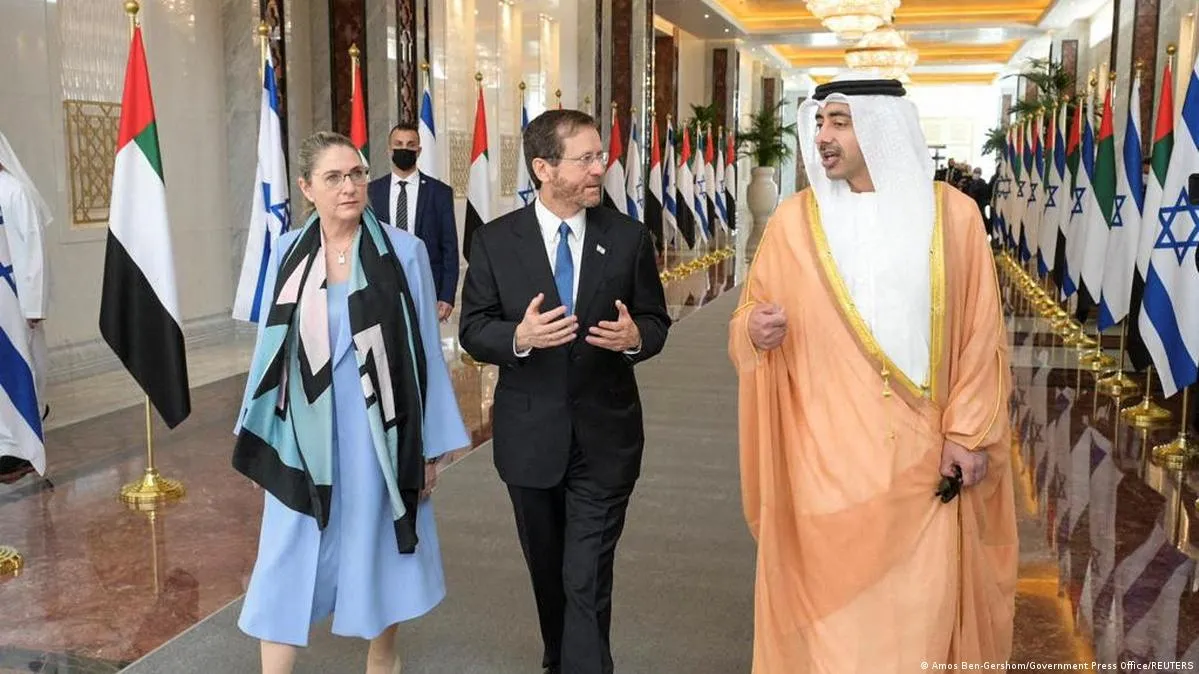
In recent years, the UAE actively pursued normalization with Israel through diplomatic agreements. This decision created new opportunities in investment, technology collaboration, and economic expansion. At the same time, it increased regional tension and drew criticism from opposing states.
The economist argues that the UAE’s alignment with the US-Israel bloc heightens geopolitical risks. This position could provoke hostile reactions from rival countries and place the UAE in a vulnerable position during any escalation. As a result, the country could face direct or indirect threats that disrupt its stability.
Dubai: A Vulnerable Global Hub
Dubai thrives as a global center for business, tourism, and finance. The city depends heavily on regional stability to attract foreign investment and sustain economic growth. Any involvement in military conflict would immediately threaten this foundation.
War would trigger capital flight as investors seek safer markets. Tourism would decline sharply, and trade activities would slow down. In addition, Dubai could lose its reputation as a safe and stable destination, which has driven its rapid growth over the years.
Broader Economic Consequences
The impact would not stop in Dubai. The entire UAE economy would feel the pressure. Key sectors such as energy, logistics, and real estate would face significant challenges. The government would need to increase security spending while dealing with declining revenues.
Moreover, regional conflict often disrupts global markets and creates uncertainty. While oil prices might rise temporarily, long-term instability would hinder sustainable growth. Businesses tend to delay expansion plans in uncertain environments, which further slows economic momentum.
A Difficult Strategic Choice
The UAE now faces a complex decision. On one hand, it seeks to maintain strong relationships with powerful allies like the United States and Israel. On the other hand, it must protect its domestic stability and economic resilience.
Leaders must weigh the benefits of strategic alliances against the potential risks. Careful decision-making will determine whether the UAE can navigate this challenging geopolitical landscape without damaging its economic future.
Conclusion
The US economist’s warning highlights the serious consequences of geopolitical decisions. Strategic alliances can offer short-term advantages but also create long-term risks. Dubai economic risk war.