Iran Warns Neighboring Countries Not to Allow Enemy Operations from Their Territory
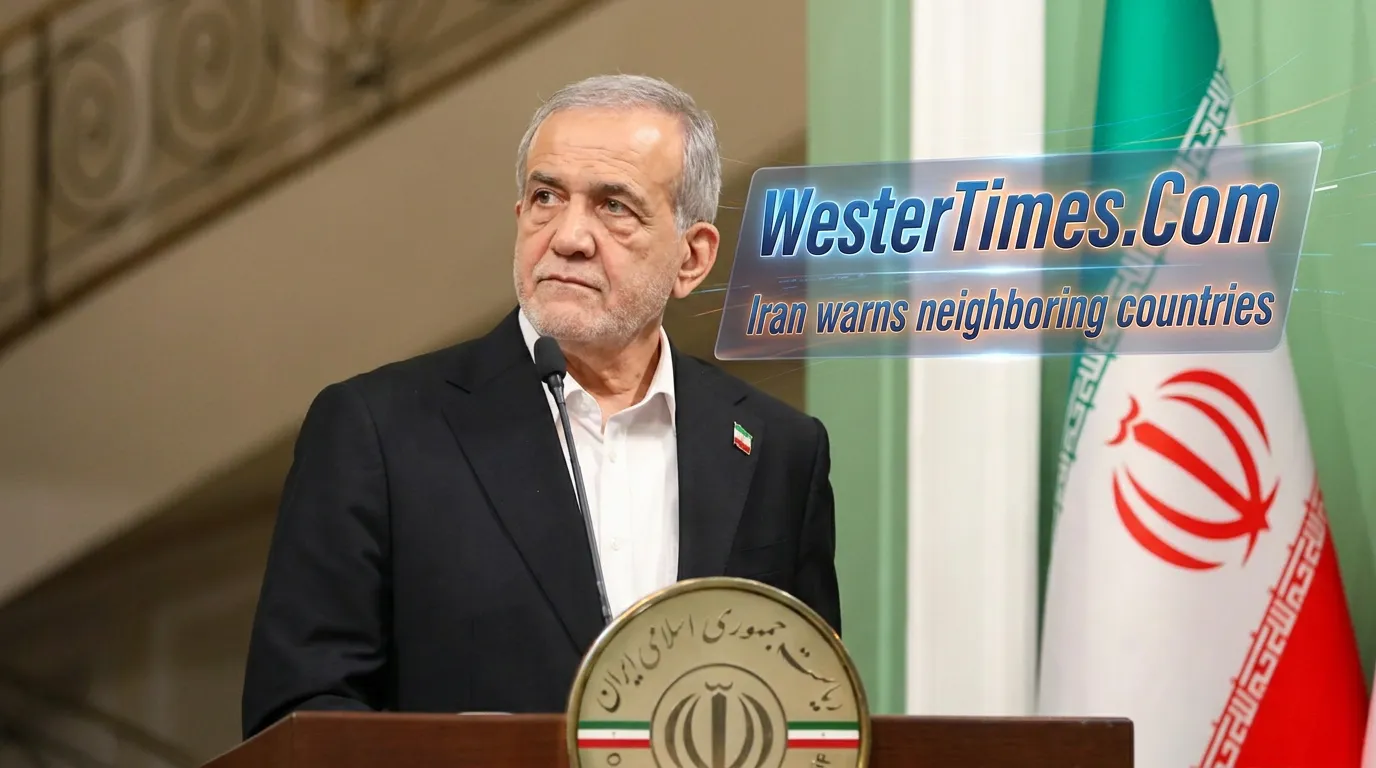
Iran warns neighboring countries, Tensions in the Middle East continue to rise as Iran delivers a firm warning to neighboring countries. The government in Tehran urges regional states to prevent any hostile forces from using their land, airspace, or waters as operational bases. This statement signals a stronger and more proactive stance amid ongoing friction with United States and Israel.
Iran pushes a clear message: regional stability depends on collective responsibility. Neighboring countries must act decisively and block any attempt by external forces to launch attacks from their territory.
Iran Strengthens Its Defensive Posture
Iran reinforces its commitment to national security by setting clear boundaries. Officials openly state that any cooperation with hostile actors will trigger direct consequences. Instead of waiting, Iran prepares to respond quickly and precisely to any threat.
Moreover, Iranian authorities highlight intelligence findings that reveal potential plans by adversaries to exploit nearby territories. In response, Iran signals readiness to target strategic assets linked to such operations. This approach reflects a shift toward rapid action rather than reactive defense.
At the same time, Iran maintains control over its narrative. Leaders emphasize sovereignty and deterrence, ensuring that any adversary understands the risks of indirect aggression.
Diplomatic Balance with Regional Pressure
While Iran adopts a firm tone, it continues to engage in diplomatic communication with neighboring countries. Officials encourage cooperation and transparency, aiming to reduce misunderstandings and prevent escalation.
Iran clarifies that its warnings do not target governments or civilians. Instead, it focuses strictly on hostile elements that attempt to operate within foreign territories. This distinction allows Iran to maintain diplomatic ties while still asserting its red lines.
Consequently, regional governments now face increasing pressure. They must strengthen border control, monitor foreign activities, and avoid involvement in broader geopolitical conflicts.
Impact on Regional Security and Global Economy
The rising tension creates ripple effects beyond the Middle East. Strategic routes such as the Strait of Hormuz remain highly sensitive. Any disruption in this area can immediately affect global oil supply chains.
As a result, energy markets show volatility, and international trade faces uncertainty. Businesses, investors, and governments closely monitor developments, anticipating potential disruptions.
In addition, military alert levels increase across multiple countries. Governments adopt precautionary measures to protect infrastructure and citizens from possible spillover effects.
A Critical Moment for Regional Stability
Iran’s warning marks a pivotal moment in regional geopolitics. The country asserts its right to defend itself while urging neighbors to stay neutral and responsible. This situation demands careful decision-making from all parties involved.
If regional actors choose cooperation, they can reduce tension and maintain stability. However, any miscalculation could escalate the conflict and widen its impact globally.
Conclusion
Iran delivers a strong and active message to neighboring countries: prevent hostile operations or face consequences. This approach combines strategic deterrence with diplomatic engagement, shaping the future of Middle Eastern geopolitics.