Gaza Humanitarian Crisis: A Growing Emergency That Demands Global Action
The humanitarian crisis Gaza, has reached a critical point, evolving into one of the most severe emergencies in the modern Middle East. Millions of civilians are struggling to survive amid destroyed infrastructure, limited access to clean water, food shortages, collapsing healthcare systems, and ongoing security instability. While international attention continues to rise, the reality on the ground shows that urgent, coordinated action remains essential.
As the situation unfolds, Gaza stands at a crossroads between humanitarian collapse and potential recovery. Understanding the timeline, current conditions, and available solutions is crucial to addressing this ongoing tragedy.
Timeline of the Gaza Humanitarian Crisis
The humanitarian emergency did not emerge overnight. Instead, it has developed through a series of escalating events that continue to shape daily life in the region.
| Period | Key Developments |
|---|---|
| October 2023 | Major escalation of conflict causing mass displacement |
| 2024 | Severe infrastructure damage and shortages of medical supplies |
| Mid 2025 | Limited humanitarian corridors opened, aid remains restricted |
| Early 2026 | Partial ceasefire attempts but humanitarian needs remain critical |
Each phase added new layers of suffering, leaving civilians increasingly vulnerable and dependent on external assistance.
Current Situation in Gaza: On-the-Ground Reality
Despite humanitarian efforts, conditions remain extremely challenging. Families are forced to adapt to harsh realities that affect every aspect of daily life.
Current Conditions Overview
| Sector | Current Status |
|---|---|
| Food Security | High risk of hunger and malnutrition |
| Water Supply | Limited access to clean drinking water |
| Healthcare | Hospitals overwhelmed and under-equipped |
| Shelter | Widespread displacement and damaged housing |
| Education | Many schools remain closed or damaged |
In addition, winter conditions have worsened living standards, especially for displaced families living in temporary shelters. Many households rely entirely on humanitarian aid for basic survival.
Human Impact: More Than Just Numbers
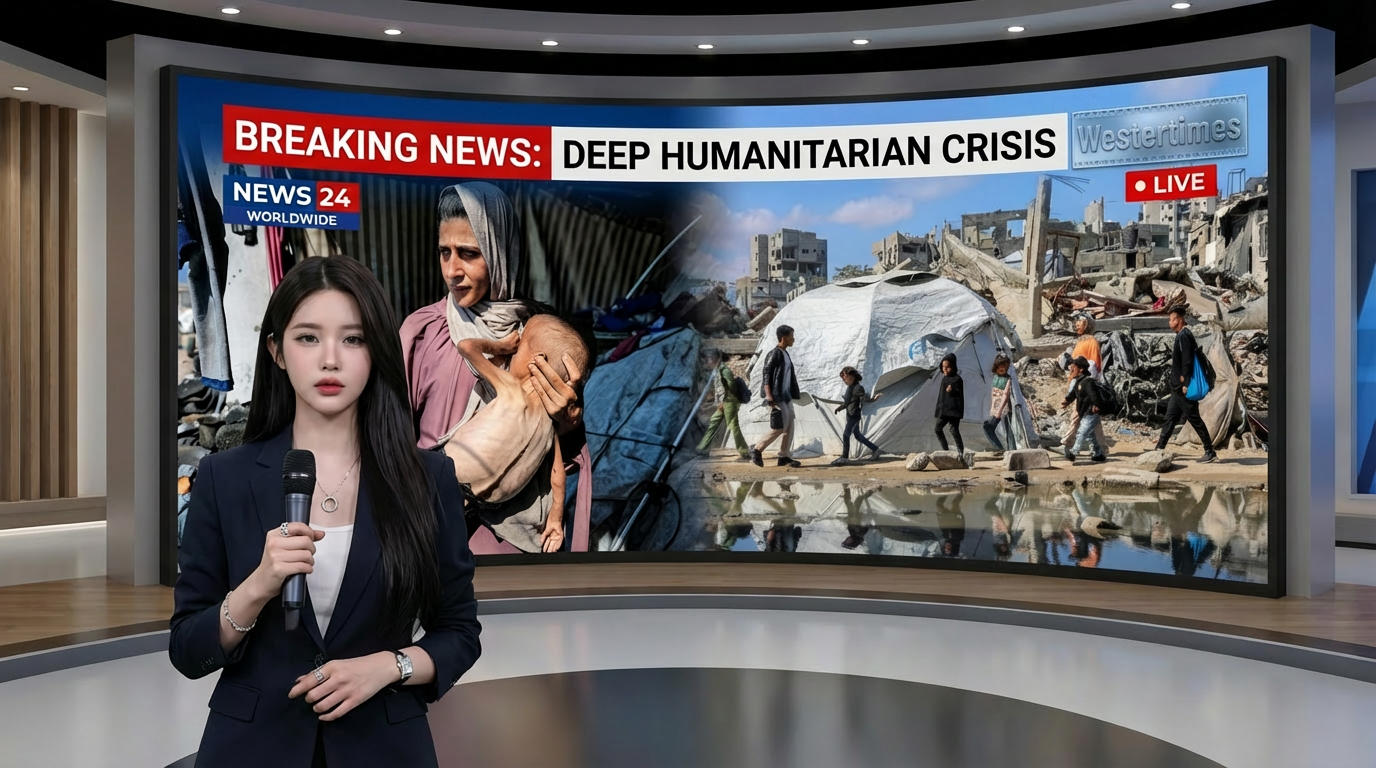
Beyond statistics, the crisis deeply affects individual lives. Children face interrupted education and trauma, families are separated by displacement, and elderly residents struggle to access medical care. Mental health challenges are rising rapidly as prolonged stress, fear, and uncertainty take their toll.
Moreover, local communities that once thrived through trade and tourism now face economic paralysis. Small businesses have collapsed, unemployment has surged, and household incomes have dropped sharply. As a result, economic hardship further intensifies humanitarian vulnerability. Gaza civilian crisis.
International Response and Aid Challenges
Although humanitarian organizations continue delivering assistance, multiple obstacles limit the effectiveness of relief operations. Border restrictions, security concerns, and logistical bottlenecks slow the delivery of essential supplies such as medicine, fuel, and food.
Furthermore, aid agencies report that short-term emergency assistance is not enough. Gaza requires long-term recovery strategies focused on rebuilding infrastructure, restoring healthcare capacity, and creating sustainable economic opportunities.
Government and International Solutions Being Proposed
To stabilize Gaza and prevent further deterioration, governments and international institutions are pushing forward several key strategies:
- Expand Humanitarian Corridors
Increase secure access routes to allow uninterrupted delivery of food, medical supplies, and fuel. - Rebuild Critical Infrastructure
Prioritize restoration of water systems, electricity networks, hospitals, and housing. - Strengthen Healthcare Capacity
Deploy mobile medical units, increase emergency staffing, and provide advanced equipment. - Support Child Protection Programs
Establish safe spaces, trauma counseling, and educational recovery initiatives for children. - Promote Diplomatic Negotiations
Encourage sustained ceasefire agreements and long-term political dialogue to reduce conflict recurrence. - Boost Economic Recovery Programs
Create employment initiatives and support small businesses to restore local livelihoods.
These combined efforts aim to transition Gaza from emergency response toward long-term stability and resilience.
Why Immediate Action Matters
Every delay in humanitarian support has direct consequences. Without adequate aid, malnutrition rates increase, disease spreads more easily, and vulnerable populations face worsening living conditions. Early intervention not only saves lives but also reduces the long-term costs of reconstruction and social recovery.
Additionally, global cooperation plays a vital role. The Gaza crisis is not only a regional issue — it represents a global humanitarian responsibility that demands solidarity, funding commitments, and diplomatic engagement.
Conclusion: A Call for Sustained Global Commitment
The humanitarian crisis in Gaza represents a defining challenge for the international community. While emergency aid has provided short-term relief, long-lasting solutions require coordinated political action, infrastructure rebuilding, and economic recovery programs. international aid for Gaza.