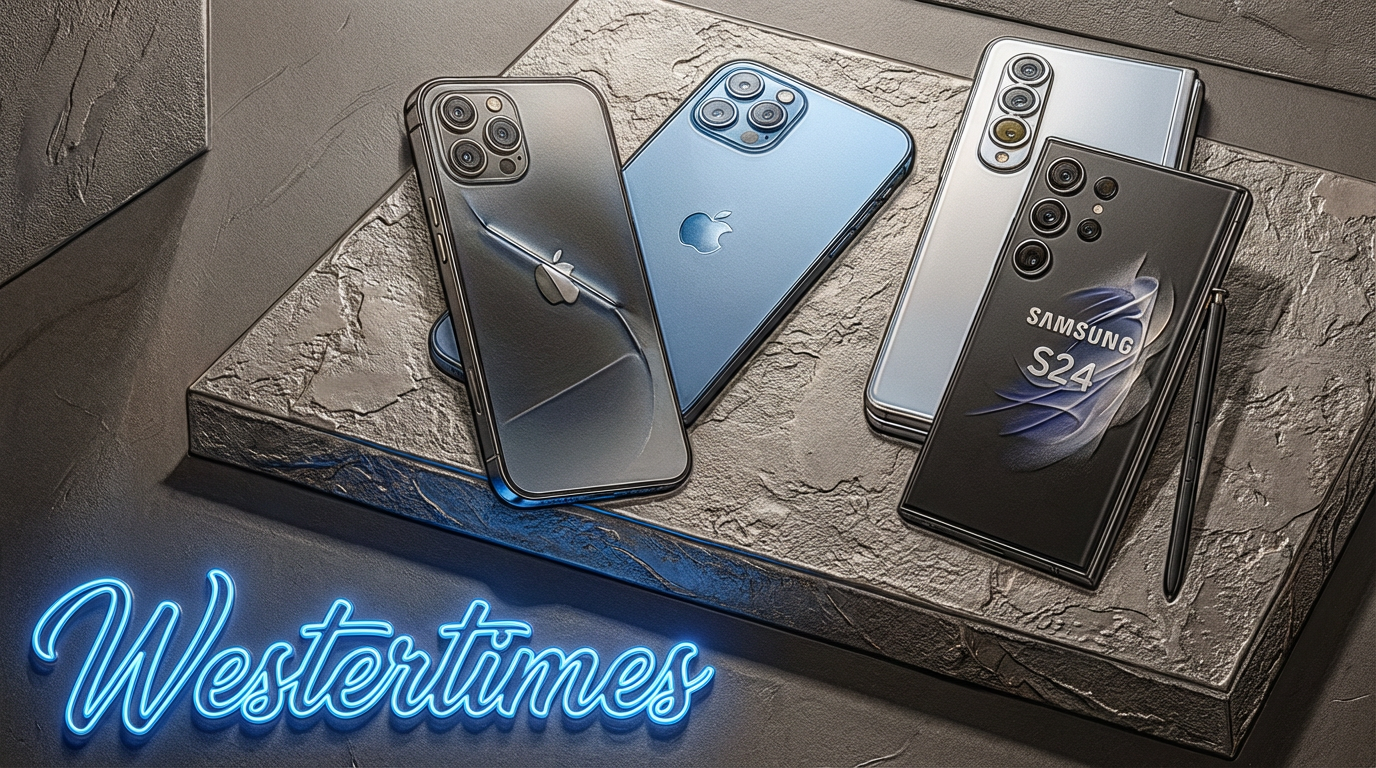
Samsung and Apple: Latest Global Comparison 2026
The rivalry between Samsung and Apple, remains one of the hottest topics in the global smartphone market. In 2025–2026, this competition intensified as Apple overtook Samsung as the top smartphone brand worldwide for the first time in over a decade.
Both brands compete fiercely in hardware innovation, camera quality, operating systems, and pricing. Consumers now carefully compare features, ecosystems, and value to determine which device offers the best experience. This article provides a comprehensive comparison of the latest flagship models from Samsung and iPhone, including specifications, advantages, disadvantages, and market prices.
Key Specifications (Comparison Table)
| Feature / Model | Samsung Galaxy S25 Ultra | iPhone 16 Pro Max |
| Operating System | Android One UI | iOS |
| Chipset | Snapdragon 8 Gen 4 / Exynos 2500 | Apple A18 Pro |
| RAM | 12 GB | 8–12 GB |
| Storage | 256GB – 1TB | 256GB – 1TB |
| Display | 6.8″ Dynamic AMOLED 2X, 1–120Hz | 6.7″ OLED, 120Hz |
| Battery | ~5000 mAh | ~4422 mAh |
| Fast Charging | 45W | 20W |
| Main Camera | Multi sensor 200MP | 48MP |
| OS Updates | Up to 7 years | Up to 5–6 years |
The table highlights that both flagships have their strengths. Samsung leads in battery, fast charging, and display, while iPhone excels in system optimization and processor performance.
Advantages of Samsung vs iPhone
| Criteria | Samsung Galaxy Series | iPhone Series |
| Hardware Innovation | Adopts the latest features faster, including WiFi 7, large batteries, and fast charging | Strong single-core processor performance and stability for iOS applications |
| Display & Visuals | Dynamic AMOLED panel with adaptive refresh rate excels outdoors | OLED screen delivers highly accurate colors and consistent display across Apple content |
| Software Support | Offers up to 7 years of updates | Seamless updates for 5–6 years |
| Additional Features | Superior fast charging, reverse charging, foldable options | Apple ecosystem integration is seamless |
| Camera & Photography | High zoom and multiple sensors for versatile photography | Consistently produces natural, stable, and high-quality images |
Samsung offers more flexibility and hardware options, while iPhone delivers a smooth, integrated ecosystem experience.
Disadvantages of Samsung vs iPhone
| Aspect | Samsung | iPhone |
| Flagship Price | Some models, especially foldables, cost more than Apple | High price with limited fast charging options |
| System Optimization | Android apps may not always run as smoothly as iOS | iOS is less customizable than Android |
| Size & Weight | Some models are bulky and heavy | Battery capacity smaller than comparable Android devices |
Choosing the best device depends on priorities like camera performance, pocket-friendly design, or overall ecosystem.
Current Market Prices (Popular Models)
| Model | Approx. Market Price (USD) |
| Samsung Galaxy S25 | ~$799 |
| Samsung Galaxy S25 Ultra | ~$1,299 |
| Samsung Galaxy Z Fold 6 | ~$1,699 |
| iPhone 16 | ~$799 |
| iPhone 16 Pro | ~$999 |
| iPhone 16 Pro Max | ~$1,199 |
Prices vary by country, storage options, and promotional deals from official stores or resellers.
Latest Market Trends
Recently, Apple announced that iPhone became the top-selling smartphone globally in 2025, surpassing Samsung in shipment numbers. Apple holds about 20% of the global market, while Samsung follows with around 18%.
This trend shows that although Samsung remains strong, iPhone momentum continues to grow, especially with the iPhone 16 and 17 series popular in Japan, India, and Southeast Asia.
Which One Should You Choose?
When choosing between Samsung and iPhone, consider:
Ecosystem and device integration – iPhone excels for users already using multiple Apple products.
Hardware features and customization – Samsung offers more options, including foldables and larger batteries.
Long-term value – Samsung now provides competitive software support.
Conclusion
The competition between Samsung and iPhone remains fierce in 2026. Apple leads global market share, but Samsung stays relevant with innovative hardware and premium features. The best choice depends on personal priorities, whether you prefer a smooth ecosystem, cutting-edge hardware, or overall long-term value.