South Korea to Join Military Talks on Strait of Hormuz Blockade
South Korea Strait of Hormuz military talks, In an era marked by dramatic geopolitical shifts, **South Korea’s decision to participate in an international military meeting on the Strait of Hormuz blockade marks a pivotal turn in Seoul’s foreign policy and regional security engagement. With energy routes under threat and global markets watching closely, the move puts Seoul in sharper focus on the world stage.South Korea Strait of Hormuz military talks
Understanding the Strait of Hormuz Crisis
The Strait of Hormuz handles approximately 20% of global seaborne oil trade. In 2026, Iran halted shipping through the strait in retaliation to escalating conflict with the United States and Israel. This closure sent shockwaves through global energy markets and prompted widespread diplomatic and military consultations worldwide.
Why South Korea Matters
South Korea depends heavily on the Strait of Hormuz for its crude oil and liquefied natural gas (LNG) imports from the Middle East. Any disruption directly affects domestic energy security and industrial output.
Despite these high stakes, Seoul carefully balances economic interests, diplomatic relations with Iran, and alliance commitments with Western partners such as the United States. By joining the upcoming meeting, South Korea demonstrates this delicate balancing act.
The International Military Meeting
The military meeting gathers a coalition of nations concerned about the blockade’s impact on global trade and regional stability. More than 20 countries plan to secure the strait, and South Korea participates as part of the international effort.
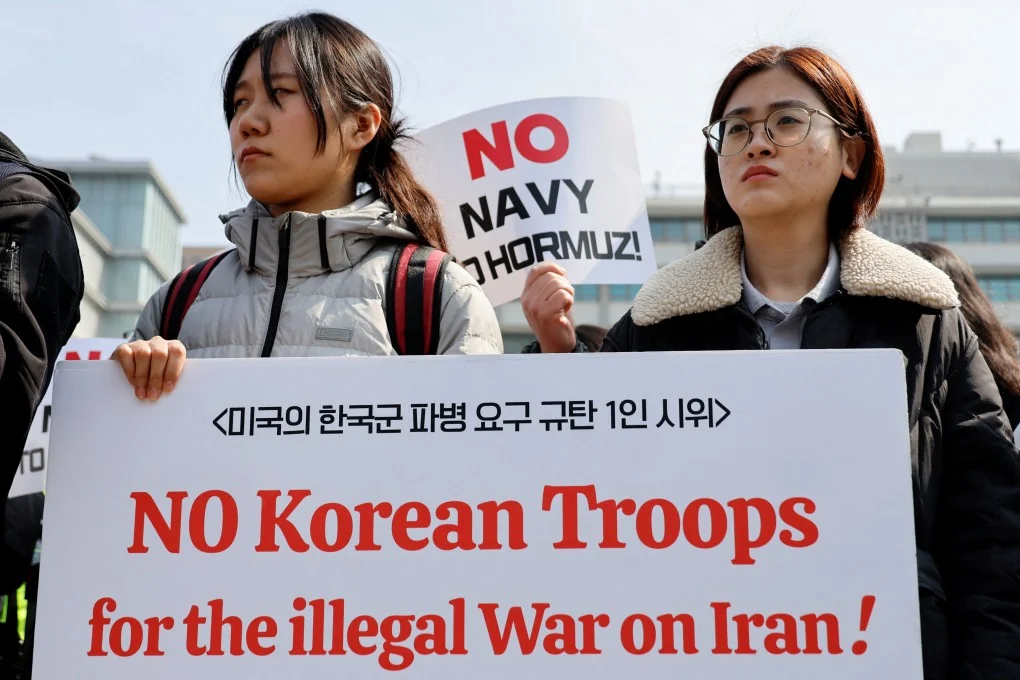
South Korea has not decided to deploy naval forces yet. Any deployment requires careful deliberation and parliamentary approval. Domestic debates in South Korea reflect mixed public opinion about sending military assets into a high-risk conflict zone.
Strategic and Economic Implications
Joining the military talks offers multiple advantages for South Korea. First, it shows Seoul’s commitment to international cooperation on security challenges with global reach. Second, it allows South Korea to voice its interests and concerns directly in shaping collective responses. Third, it positions Seoul as a proactive contributor rather than a passive observer in global maritime security efforts.
Energy markets remain volatile due to sustained tensions. Disruptions in the Hormuz passage trigger price spikes and supply anxieties. Continued escalation could extend economic ripples into East Asian markets.
Seoul’s Delicate Diplomatic Balancing Act
While joining the meeting places South Korea among key global stakeholders, it does not mean an outright military commitment. Tehran urges South Korea to avoid aligning directly with Western military pacts while portraying Seoul as non-hostile.
South Korea engages directly with Iranian officials to emphasize vessel safety through Hormuz, highlighting its dual approach: advocating secure passage and maintaining dialogue with Tehran.
Looking Ahead
As the international community works to reopen the Strait of Hormuz, South Korea’s engagement in military consultations reflects both its vulnerabilities and its responsibilities on the global stage. While the final outcomes remain uncertain, Seoul’s participation alone demonstrates the interconnected nature of security, economics, and diplomacy in a world where no nation stands alone. Strait of Hormuz military.