Russia in the Iran War: Calculated Moves from Oil to Drones
“Speed is essential, but rushing can be dangerous,” wrote Russian Marshal Prince Alexander Suvorov in The Science of Victory (1765). This tension between patience and timely action has long shaped Russian strategic thinking. Moscow often appears slow-moving, yet in practice it behaves like a deliberate predator, ready to act when conditions favor maximum gain.
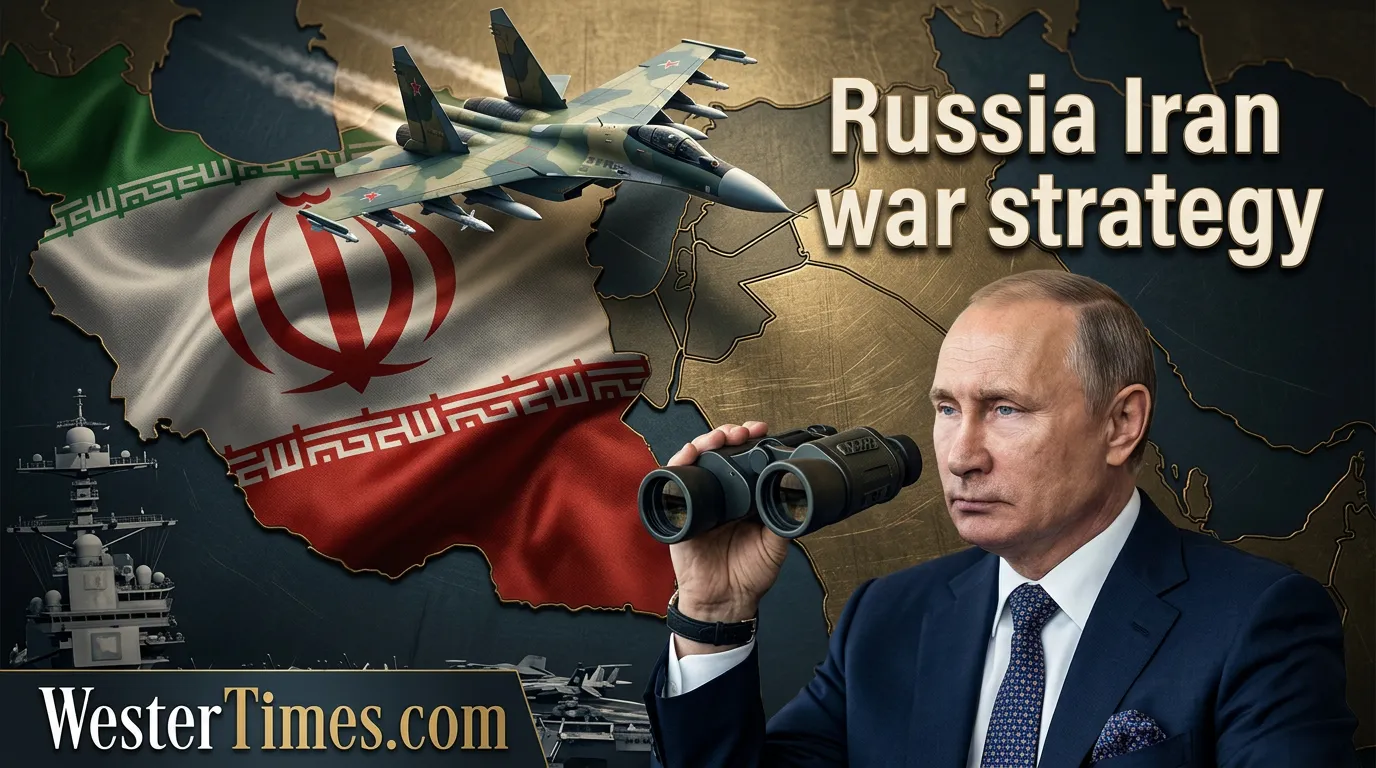
This instinct is evident in Russia’s conduct since the outbreak of the Iran conflict. Instead of fully committing or remaining completely neutral, Russia has carefully calibrated its involvement to gain advantages while minimizing exposure, conscious of the dangers of provoking Washington too far.
Maintaining Influence in Tehran Without Overcommitting
Russia’s handling of its relationship with Iran exemplifies this approach. Moscow has steadily offered diplomatic support, expanded military-technical cooperation, and strengthened economic ties, particularly among two heavily sanctioned states. This partnership, including collaboration in nuclear energy and defense industries, reflects shared interests rooted in resisting Western pressure.
However, Russian backing is deliberately limited. Moscow has avoided a formal defense obligation, allowing it to stay out of direct military confrontations with Israel or the United States. This is not indecision but intentional strategy. Iran remains valuable as a partner that complicates Western strategy, yet Russia avoids open-ended risks on Tehran’s behalf.
President Vladimir Putin aims to stay close enough to influence outcomes, yet distant enough to maintain strategic freedom. As Israeli-Iranian hostilities escalate, Moscow has publicly criticized attacks, engaged diplomatically, and likely provided discreet support such as intelligence sharing. Russian forces have not been deployed, no air defenses activated on Iran’s behalf, and Moscow has refrained from challenging US or Israeli operations directly.
At the same time, Russia has preserved channels with Israel and maintained a limited presence in Syria to protect its assets. The result is a careful balance: visible alignment without direct exposure, enough to retain influence but not enough to become a belligerent.
Reports suggest Russia may supply drones to Iran. If confirmed, this would mark a slight increase in Moscow’s willingness to take strategic risk, reflecting Iran’s continued resistance to US pressure. Yet such support remains modest and far below the scale of US military aid to Ukraine.
Low-Cost Signaling in the Western Hemisphere
A similar mindset guides Russia’s approach toward Cuba. As US pressure rises, Moscow has sent oil shipments framed as humanitarian aid and offered political backing. The goal is not to confront the US globally but to signal that Russia remains present wherever its interests exist.
This support is largely symbolic and reversible. Russian oil deliveries are small and intermittent, avoiding major economic or military commitments. Such gestures create friction for the US without destabilizing the regional balance, underscoring Moscow’s global reach.
Sending a Message to Washington
From a US perspective, Russia’s recent actions appear opportunistic, even provocative. Moscow simultaneously strengthens ties with Tehran, sustains oil flows to Cuba, and benefits from tighter energy markets. These moves challenge the notion that Russia can be isolated and assert its relevance across multiple regions.
By acting selectively, Russia demonstrates influence without provoking direct conflict. Each step reinforces a narrative of resilience and indispensability, particularly at a time when Washington is managing multiple crises—from Ukraine to the Middle East and the Indo-Pacific.
Tactical Advantages
Recent Middle East disruptions have strengthened Russia’s position in certain areas. Rising energy prices have boosted revenue from Russian crude, especially for buyers navigating around sanctions. The traditional Russian oil discount has narrowed or disappeared at times, temporarily improving Moscow’s fiscal position.
Yet these gains are tactical, not structural. Russia still faces technological constraints, labor shortages, and fiscal pressures linked to the war in Ukraine. Growth remains slow, and non-essential government spending continues to be curtailed to protect defense and strategic sectors.
Linking Middle East Leverage to Ukraine
Ultimately, these maneuvers feed into the Ukraine conflict. US policy under Donald Trump has prioritized transactional leverage, and Russia’s ability to maintain influence in energy markets and project strategic reach strengthens its relative position.
Some US measures to ease energy sanctions are designed to stabilize global markets, not support Putin. Still, the effect reinforces Russian economic resilience, while Ukraine may increasingly appear as a protracted challenge rather than a manageable partner. Higher energy prices and diverted political attention make Moscow’s argument for its durability more credible.
Russia’s approach to the Middle East can be summarized across three layers: spectator, beneficiary, and active player. By intervening only where benefits outweigh risks, Moscow maximizes its advantage without incurring costs proportional to its potential gains.