Iran Missile Strike Hits Israel: One Dead as Tensions Escalate
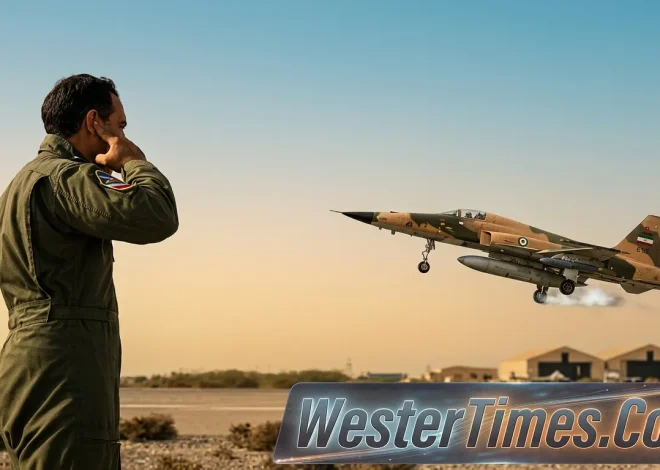
Iran missile strike on Israel, Iran launched a missile strike on Israel, triggering a new wave of tension across the Middle East. The attack caused casualties and heightened fears of a wider conflict. Authorities confirmed that one person died from the strike, while several others sustained injuries.
Iran Launches Missiles Toward Israeli Territory
Iran initiated the हमला by firing multiple missiles toward Israeli territory during the early hours of the day. Air raid sirens echoed across several cities, forcing residents to rush into shelters. The sudden escalation caught many civilians off guard and created panic in densely populated areas.
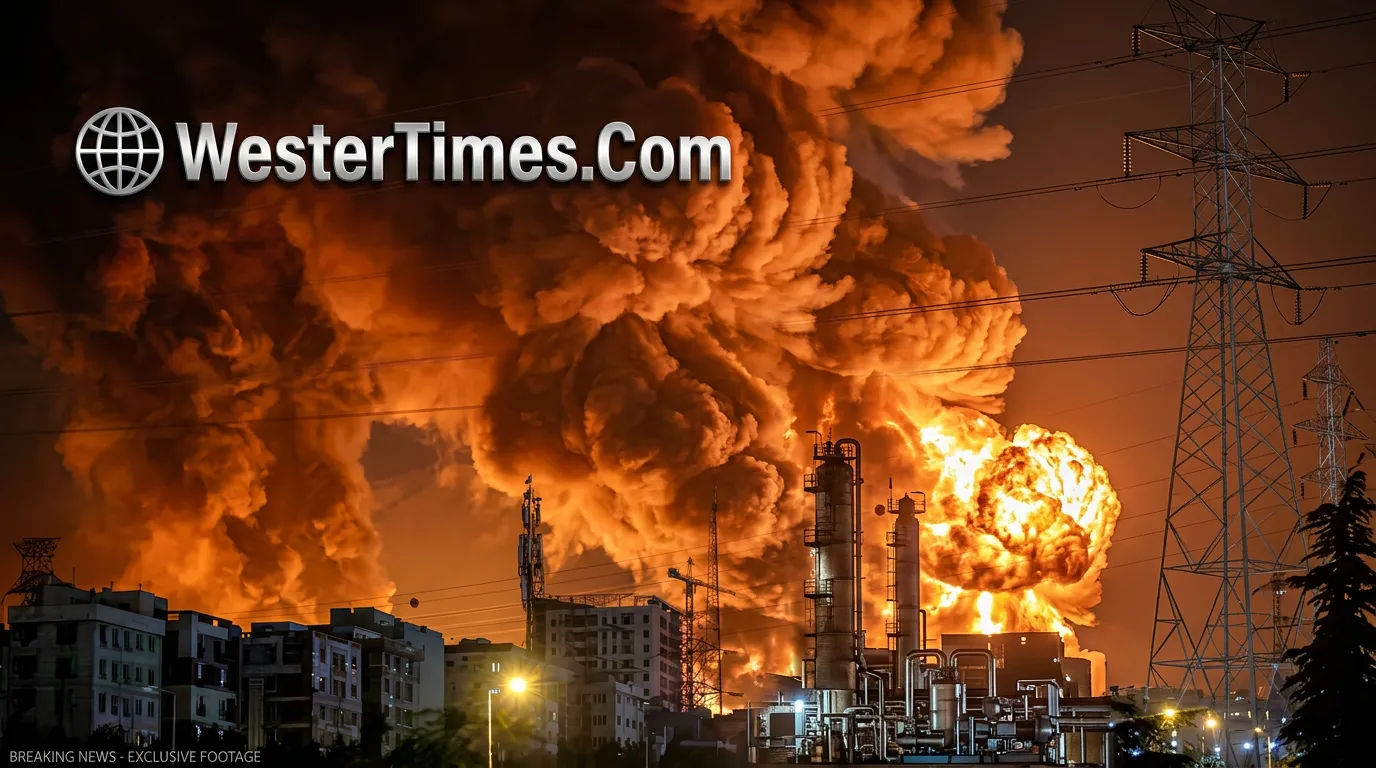
Israel activated its air defense systems immediately in response. Defense forces intercepted several incoming missiles; however, some projectiles broke through the shield and struck residential zones. Explosions rocked multiple locations, leaving visible destruction behind.
One missile impact in Tel Aviv caused the fatality. Emergency responders arrived quickly at the scene, but they could not save the victim. Meanwhile, medical teams treated dozens of injured civilians, some suffering from blast-related trauma.
Civilians Face Immediate Impact
The missile strike disrupted daily life and left a trail of damage across affected areas. Buildings collapsed, vehicles burned, and debris scattered across streets. Residents struggled to process the shock while seeking safety.
Emergency services mobilized rapidly and coordinated rescue operations. Paramedics transported injured individuals to nearby hospitals, where medical staff worked under pressure to stabilize patients. Authorities also urged citizens to remain alert and follow safety instructions as the threat persisted.
This attack highlighted the vulnerability of civilian areas during military conflict. Despite Israel’s advanced defense technology, the strike demonstrated that no system guarantees complete protection.
Rising Tensions Between Israel and Iran
This missile strike did not occur in isolation. Iran carried out the attack as part of a broader response to recent military actions involving Israel. Both sides continue to exchange threats and actions, which intensify the already fragile situation.
The international community has expressed concern over the rapid escalation. Several global leaders have called for restraint and urged both nations to avoid further military confrontation. Without intervention, the conflict risks expanding beyond current borders.
Recent patterns show an increase in frequency and intensity of attacks. Each new strike fuels uncertainty and raises the stakes for all parties involved.
Ongoing Threat and Uncertain Future
The possibility of additional attacks remains high. Iran may continue launching strikes to apply strategic pressure, while Israel strengthens its defensive and offensive readiness. This cycle creates a dangerous environment where tensions can spiral quickly. Iran attacks Israel missiles.
Civilians now live under constant threat, with sirens and emergency alerts shaping everyday life. Families stay prepared for sudden evacuations, and communities adapt to a new reality defined by uncertainty.