Japan Hidden Nuclear Capability Sparks Global Debate Over Military Balance
Rising Concerns Over Japan Nuclear Potential
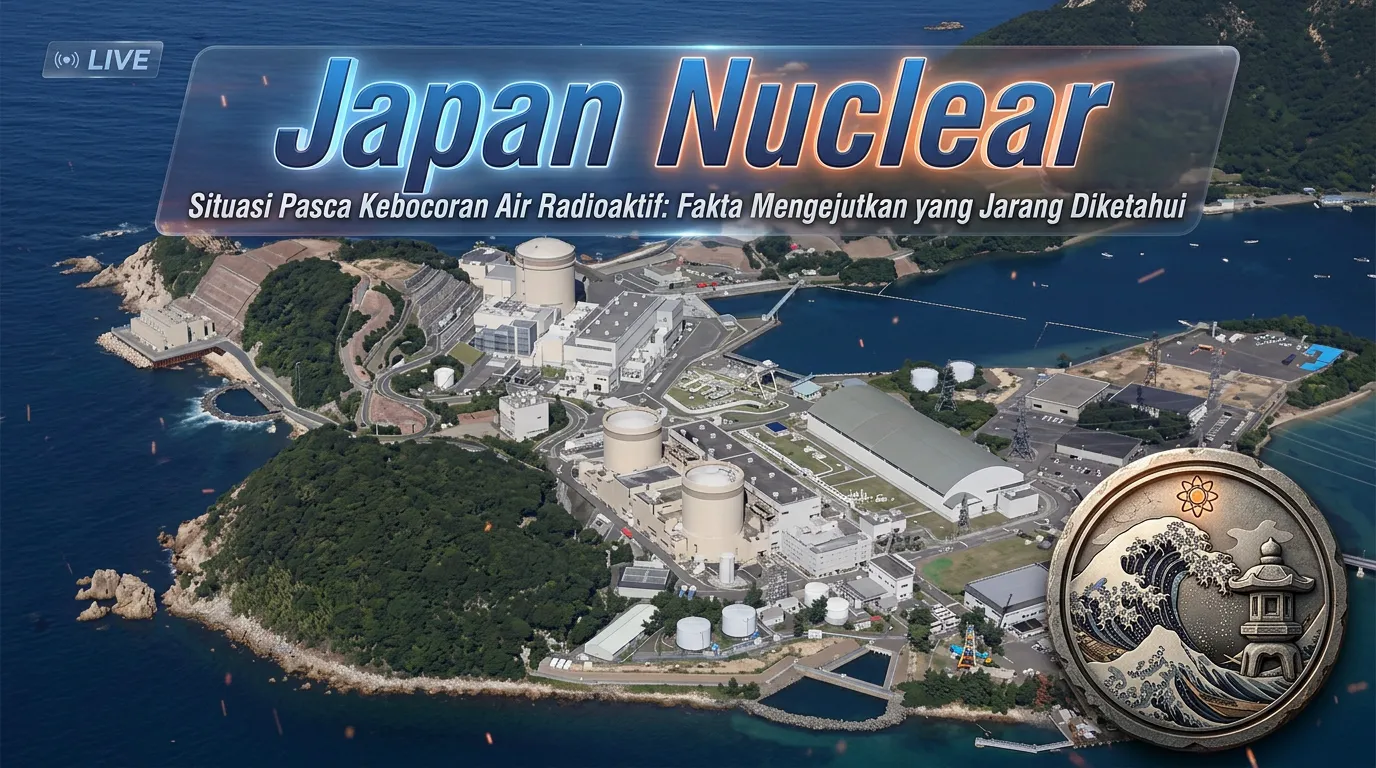
Japan Nuclear, Geopolitical tensions continue to evolve, and discussions about military strength have resurfaced with new intensity. Recently, Chinese military media highlighted Japan’s potential ability to produce thousands of nuclear weapons. This claim immediately drew global attention and sparked debates about power dynamics in Asia and beyond.
The report suggests that Japan could produce up to 5,500 nuclear bombs within a relatively short timeframe. This figure, if realized, would surpass the nuclear capabilities of major powers such as the United States and Russia. However, the report focuses on potential capacity rather than actual deployment, which remains a critical distinction.
Advanced Technology Supports Strategic Capability
Japan maintains one of the most advanced civilian nuclear programs in the world. This technological edge provides a strong foundation for nuclear development if the country ever decides to shift its policy. In addition, Japan holds a significant stockpile of plutonium, a key material used in nuclear weapons production.
Engineers and scientists in Japan continue to lead innovation in nuclear technology. With this level of expertise, the country could mobilize resources efficiently and accelerate weapons production if necessary. These factors explain why external observers continue to monitor Japan’s capabilities closely.
Policy Constraints Shape Japan’s Direction
Despite its technical strength, Japan actively upholds its non-nuclear principles. The country enforces a pacifist constitution that limits military expansion and prohibits the development of offensive capabilities such as nuclear weapons. Furthermore, Japan participates in international agreements that promote nuclear non-proliferation.
Leaders in Japan consistently emphasize peaceful development and regional stability. Public opinion also plays a major role, as citizens strongly associate nuclear weapons with historical tragedy. These internal and external constraints significantly reduce the likelihood of nuclear weaponization.
Strategic Messaging in Regional Politics
China’s report may also serve a broader strategic purpose. By emphasizing Japan’s potential nuclear capacity, China can influence regional security narratives and shape international perception. This type of messaging often appears in geopolitical competition, where information plays a key role in diplomacy and deterrence.
At the same time, such claims encourage neighboring countries to reassess their own defense strategies. Governments across Asia continue to evaluate risks and opportunities in response to shifting power balances.
Global Implications and Future Outlook
The international community must approach this issue with careful analysis. Nuclear capability, whether actual or potential, carries significant consequences for global security. Therefore, policymakers and analysts need to separate technical feasibility from political reality.