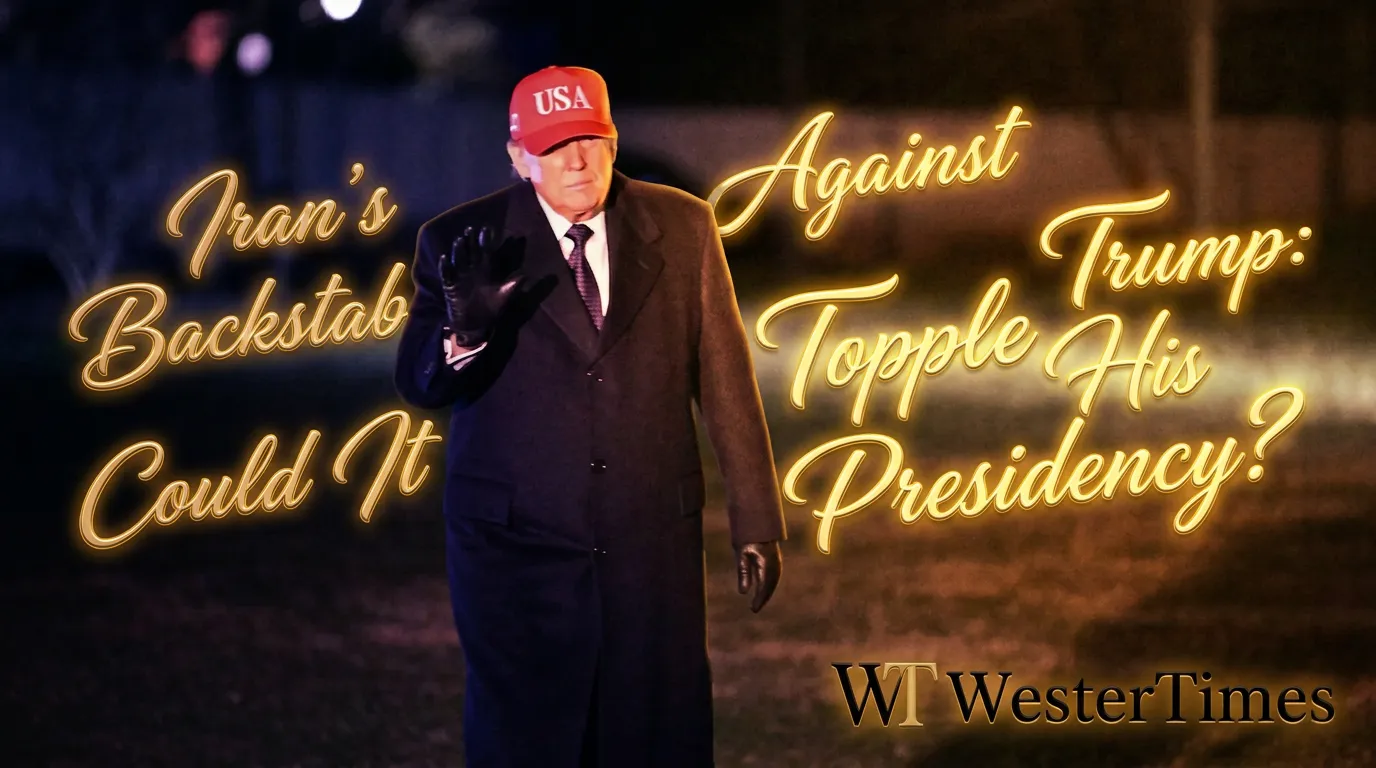
Iran’s Backstab Against Trump: Could It Topple His Presidency?
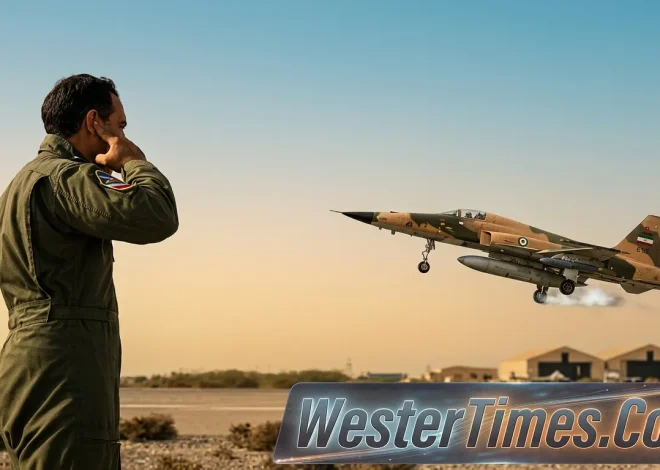
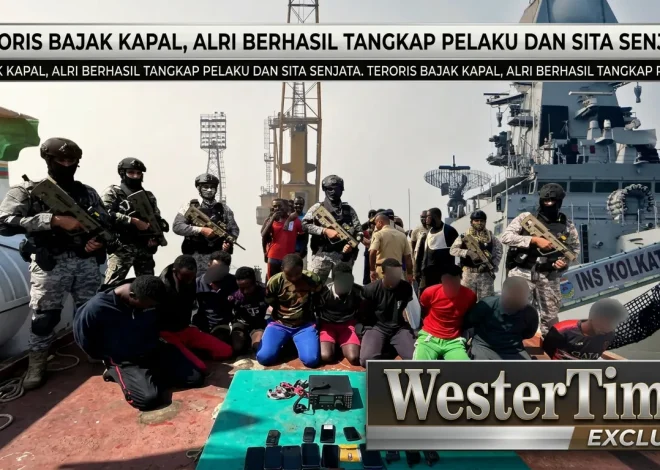
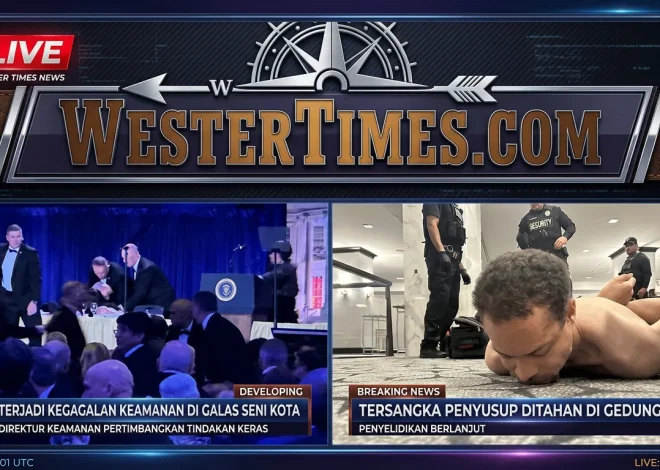
In recent days, the Middle East erupted into renewed conflict between the United States and Iran, raising dramatic political stakes for U.S. President Donald Trump. What started as regional tensions quickly escalated into a broader clash that now threatens more than geopolitical stability; it potentially jeopardizes Trump’s grip on the presidency and shapes his political future globally. Iran Trump conflict.
Rising Tension and Sudden Escalation
The conflict escalated after U.S. and Israeli forces conducted a series of strikes on Iranian targets that killed Ayatollah Ali Khamenei, the nation’s long-time supreme leader. Shortly after his death, Iran appointed his son Mojtaba Khamenei as successor, a decision that infuriated Trump and intensified the confrontation. Trump openly criticized Mojtaba’s appointment, branding him “unacceptable” and insisting he would not last long without U.S. approval.
While Trump claimed the conflict would conclude “very soon” and insisted U.S. forces held the upper hand, Iranian leaders rejected that assertion. They pledged continued military action and vowed to defend their territory, emphasizing their readiness to fight as long as needed.
Domestic Backlash: War Fatigue and Political Risk
Trump’s bold approach triggered a sharp domestic backlash. Rising oil prices sparked by the conflict hit American consumers hard and fueled frustration across political lines. Analysts warn such economic strain could undermine Trump’s support among key voter groups in the upcoming election cycle.
Republican advisers privately urged Trump to seek a diplomatic exit strategy, fearing prolonged war could drain political capital and weaken the party’s hold on Congress. As gasoline prices surged, public approval dipped, and critics accused Trump of misjudging both strategy and timing.
Iran’s Countermoves and Strategic Position
While Trump painted the conflict as near its end, Iran’s command refuted that notion and reported continued operations across the Gulf. Iranian officials clearly stated that previous diplomatic openings became moot once Washington pushed too hard. Rather than backing down, Tehran reinforced that escalation alone would not crush their will or operational capabilities.
Iranian leadership also argued that Trump’s aggressive rhetoric undermined diplomatic channels, blocking any viable path toward negotiated peace. Consecutively, Iran vowed to keep pressing military action and avoid de-escalation until U.S. forces genuinely withdrew or reduced their regional presence.
Global Impact and Broader Consequences
Beyond the U.S. domestic scene, the conflict rattled global markets and energy sectors. Oil shipments through the Strait of Hormuz, a crucial artery for global crude, faced serious disruptions, triggering volatility in prices and unsettling international partners. Trump tried allaying concerns by allowing some relaxation in oil sanctions to ease supply pressures, but caution remains widespread.
Globally, nations watched closely as the U.S.–Iran standoff developed. Statements from allies and adversaries alike spotlighted how fragile Middle East stability remains and how quickly bilateral tensions can produce worldwide economic shockwaves. Trump presidency risk.
Could This Conflict Cost Trump the Presidency?
Political analysts increasingly voice concern that tying a presidency to a war that drags on will erode public confidence. Voters historically resist prolonged conflicts that stretch resources and produce unclear endgames. As Trump pushes forward, opponents exploit war fatigue and economic grievances as ammunition for political campaigning.
Ultimately, Iran’s resilience and willingness to retaliate transformed what Trump hoped would be a swift strategic victory into a complex geopolitical quagmire. With global attention locked on this unfolding drama, one question looms large: Will this conflict destabilize Trump’s presidency and limit his political future? Only time will tell.