Global Conflict Impacts and the Philippines’ Four-Day Workweek to Save Fuel
Global Conflict Drives Energy Prices Higher
The ongoing war involving Iran, Israel, and the United States shakes global markets and everyday life worldwide. The fighting disrupts oil production and transportation in the Persian Gulf, pushing global crude prices higher. Gasoline and diesel costs rise in the United States, Europe, and Asia as energy supply tightens. fuel savings.
Rising Inflation and Business Challenges
Higher energy prices fuel inflation worldwide. Central banks, including the Bank of England, adjust interest rates to counter growing costs. Companies face rising expenses for raw materials and logistics. Many reduce production or delay projects as they navigate the uncertain economic environment.
The Philippines Faces Energy Pressure
Countries that import fuel, like the Philippines, feel the impact strongly. The nation relies on fossil fuels transported through the Strait of Hormuz, so rising global tensions directly raise domestic fuel prices.
Four-Day Workweek Saves Fuel and Costs
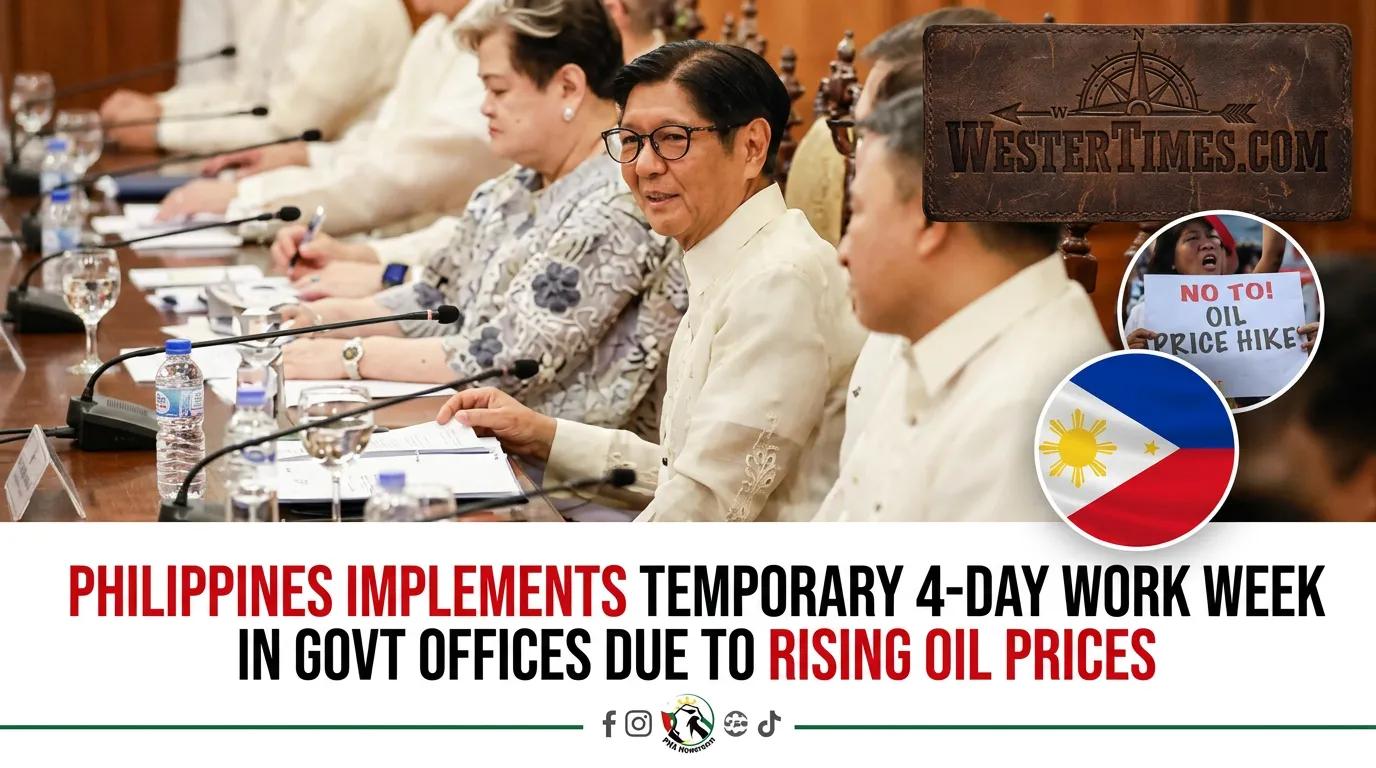
To respond quickly, President Ferdinand Marcos Jr. implements a Philippines four-day workweek, for government offices starting March 9. Agencies cut fuel and electricity use by 10–20 percent, limit non-essential travel, and move meetings online. Shorter workweeks reduce commuting and operational expenses, lowering the national energy burden.
Adaptive Policies for a Changing World
The four-day workweek shows how governments act creatively during global instability. International conflicts can trigger local solutions that save energy, reduce costs, and support social stability. The Philippines demonstrates that domestic policies can adapt quickly to worldwide events, benefiting both citizens and the economy. Philippines four-day workweek.