In Charts: Singapore’s Energy and Chemicals Sector Under Pressure as Middle East Conflict Escalates
Singapore energy and chemicals sector, The ongoing conflict in the Middle East has intensified volatility in global energy markets, drawing attention to Singapore’s energy and chemicals industry. As a nation highly dependent on imports, Singapore faces immediate challenges and strategic decisions to safeguard its energy security.
Singapore’s Dependence on Imported Energy
Singapore relies almost entirely on imported oil and liquefied natural gas (LNG). Gas accounts for approximately 95% of the country’s electricity generation. Any disruption along key shipping routes, such as the Strait of Hormuz, directly impacts energy supply and industrial operations. Companies must adapt quickly to maintain production and prevent shortages.
Surge in Global Energy Prices
Prices of oil and related products have climbed sharply as concerns over supply disruptions grow. Rising energy costs increase operational expenses for refineries and chemical producers. Industries that rely on consistent feedstock face immediate pressure to secure resources and maintain contracts with international partners.
Impact on Petrochemical Production
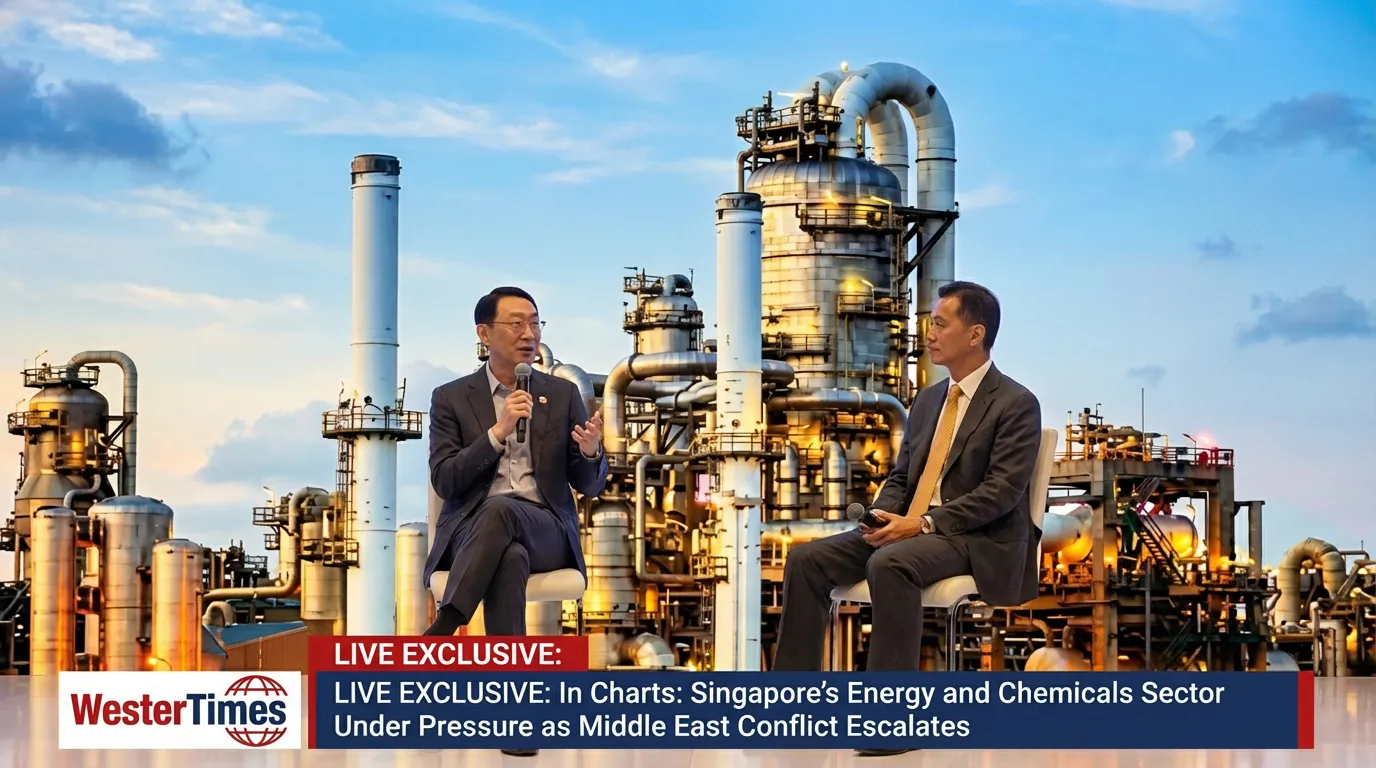
Singapore’s petrochemical hubs, particularly Jurong Island, encounter increased costs for critical raw materials like naphtha, used in producing plastics and industrial chemicals. Companies that diversify sourcing and optimize supply chains can reduce risks and capture market opportunities during this period of volatility.
Opportunities Amid Market Volatility
While high energy prices create challenges, they also boost refining margins for facilities that manage to secure reliable supply. Firms that act strategically to expand sourcing options or negotiate long-term LNG contracts position themselves to benefit financially despite global uncertainty.
Effects on the Local Economy
Consumers feel the effects of rising energy costs through higher electricity and fuel prices. Inflationary pressure may increase, prompting government intervention to stabilize the economy and support households. Businesses must adapt quickly to avoid passing excessive costs to customers.
Advancing Energy Resilience
The current crisis highlights Singapore’s need to accelerate renewable energy and low-carbon initiatives. Expanding solar energy, adopting energy-efficient technologies, and diversifying fuel sources can strengthen long-term energy resilience and reduce vulnerability to geopolitical tensions.
Conclusion
The Middle East conflict underscores both risks and opportunities for Singapore’s energy and chemicals sector. Strategic supply management, diversification, and investment in sustainable energy will play crucial roles in navigating the current crisis. The sector’s response today will determine its ability to maintain stability and growth amid global uncertainty. Singapore petrochemical industry.