Iran Targets the Strait of Malacca: How the United Nations Responds
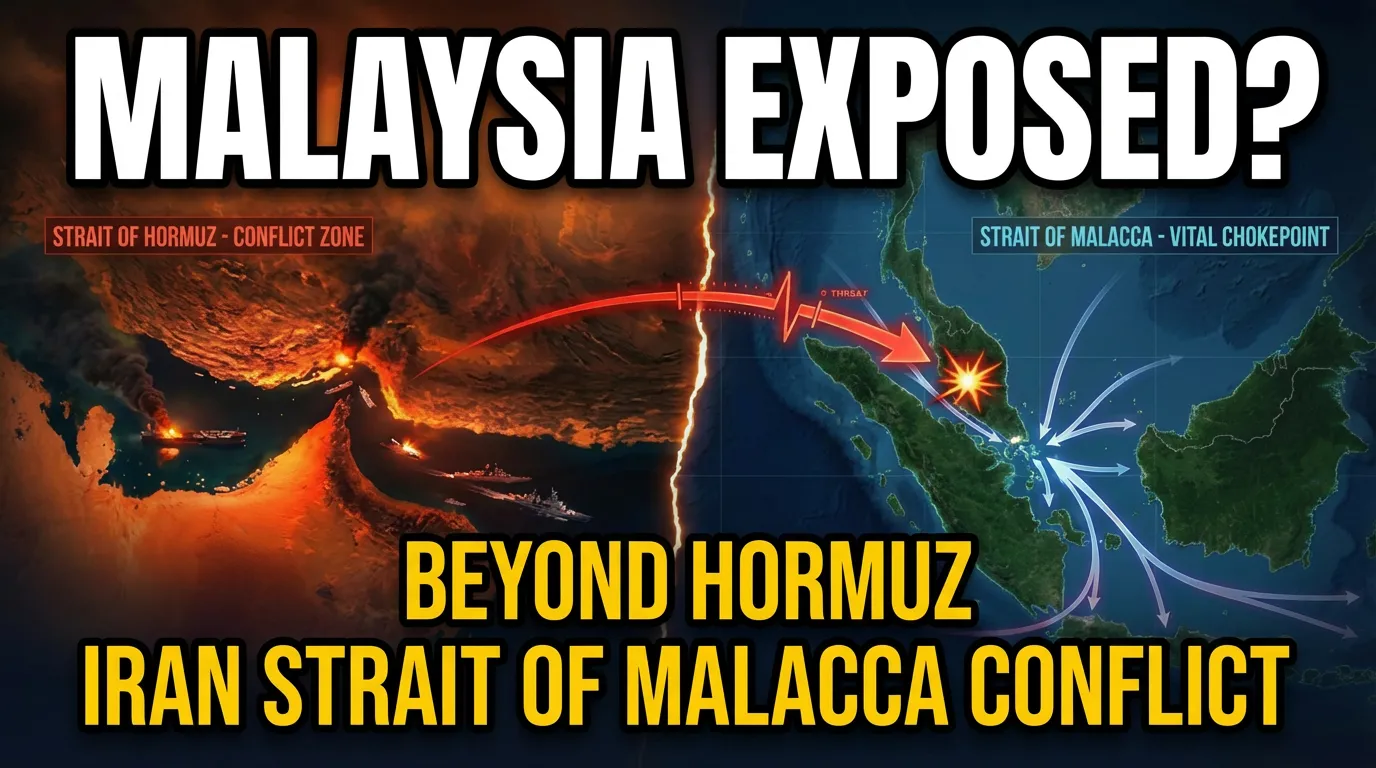
Iran Strait of Malacca conflict, Global geopolitical tensions continue to rise as concerns grow over Iran’s potential expansion of maritime conflict toward the Strait of Malacca. This critical shipping lane plays a central role in international trade, and any disruption immediately triggers worldwide attention. While earlier conflicts focused on the Strait of Hormuz, recent developments shift the spotlight toward Southeast Asia.Iran Strait of Malacca conflict
Rising Tensions in Strategic Waterways
Iran previously escalated tensions in the Strait of Hormuz, where it restricted access in response to pressure from the United States. That move disrupted global oil flows and sent energy markets into uncertainty. Soon after, Iranian officials signaled the possibility of extending their influence beyond the Middle East. This warning sparked global concern, especially as analysts began to mention the Strait of Malacca as a potential target.
The Strait of Malacca connects the Indian Ocean and the Pacific Ocean, making it one of the busiest shipping routes in the world. Every day, thousands of vessels transport oil, gas, and goods through this narrow corridor. If Iran attempts to interfere with this route, global supply chains could face immediate disruption.
Economic Impact and Global Risk
The global economy relies heavily on uninterrupted maritime trade, and the Strait of Malacca carries nearly 40% of world trade. Countries such as China, Japan, and South Korea depend on this route for energy imports and exports. Any interference would likely trigger sharp increases in oil prices, shipping costs, and inflation.
Moreover, businesses across continents would face delays and shortages. Supply chains, already sensitive due to recent global disruptions, would struggle to adapt. As a result, even the suggestion of conflict in this region has already influenced market behavior.
United Nations Takes Action
In response to rising concerns, the United Nations has taken a proactive stance. Leaders within the organization convened emergency discussions to address maritime security and prevent escalation. The UN emphasized the importance of maintaining freedom of navigation, a principle protected under international law.
Additionally, the UN called on all parties to engage in diplomatic dialogue. Officials urged restraint and warned against actions that could destabilize global trade. Through coordinated efforts, the organization aims to prevent the situation from escalating into a broader conflict.
Regional Response in Southeast Asia
Countries surrounding the Strait of Malacca, including Indonesia, Malaysia, and Singapore, have strengthened maritime security measures. These nations actively patrol the area and coordinate efforts to ensure safe passage for commercial vessels.
Regional leaders have also reinforced their commitment to keeping the strait open and secure. They recognize that stability in this region directly affects both regional and global economies.
Conclusion: A Critical Moment for Global Stability
The possibility of Iran targeting the Strait of Malacca has created significant global concern. Even without confirmed attacks, the threat alone highlights the vulnerability of key maritime routes. The United Nations continues to lead diplomatic efforts, while regional powers remain vigilant.
At this critical moment, strong international cooperation and decisive action will determine whether the world avoids a major economic and geopolitical crisis.