US–Israel Strike Iran, Khamenei Killed: The Middle East Enters Its Most Dangerous Chapter
Escalation of Military Tensions in the Middle East
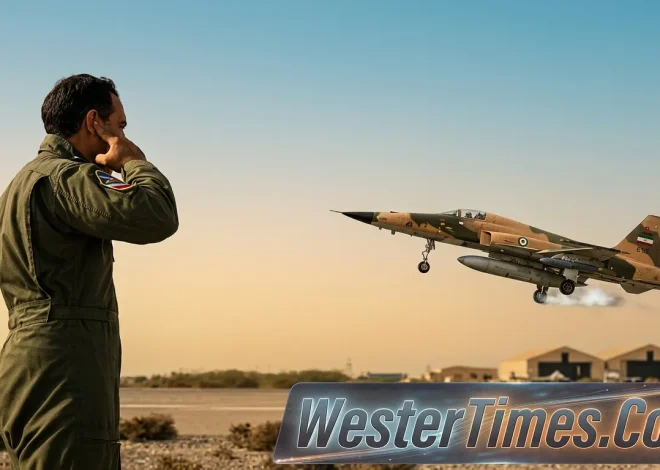
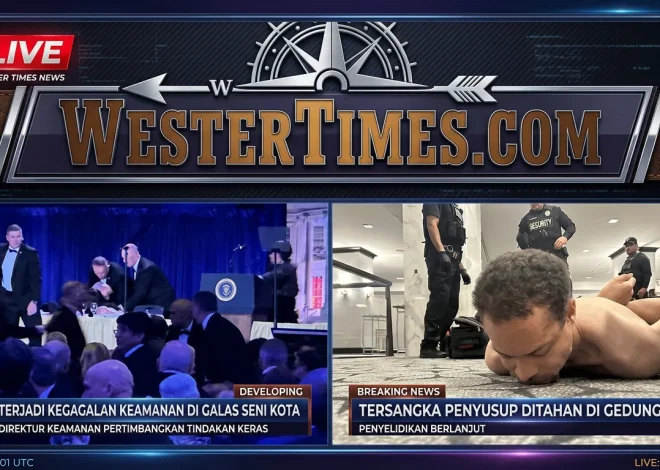
Global tensions reached a boiling point when United States and Israel launched a coordinated military assault on Iran. Waves of airstrikes and precision-guided missiles tore through strategic facilities, including key military command centers and defense installations. Within hours, headlines around the world signaled a dramatic shift in Middle Eastern geopolitics, while financial markets reacted sharply to the rising risk of regional war. US Israel attack on Iran.
The offensive did not emerge overnight. For months, Washington and Tel Aviv intensified pressure on Tehran over its nuclear ambitions and alleged support for regional militant groups. Diplomatic channels narrowed, rhetoric hardened, and military posturing escalated. Ultimately, both governments chose force over negotiation. By striking high-value targets, they aimed to cripple Iran’s strategic capabilities and send a clear warning that they would not tolerate further escalation.
Khamenei’s Death Shakes Iran’s Political Core
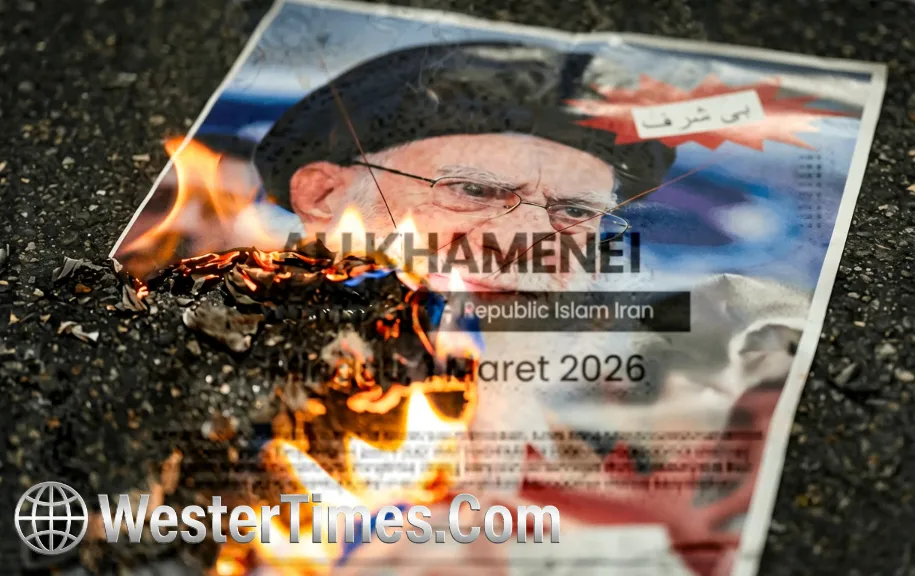
The situation transformed dramatically after a massive explosion rocked a central leadership compound in Tehran. Soon after, confirmation spread across international media: Ali Khamenei killed, Iran’s Supreme Leader since 1989, had been killed in the attack. For more than three decades, Khamenei shaped Iran’s political doctrine, military strategy, and ideological direction. His death not only stunned the Iranian public but also shook the balance of power across the region.
Crowds gathered in major cities. Some demanded swift retaliation against the United States and Israel, while others quietly reflected on the historic magnitude of the moment. Iranian authorities moved quickly, activating emergency command structures and vowing decisive revenge. Within hours, Iran launched retaliatory missile strikes toward targets linked to US and Israeli interests. Air raid sirens wailed, projectiles crossed the night sky, and the threat of broader war intensified.
Humanitarian Impact and Regional Fallout
Beyond political shockwaves, the conflict unleashed severe humanitarian consequences. Explosions damaged critical infrastructure and forced thousands of civilians to flee their homes. International organizations urged restraint, yet each counterstrike fueled a cycle of escalation. As tensions mounted, fears of a full-scale regional confrontation grew stronger.
At the same time, neighboring countries reinforced their borders and heightened military readiness. Regional alliances faced immediate stress tests, and diplomatic efforts struggled to keep pace with events unfolding on the ground. The Middle East once again found itself at the center of global uncertainty.
Global Economic Shockwaves and Energy Market Volatility
Meanwhile, global energy markets responded instantly. Oil prices surged as traders anticipated potential supply disruptions from the Gulf region. Investors shifted toward safe-haven assets, and governments reviewed emergency energy strategies. Clearly, the crisis extended far beyond regional borders; it began reshaping the global economic landscape in real time.
The ripple effects touched currency markets, stock exchanges, and international trade routes. Economists warned that prolonged instability could trigger inflationary pressures and slow global growth. As a result, policymakers worldwide monitored developments closely, preparing contingency measures to cushion potential shocks.
Leadership Transition and an Uncertain Future
Attention now turns to Iran’s leadership succession. Power struggles within the country’s political and religious elite could determine whether Iran moves toward stabilization or deeper confrontation. A fragmented transition may spark internal instability, while a hardline successor could intensify hostilities with Western powers.