Climate Crisis in Europe: Facing Extreme Weather Challenges
Europe, is experiencing an unprecedented climate crisis, with extreme weather events affecting different regions in contrasting ways. While southern countries like Greece grapple with soaring temperatures and intense heatwaves, northern and central parts of Europe face unusually heavy snowfall and freezing conditions. These extreme patterns highlight the urgent need for awareness, adaptation, and mitigation strategies extreme cold and heavy snowfall.
Heatwaves in Southern Europe
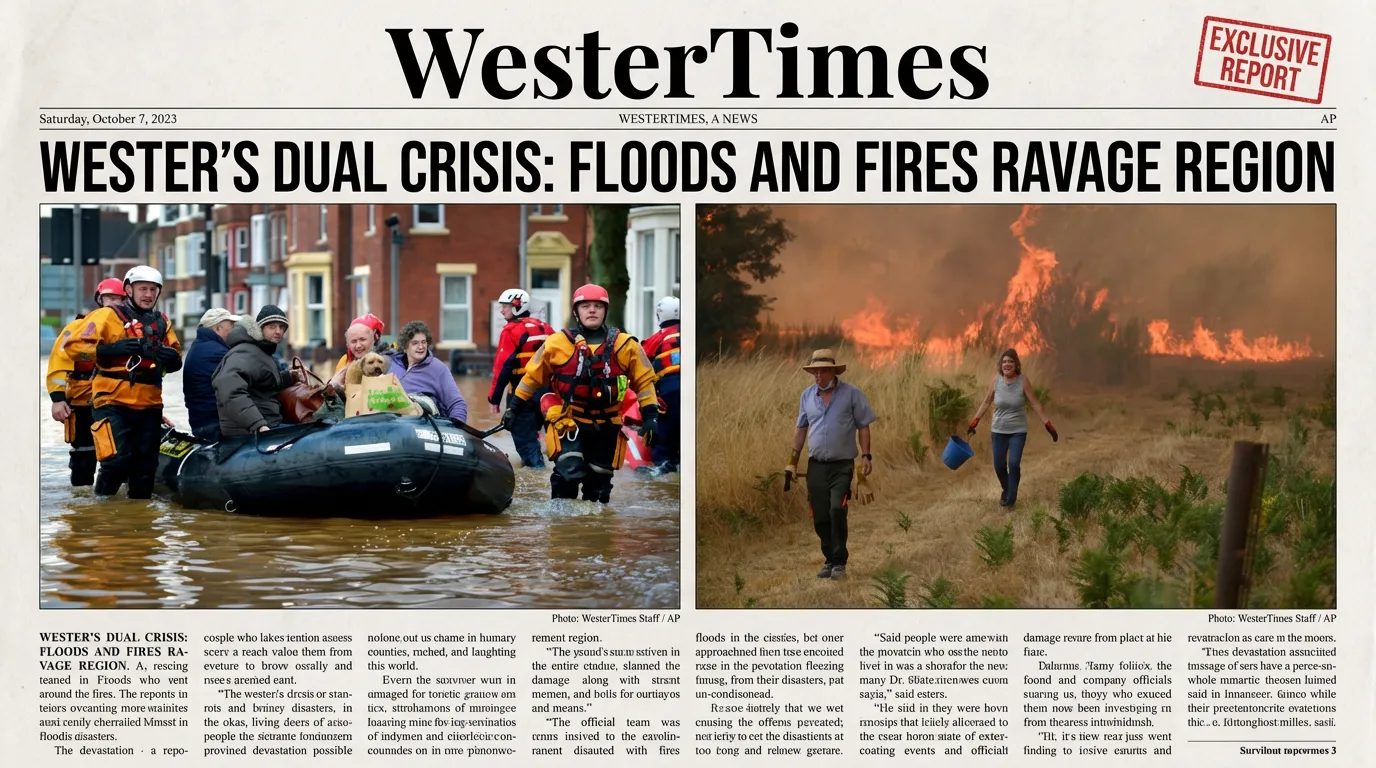
In countries such as Greece, Spain, and Italy, summer temperatures have reached historic highs, pushing local communities to their limits. Heatwaves not only threaten public health, especially for the elderly and children, but also exacerbate drought conditions, impacting agriculture and water supplies. Forests and wildfires are becoming increasingly frequent, causing environmental and economic damage. The rising heat challenges infrastructure, from electricity grids to transportation, forcing governments and citizens to adapt quickly.
Snowstorms and Freezing Temperatures in Other Regions
Meanwhile, central and northern Europe are experiencing extreme cold and heavy snowfall. Germany, Poland, and Scandinavia report severe disruptions in daily life due to icy roads, frozen waterways, and interrupted public transport. Prolonged cold can also affect energy consumption, increasing the demand for heating and placing strain on national energy grids. The stark contrast between freezing regions and the scorching south underscores the unpredictable nature of climate change.
Implications for Europe
These contrasting extremes demonstrate that climate change is not uniform, but rather region-specific, requiring tailored strategies. Southern Europe needs investment in heat-resistant infrastructure and efficient water management, while northern and central Europe must prepare for snowstorms and extreme cold. Across the continent, governments, businesses, and citizens are called to adopt sustainable practices, from reducing carbon emissions to implementing green energy solutions.
Conclusion
Europe’s climate crisis is a wake-up call. The simultaneous challenges of extreme heat in the south and severe cold in other areas reveal the urgent need for coordinated action. Preparing for such diverse weather events not only protects lives and property but also strengthens Europe’s resilience against the unpredictable impacts of global climate change. By taking proactive measures, the continent can face these environmental challenges with foresight and determination.