Iran War Escalation: Supreme Leader’s Wife Dies After US-Israel Strikes
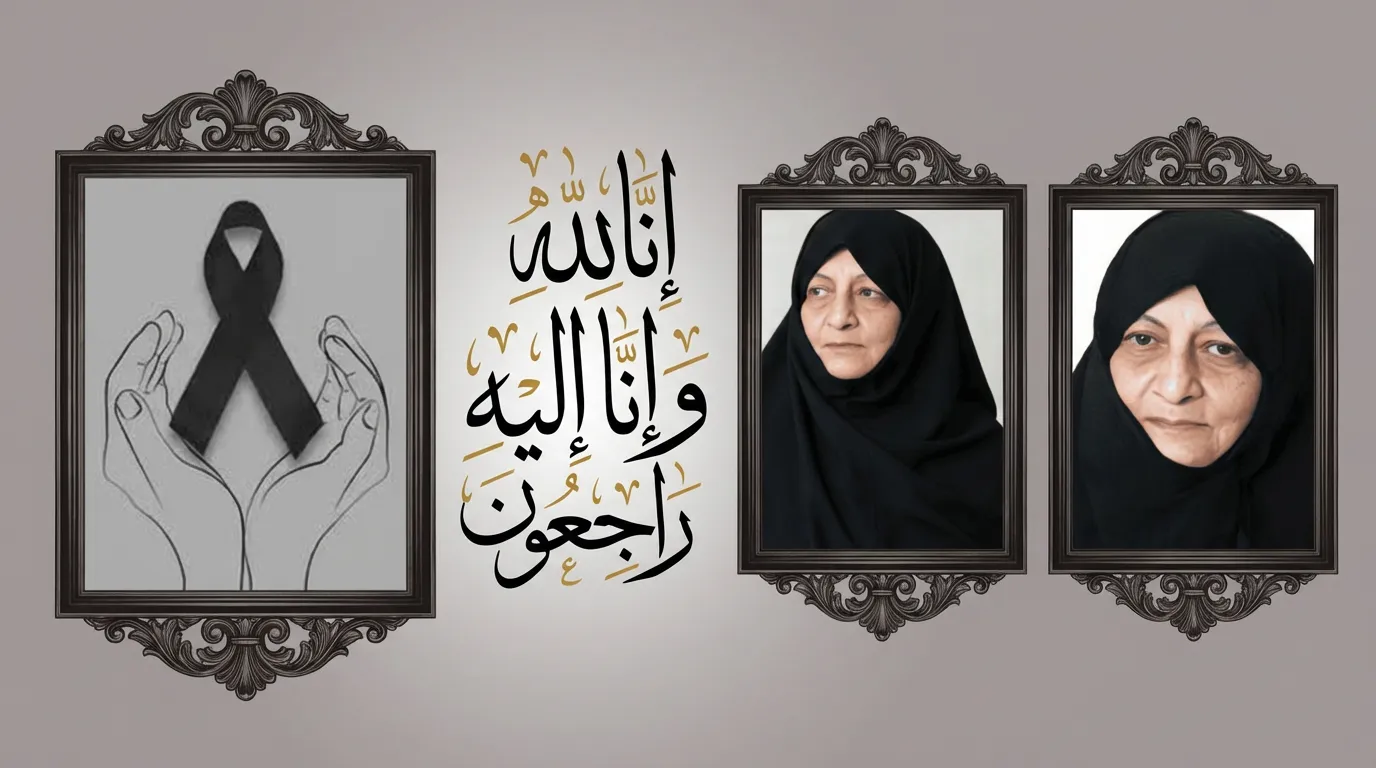
Khamenei’s Wife Dies in US-Israel Strike, The Middle East continues to burn as conflict between the United States, Israel, and Iran intensifies in early March 2026. In a shocking turn of events, Mansoureh Khojasteh Bagherzadeh, the wife of Iran’s late Supreme Leader Ayatollah Ali Khamenei, has died from injuries sustained during joint US-Israeli airstrikes, state media has reported. Her death adds another tragic layer to an already devastating war that has reshaped regional dynamics and sent global shockwaves.
Who Was Mansoureh Khojasteh Bagherzadeh?
Mansoureh Khojasteh Bagherzadeh lived a largely private life despite her long marriage to Ayatollah Ali Khamenei, who led Iran for more than three decades until his death during the attack on February 28, 2026. Married for more than fifty years and known for her low-profile presence, Mansoureh rarely appeared in political events or public ceremonies. She focused on family life away from the spotlight, even as her husband wielded vast political and religious power across Iran.
Her death on March 2, 2026, occurred after she reportedly fell into a coma due to injuries from the airstrikes, according to Iran International and multiple state reports. The strikes that rocked Tehran targeted several Iranian leadership sites, including areas tied to the Supreme Leader’s circle.
Conflict That Sparked a Nation’s Grief
The US-Israel military campaign against Iran erupted over growing tensions related to Iran’s nuclear program and regional influence. On February 28, 2026, coordinated strikes dubbed by leaders in Washington and Tel Aviv as necessary for national security struck key military and political targets inside Iran’s capital. During these attacks, Supreme Leader Ayatollah Ali Khamenei was killed along with several members of his family, including his daughter, grandchild, son-in-law, and daughter-in-law, according to Reuters reporting.
Iran immediately declared a 40-day period of national mourning for its fallen leader and close relatives. The loss of Mansoureh adds further sorrow, prompting intense grief among hard-line supporters and ordinary Iranians alike. State broadcasters described her death as “martyrdom,” reaffirming the regime’s narrative of sacrifice and resistance in the face of foreign aggression.
Regional Shockwaves and Global Reaction
This conflict has sparked retaliation throughout the Middle East. Iran’s armed forces have launched missile and drone attacks against targets in Israel, the Gulf, and bases hosting US forces. These counter-attacks intensified tensions, forcing civilian airspace closures, disrupting global oil markets, and heightening fears of broader war.
International reactions have varied. Some allies condemned the strikes as violations of international law, while others praised actions aimed at diminishing Tehran’s regional power. The death of Mansoureh a non-combatant figure tied to Iran’s leadership has fueled debates about the human cost of targeted military campaigns and the blurred lines between political objectives and civilian suffering.
Legacy of Loss and Uncertain Future
As Iran enters an era of deep uncertainty, the deaths of its Supreme Leader, his family members, and now his wife underline a broader transformation in Middle Eastern geopolitics. With leadership structures in flux and national unity tested by grief and anger, the region stands at a dangerous crossroads. Mansoureh Khojasteh Bagherzadeh’s passing represents not only a personal tragedy but also a symbol of how wars extend far beyond battlefields, altering the course of nations and the lives of millions.