
Controversy Erupts Over Reported Venezuelan Oil Shipments to Israel
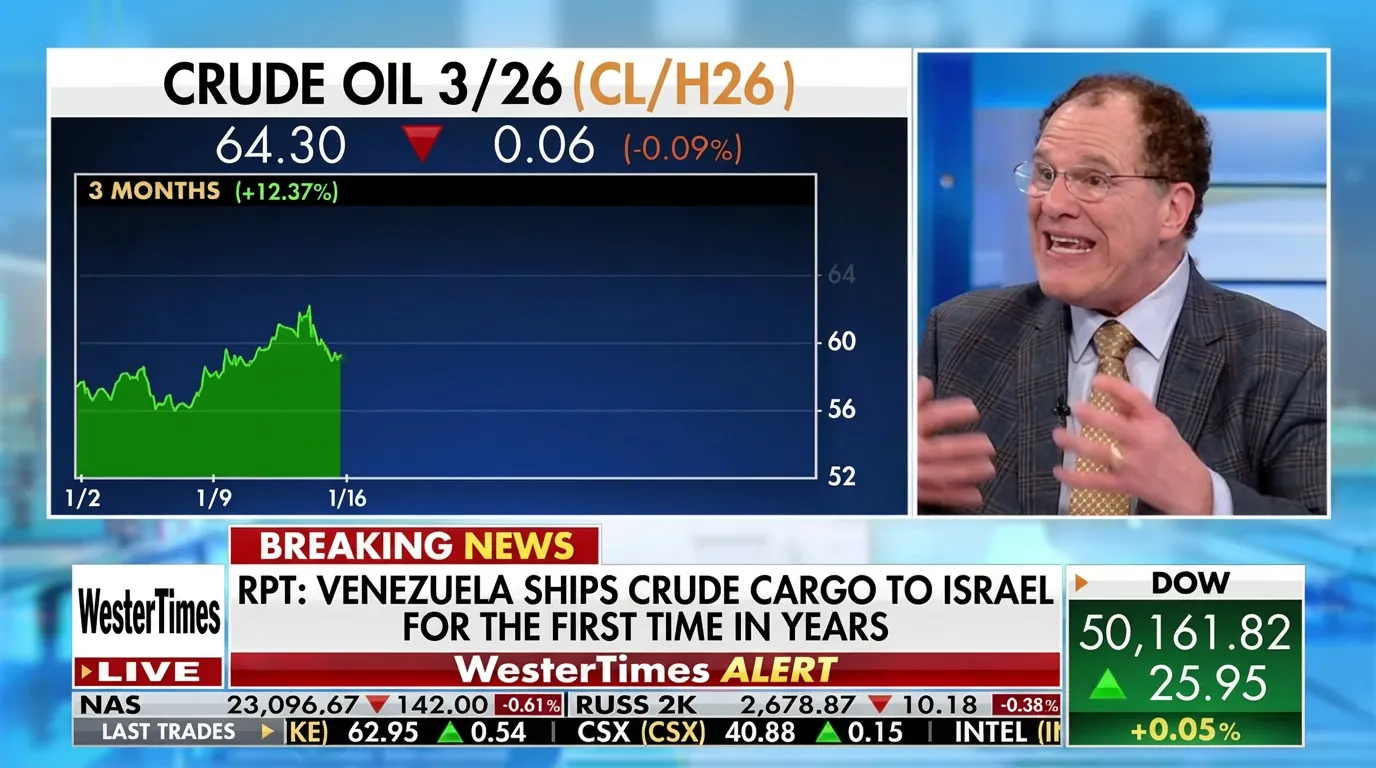
Venezuela, has become the center of intense global debate after multiple international outlets reported that a crude oil shipment from Venezuela is en route to Israel, marking what would be the first such delivery in years. However, Caracas has firmly denied these reports, calling them unfounded and labeling them “fake news.”
The conflicting narratives have sparked political and diplomatic controversy, as analysts try to determine whether the reported shipment is factual or simply a misunderstanding arising from recent changes in Venezuela’s oil trade structure.
Reports Claim First Oil Export to Israel Since 2020
According to reports citing data from analytics firm Kpler and unnamed industry sources, Venezuela reportedly dispatched a crude oil cargo bound for Israel’s Bazan Group the country’s largest crude processor based in Haifa. If confirmed, this shipment would be the first direct Venezuelan oil export to Israel since mid‑2020.
The reports suggest that this development follows the capture of former Venezuelan President Nicolás Maduro by U.S. forces in January 2026, and the subsequent reopening of Venezuelan crude exports under new oversight. Observers note that Venezuela’s traditional export markets, especially China, have diversified recently, with cargoes reportedly sold to buyers in India, Spain, the United States, and possibly Israel.
Venezuelan Government Denies Shipment Claims
Despite the international reporting, Venezuelan authorities have strongly rejected the claims of oil exports to Israel. Vice President for Communications and Culture Miguel Ángel Pérez Pirela publicly dismissed the reports as false and unverified, sharing screenshots of the coverage labeled “FAKE” on official social media. Caracas insists it has no evidence of any such deal or delivery taking place.
This denial highlights the ongoing dispute between Venezuelan officials and international media, with government representatives emphasizing that diplomatic and trade relations with Israel have historically been strained or nonexistent for years.
Historical Context and Diplomatic Strain
Venezuela and Israel severed diplomatic ties in 2009 amid regional tensions and ideological differences. Past Venezuelan leaders, including Hugo Chávez and Nicolás Maduro, openly opposed Israeli policies, especially regarding the Israel‑Palestine conflict. Given this backdrop, any reported oil export to Israel represents a major narrative shift, whether factual or not. Venezuelan oil shipment.
Broader Oil Market Shifts in 2026
Independent of the dispute over Israel, Venezuela’s oil sector has undergone significant transformation in recent weeks. After years of sanctions and limited exports, the United States issued broad licensing for Venezuelan oil transactions, reopening market access and allowing firms licensed by the U.S. government to resume crude exports.
Analysts from the U.S. Energy Information Administration even project that Venezuela could return to pre‑blockade production levels by mid‑2026, as the industry rebounds under new regulatory conditions.
What Comes Next?
At the core of the controversy is the lack of official confirmation from either the Venezuelan or Israeli governments. Israeli authorities traditionally do not disclose specific crude suppliers, and some tankers approaching Israeli ports have historically disappeared from public tracking systems. oil market.
With both sides issuing mixed narratives, global markets and geopolitical analysts are watching closely. The stakes extend beyond one shipment they raise questions about Venezuela’s global oil strategy, U.S. influence in Caracas, and broader geopolitical alignments in an already tense Middle East landscape.