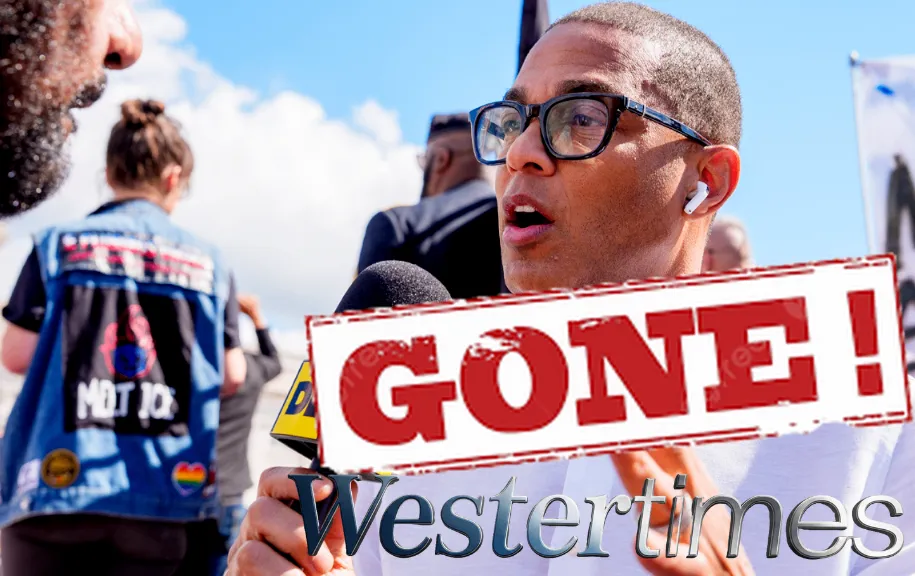
Exclusive: The Hidden Meaning Behind the Arrest of Journalist Don Lemon
By WesterTimes | Investigative
The arrest of journalist Don Lemon sent shockwaves through media circles, political institutions, and civil rights organizations across the United States. Authorities described the incident as a matter of law enforcement, yet critics quickly framed it as a defining moment in the battle over press freedom, government accountability, and control of public narratives.
Federal officers detained Lemon while he covered a high-tension immigration protest. Officials alleged procedural violations connected to the event. Lemon and his legal team rejected that claim and insisted that he worked strictly in his role as a journalist. This distinction now shapes a debate that could influence the future of media rights in America.
A Direct Challenge to Press Freedom
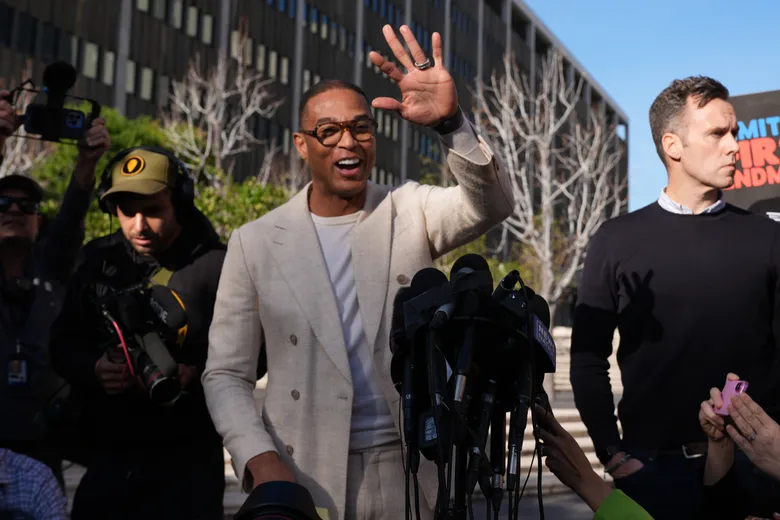
Don Lemon arrest, This case raises a pressing constitutional question. Can law enforcement detain a journalist during coverage of a politically sensitive event without damaging press freedom?
The United States promotes the First Amendment as a core pillar of democracy. However, history shows that political tension often pressures constitutional protections.
Lemon’s arrest surfaced during intense national debate over immigration enforcement and public protest. That timing adds political weight to an already controversial case.
Media watchdog groups argue that such actions may discourage aggressive reporting. When authorities detain a nationally recognized journalist during field coverage, independent reporters may hesitate before entering similar environments. Fear of detention or legal consequences can influence editorial decisions long before any court ruling occurs.
Control of Narrative and Political Tension
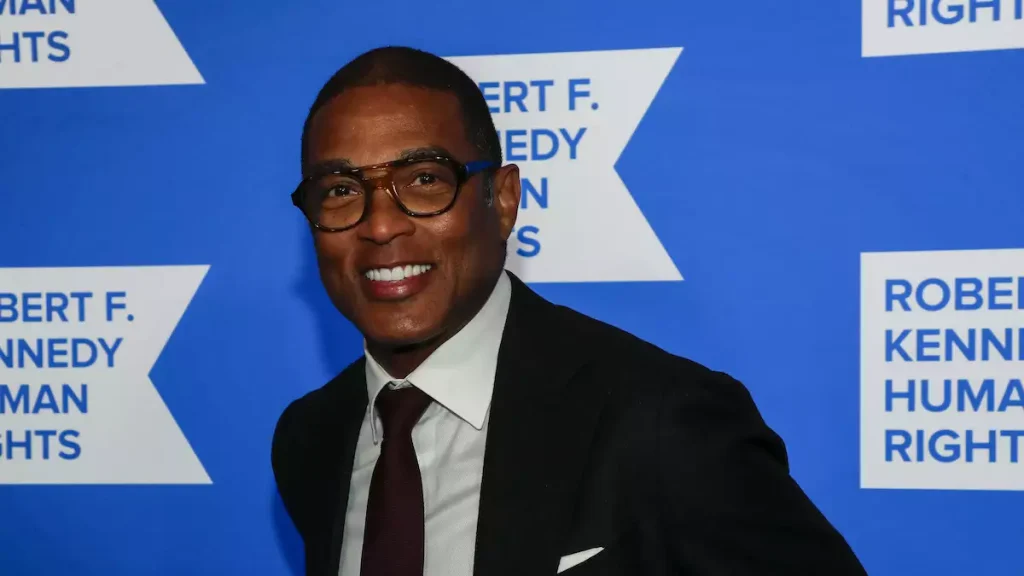
Don Lemon built a career in mainstream broadcasting before shifting to independent commentary. That move reflects a broader transformation in the media industry. Digital platforms now empower journalists to reach audiences directly without traditional gatekeepers.
This evolution reshapes the balance of power between institutions and media voices. Governments often prioritize stability and message control during public unrest. Journalists prioritize transparency and accountability. When those goals clash, society witnesses more than a legal dispute. It sees a struggle over narrative authority.
Immigration policy intensifies that struggle. Lawmakers, activists, and voters already debate the issue with sharp division. Therefore, any action involving a journalist who reports on immigration enforcement invites political interpretation. Supporters view the detention as enforcement of the law. Critics interpret it as pressure against critical coverage.
Consequences for Independent Media
The case carries significant implications for independent journalism. Large networks maintain legal teams and institutional support. Independent journalists rely on personal resources and limited legal protection. If authorities increase scrutiny in protest settings, independent reporters face greater exposure.
This reality forces a broader discussion about equal protection under press freedom standards. Who qualifies as a journalist in today’s digital landscape? Courts and lawmakers must clarify how constitutional protections apply to reporters who operate outside traditional newsroom structures.
Moreover, the incident highlights the evolving definition of journalism itself. Livestream reporting, digital commentary, and on-the-ground documentation blur old boundaries. Legal systems must adapt to these shifts without weakening core democratic safeguards.
A Turning Point for Democratic Accountability
The arrest of Don Lemon places democratic accountability under the spotlight. A healthy democracy depends on balance. Governments enforce laws. Journalists question authority. When enforcement actions directly intersect with reporting activity, public trust enters fragile territory. Don Lemon journalist arrest.
This case now carries symbolic force far beyond one individual. It challenges institutions to reaffirm their commitment to constitutional principles. It also challenges the media to defend its role with clarity and responsibility.