War Abroad Sends Sri Lanka’s Gas Prices Soaring 25%
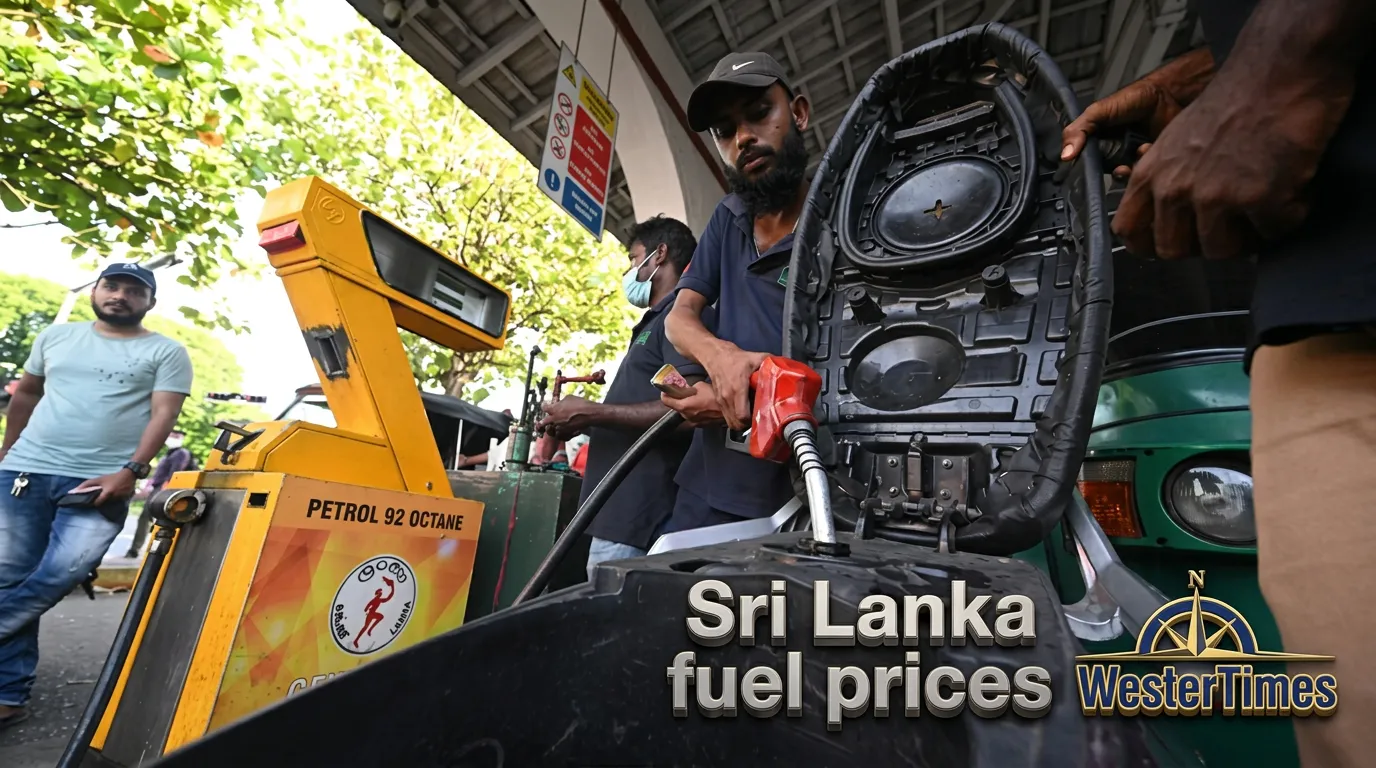
Sri Lanka fuel prices, has grabbed global attention after the government announced a 25 percent increase in fuel prices on March 22, 2026. This move highlights the growing economic pressure caused by the war in the Middle East. The increase reflects the struggles of an island nation heavily dependent on imported energy.
This latest adjustment marks the second hike in just two weeks. Previously, the government raised prices by 8 percent and implemented a fuel rationing system to control domestic consumption. Gasoline now costs approximately Rs 398 per liter, while diesel, the main fuel for public transport, jumps to Rs 382 per liter.
What Drives the Fuel Price Hike?
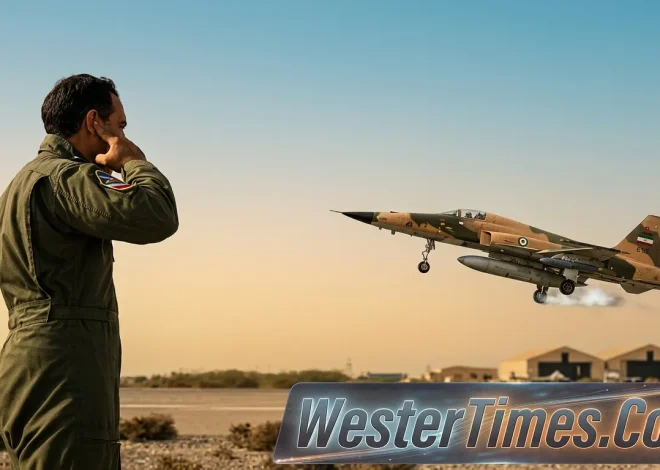
The government directly responds to disruptions in global energy supply triggered by escalating conflict between the United States, Israel, and Iran. Rising tensions forced oil tankers to avoid key routes such as the Strait of Hormuz, causing sharp reductions in global oil distribution.
The Strait of Hormuz carries nearly 20 percent of the world’s oil exports. Any disruption along this route immediately affects prices and availability worldwide.
Impact on Economy and Daily Life
The fuel price increase hits Sri Lanka hard because the country imports almost all its energy needs. It relies on refined oil products from Singapore, Malaysia, and South Korea. With the economy still recovering from a severe financial crisis from 2019 to 2024, citizens now face higher living costs, inflation, and limited foreign exchange.
The government introduced a four-day workweek and encouraged remote work to reduce fuel consumption in the public sector.
Government Strategy to Reduce Consumption
The price adjustment aims to cut fuel consumption by 15 to 20 percent in the short term. The government also enforces vehicle rationing based on license plate numbers, limits travel, and reschedules public and social activities to increase energy efficiency.
Challenges and Outlook
Although the policy controls supply and reduces dependence on imports, economists warn it might slow economic growth if sustained. During previous crises, fuel shortages caused long queues and social disruptions.
The war in the Middle East continues to dictate global fuel prices. Sri Lanka must navigate these challenges carefully while balancing economic growth and energy security. The situation proves that global conflicts have direct consequences even in distant countries, affecting everyday lives and national economies.