
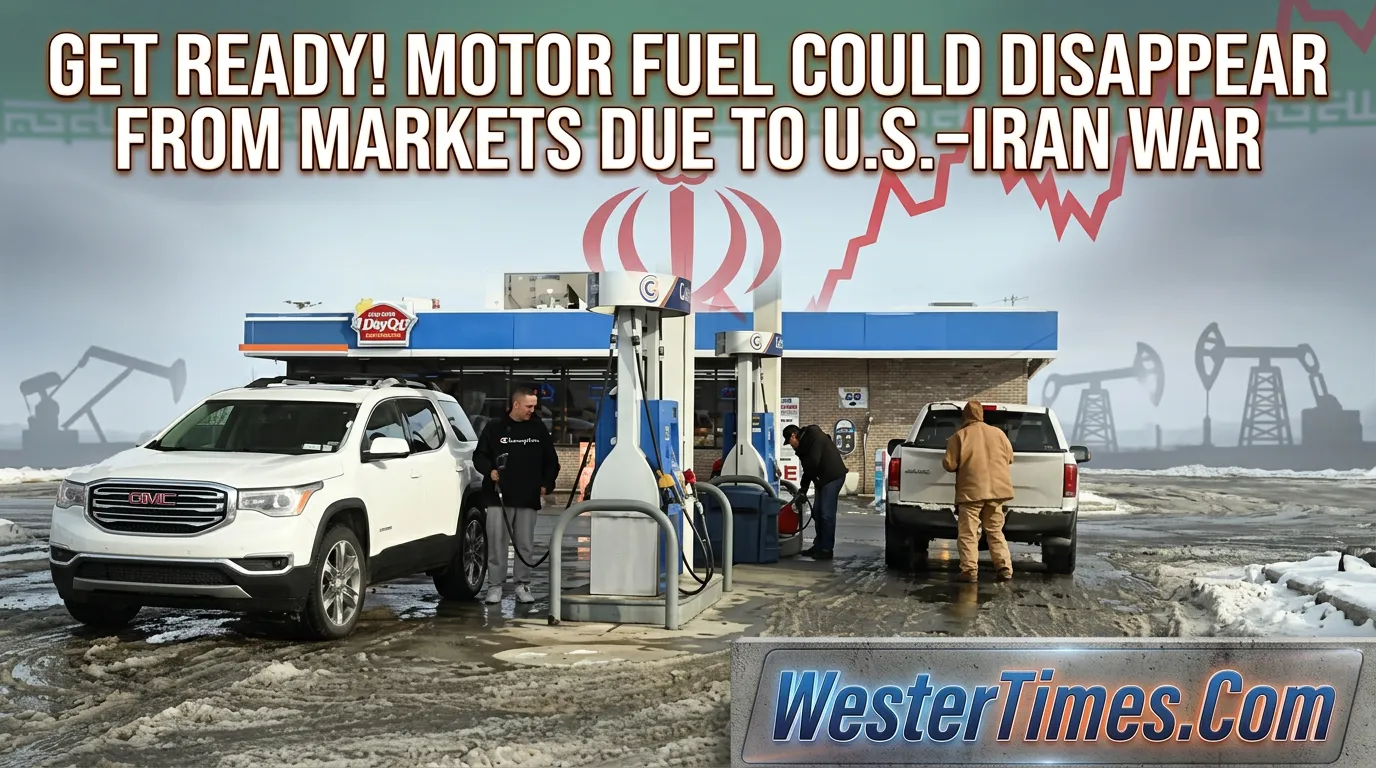
Get Ready! Motor Fuel Could Disappear from Markets Due to U.S.–Iran War
The global fuel market now faces unprecedented pressure as the U.S.–Iran conflict escalates, threatening energy supply chains, and pushing fuel prices higher worldwide. While experts do not literally predict that fuel will vanish, recent disruptions illustrate how geopolitical tensions can create severe shortages, sharp price increases, and market instability that affect everyone from logistics companies to everyday drivers.
How the War Is Disrupting Global Oil Supply
The key reason motor fuel, scarcity looms is that the conflict has cut into critical oil supply routes and production. Iran has reportedly reduced oil exports by closing or interrupting traffic through the Strait of Hormuz, a chokepoint that handles roughly 20% of global oil shipments every day.
When Iran limits shipments or threatens closure, international shipping slows dramatically, insurers withdraw coverage, and crude supply tightens within days. As a consequence, oil benchmarks like Brent crude and U.S. gasoline futures spike, driving refined fuel costs higher.
Immediate Impact on Fuel Prices and Consumer Behavior
Although full disappearance of fuel is unlikely, prices have already risen sharply in multiple markets. In the United States, average gasoline prices have crossed $3 per gallon, marking the highest level since late 2023. In Europe, diesel prices have surged even more, reflecting broader shortages and refined product competition.
This price inflation isn’t just symbolic it affects transportation, agriculture, consumer budgets, and supply chains. As fuel costs increase, transportation firms pay more to move goods; consumers pay more to commute; and businesses across sectors face rising overhead. In Southeast Asia and other import dependent regions, such as Indonesia, officials already warn of pressure on fuel subsidies and national budgets.
Why Fuel Might Become Harder to Buy
Several factors help explain the real though not total risk of fuel scarcity:
Disrupted Shipping Routes: If key maritime gateways like Hormuz remain contested, global oil flow drops quickly.
Reduced Export Volumes: Producers in the Middle East may cut or delay shipments to avoid risks, shrinking supply on world markets.
Refining Constraints: Even countries with refining capacity, such as the U.S., still depend on global crude. Tanks may fill with refined products, but pumps can still run dry.
Investor and Market Fear: Traders responding to war uncertainty drive prices even higher, creating self reinforcing cost escalation.motor fuel.
Together, these trends can lead to localized shortages at petrol stations, rationing policies, and consumer anxiety even if fuel isn’t truly eradicated from global markets.
What Consumers Can Expect Next
As the conflict continues, experts expect volatility to define fuel markets, for months. Prices could remain elevated or climb further if disruptions broaden, forcing governments and companies to adapt. Strategic reserves, alternative fuel sources, and supply diversification may help temper shortages, but the fundamental risk from geopolitical conflict remains acute.
Ultimately, the lesson is clear: global fuel security depends not just on pump prices, but on peace and stable energy trade routes something that fundamentally determines whether fuel stays available in the first place.