Iran Leader Threatens to Sink U.S. Aircraft Carrier as Regional Tensions Escalate
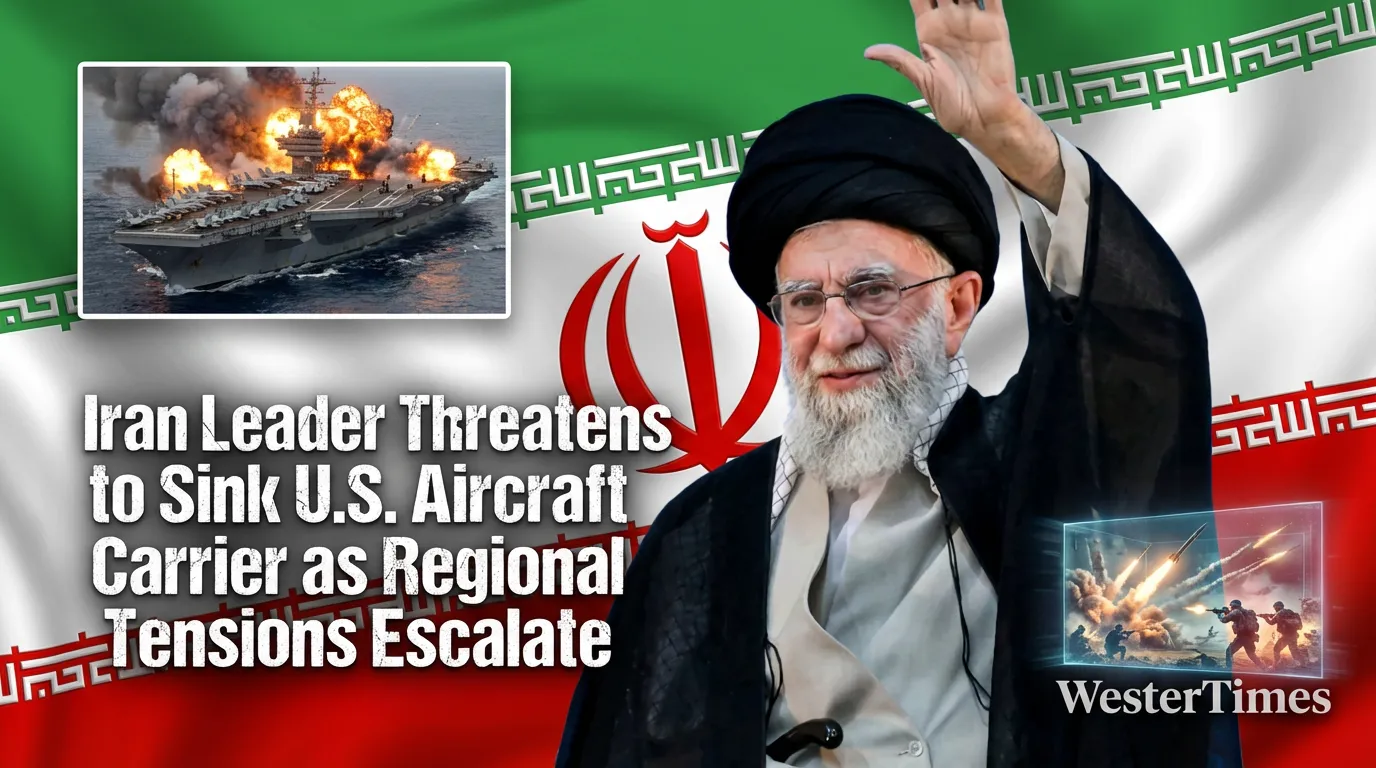
Tensions between Iran and the United States have surged again after a bold warning from Iran’s top leadership. In a recent statement, Ali Khamenei declared that Iran could target and sink a U.S. aircraft carrier if Washington initiates military aggression. The remark immediately intensified global attention and reignited debate over security in Iran threatens to sink US aircraft carrier, the Middle East.
This latest threat underscores the fragile balance of power in a region that already faces multiple geopolitical flashpoints.
A Long History of Hostility
Iran and the United States have clashed for more than four decades. Since the 1979 Islamic Revolution, both governments have confronted each other through sanctions, military positioning, and strategic alliances. Washington has imposed economic restrictions to pressure Tehran over its nuclear program and regional influence. In response, Iran has expanded its missile capabilities and strengthened its network of regional allies.
As a result, each new statement carries strategic weight. When Iran’s leadership threatens to sink a U.S. aircraft carrier, it signals more than military confidence it sends a calculated political message to both domestic and international audiences.
Military Power and Strategic Messaging
U.S. aircraft carriers symbolize American naval dominance. These floating bases deploy advanced fighter jets, missile defense systems, and thousands of personnel. The U.S. Navy positions carriers in strategic waters to deter conflict and project power.
However, Iran has invested heavily in asymmetric warfare. Iranian forces operate fast attack boats, anti-ship missiles, naval mines, and combat drones designed to challenge larger fleets in confined waters. Military officials in Tehran often highlight these capabilities to demonstrate readiness and deterrence.
Through such statements, Ali Khamenei warning to US, reinforce national unity, and discourage potential attacks. Leaders use assertive rhetoric to shape perceptions, influence negotiations, and maintain leverage in high-stakes diplomacy.
The Strategic Importance of the Strait of Hormuz
Any military confrontation would likely affect the Strait of Hormuz, one of the world’s most critical energy corridors. A significant portion of global oil shipments passes through this narrow waterway each day. Even minor disruptions can trigger spikes in global energy prices and shake financial markets.
Iran controls territory along the northern edge of the strait, which gives it geographic leverage. Iranian officials frequently reference this strategic advantage when tensions rise. Meanwhile, the United States and its allies conduct naval patrols in the area to ensure freedom of navigation.
Because of this strategic geography, verbal threats resonate far beyond bilateral politics. They influence energy markets, defense planning, and diplomatic calculations worldwide.
Diplomacy or Escalation?
Despite the strong rhetoric, analysts believe both sides seek to avoid direct war. Full-scale conflict would cause severe economic damage, destabilize regional governments, and disrupt global trade. Instead, leaders often rely on deterrence, signaling, and controlled escalation to protect national interests without crossing the line into open warfare.
Diplomatic channels remain active, even during periods of heightened tension. Negotiations over nuclear policy, sanctions relief, and regional security continue to shape interactions behind closed doors. Iran vs United States tensions.
Global Implications
The threat to sink a U.S. aircraft carrier highlights the volatile relationship between Iran and the United States. While bold language grabs headlines, strategic calculations guide real-world decisions. For now, both nations project strength, test boundaries, and measure responses carefully.
Ultimately, stability in the Middle East depends on restraint, strategic communication, and sustained diplomatic engagement. Without these elements, even rhetorical threats could evolve into consequences that affect the entire world.