Growing Tensions Between Cuba and the United States
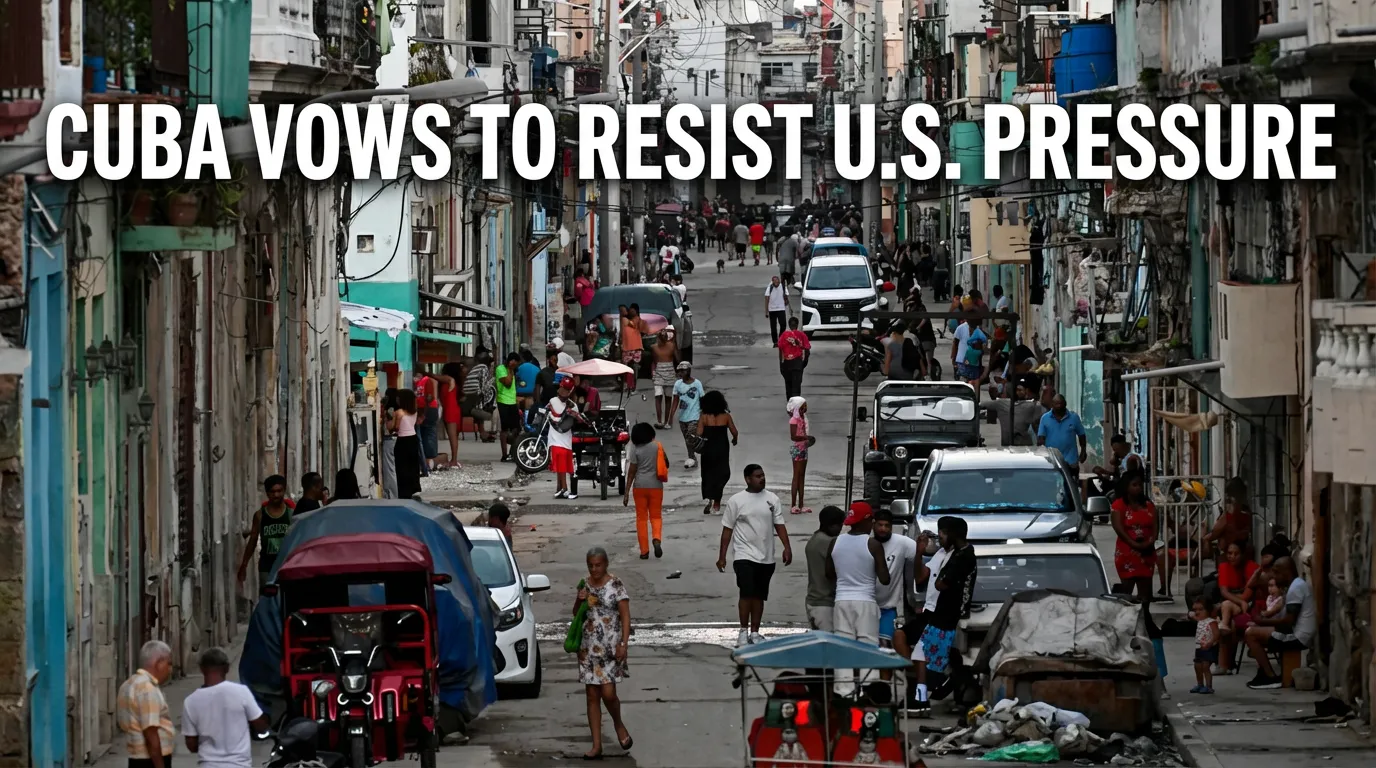
Cuba Vows to Resist U.S. Pressure Amid Trump Era Tensions
Cuba vows to resist U.S. pressure, Tensions between Cuba and the United States have intensified once again amid strong political rhetoric and renewed policy pressure during the Trump era. As discussions around economic restrictions and diplomatic strategies resurfaced, Cuban leaders responded with firm declarations of resistance. Consequently, the situation has drawn global attention and sparked debates about sovereignty, diplomacy, and regional stability.
For decades, relations between the two nations have shifted between cautious engagement and strict confrontation. However, recent developments have pushed the relationship back into a more confrontational phase. In response, Cuban officials have publicly reaffirmed their commitment to national independence and political autonomy.
Cuba’s Firm Stance on Sovereignty
Cuban authorities emphasize that external pressure will not dictate their internal affairs. Moreover, they argue that sovereignty remains non-negotiable. Government representatives have stated that Cuba will defend its political system and economic direction, regardless of foreign criticism or sanctions.
Additionally, Cuban leaders portray their position as a defense of national dignity. They argue that economic restrictions have historically impacted the Cuban population, yet they insist that resilience and unity will prevail. Through official speeches and state communications, the government reinforces the message that Cuba will stand firm against what it considers interventionist policies.
Economic Sanctions and Their Impact
Economic sanctions remain a central point of contention. Over the years, trade limitations and financial restrictions have influenced Cuba’s economy, affecting imports, exports, and access to international markets. As a result, domestic industries have faced challenges in development and expansion.
Nevertheless, Cuba has continued to pursue alternative trade partnerships and regional alliances. By strengthening relationships with other countries, Cuban policymakers aim to reduce dependency on U.S. markets. In addition, the government promotes internal economic reforms designed to stimulate growth while maintaining state control over key sectors.
Diplomatic Dialogue or Continued Confrontation?
Despite heightened tensions, opportunities for dialogue remain possible. Historically, periods of diplomatic engagement have led to improvements in travel, trade discussions, and cultural exchange. Therefore, observers argue that communication channels should remain open to prevent further escalation.
On the other hand, political disagreements and ideological differences continue to shape the relationship. Both sides maintain strong positions, which complicates negotiations. Nevertheless, international stakeholders encourage peaceful dialogue and mutual respect to avoid further instability in the region.
Global Reactions and Regional Implications
The renewed strain between Cuba and the United States does not exist in isolation. In fact, neighboring countries and global organizations closely monitor developments. Stability in the Caribbean region remains important for trade routes, tourism, and economic cooperation.
Furthermore, investors and international businesses observe political changes carefully, as shifts in policy can influence market conditions. Consequently, diplomatic decisions may have far-reaching economic and geopolitical effects.
Looking Ahead
As tensions evolve, the future of U.S.–Cuba relations depends on political leadership, strategic decisions, and international diplomacy. While Cuba continues to assert its independence and resist external pressure, the broader global community hopes for constructive engagement.