Winter Storms in the U.S. : Impact, Challenges, and How to Stay Prepared
Winter Storms in the U.S., have once again captured global attention. Every year, these extreme weather events bring heavy snowfall, freezing temperatures, and powerful winds that significantly impact daily life. Beyond disrupting transportation and work routines, winter storms affect energy supply, public safety, and local economies. Understanding their characteristics and consequences is crucial for individuals and communities to prepare and respond effectively.
What Are Winter Storms?
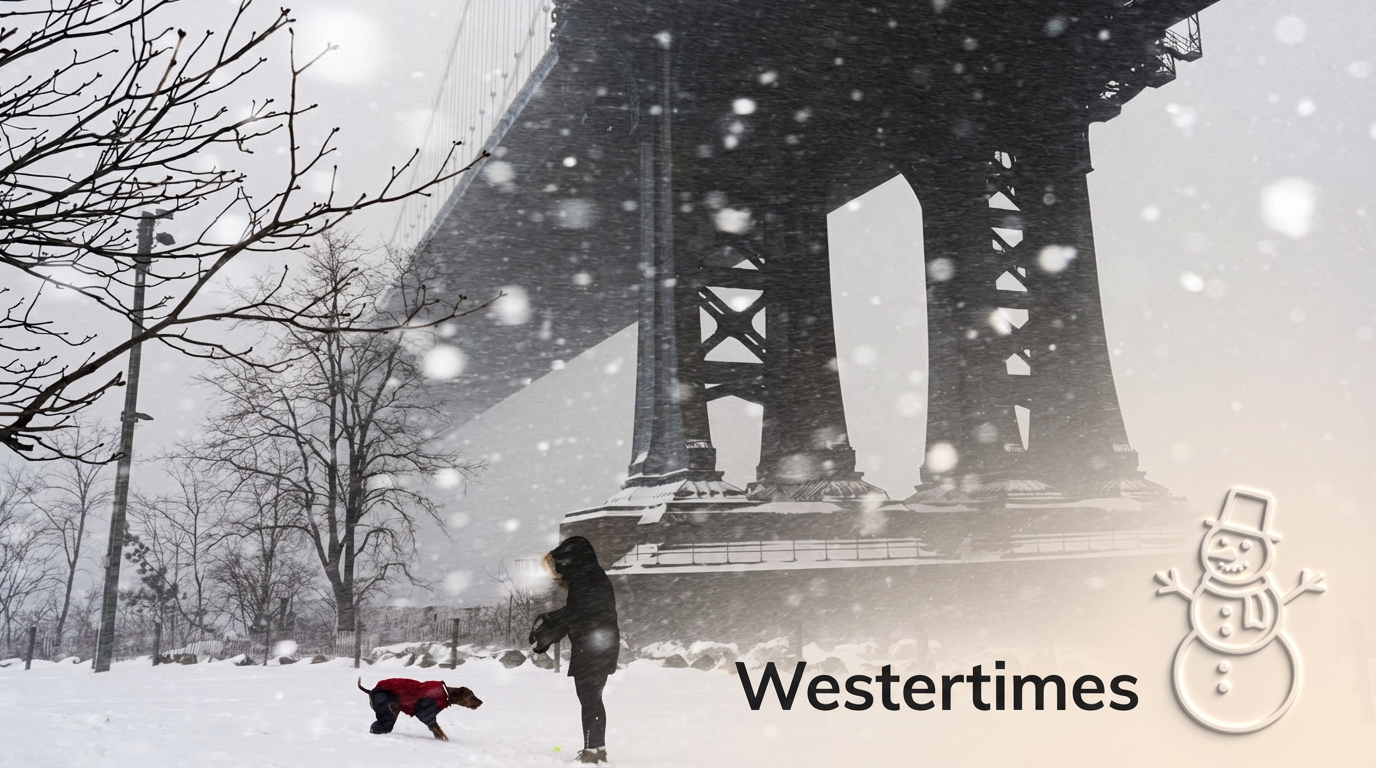
A winter storm is an extreme weather system that occurs when cold air masses collide with moist air, resulting in heavy snowfall, ice accumulation, and strong winds. These storms can reduce visibility, make roads treacherous, and cause widespread power outages. In the U.S., regions such as the Midwest, Northeast, and parts of the South rarely accustomed to extreme cold often face the most severe impacts. Transition periods between fall and winter tend to increase the likelihood of such storms.
Impacts of Winter Storms
The effects of winter storms are far-reaching. Transportation is often the first sector affected, with flight cancellations, highway closures, and train delays becoming common. Power infrastructure can also be compromised as ice accumulation weighs down power lines and tree branches, causing outages that leave thousands of homes without electricity. Additionally, businesses face disruptions, schools close, and healthcare services may be strained due to increased accidents and weather-related emergencies.
Winter storms also pose serious health risks. Prolonged exposure to extreme cold can lead to hypothermia and frostbite, while icy conditions increase the risk of slips, falls, and vehicular accidents. Vulnerable populations, such as the elderly and low-income families, are particularly at risk, emphasizing the importance of community support and emergency preparedness.
Preparing for Winter Storms
Preparation is key to minimizing the damage and risks associated with winter storms. Residents are advised to stock up on essential supplies, including non-perishable food, water, medications, and warm clothing. Vehicles should be equipped with winter tires, emergency kits, and sufficient fuel. Staying informed through weather alerts and local news updates allows individuals to adjust travel plans and avoid unnecessary exposure to dangerous conditions.
Communities and governments also play a crucial role. Snow removal services, emergency shelters, and utility maintenance teams are essential for mitigating the effects of storms. Public awareness campaigns and clear communication about risks help reduce accidents and improve response times during severe weather events.
Conclusion
Winter storms in the United States are powerful natural events that can disrupt daily life, damage infrastructure, and threaten safety. By understanding their patterns, recognizing the risks, and taking proactive steps to prepare, individuals and communities can reduce the impact of these storms. Awareness, preparedness, and timely response are essential for staying safe during the harsh winter months. winter storm emergency preparedness.