Trump Reportedly Supports Israeli Strike on Iran’s Missile Program if Talks Fail
Introduction: Rising Tensions in the Middle East
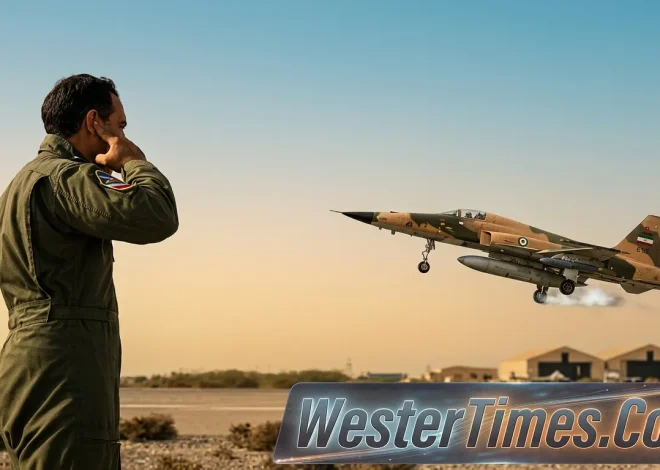
Trump supports Israeli strike on Iran, Geopolitical tensions in the Middle East continue to draw global attention as reports suggest that Donald Trump expressed support for potential military action by Israel against Iran if diplomatic negotiations collapse. This issue focuses on Iran’s ballistic missile development and ongoing nuclear-related discussions with Washington. As leaders pursue negotiations, the risk of escalation reveals the fragile balance between diplomacy and force. Consequently, international security observers and policymakers closely monitor this situation because it could reshape regional stability.
Diplomatic Talks and Rising Pressure
Recent developments unfold alongside renewed negotiations between U.S. and Iranian representatives who aim to reduce tensions through dialogue. Officials plan a second round of talks in Geneva with mediation support, signaling a clear effort to settle disputes peacefully.
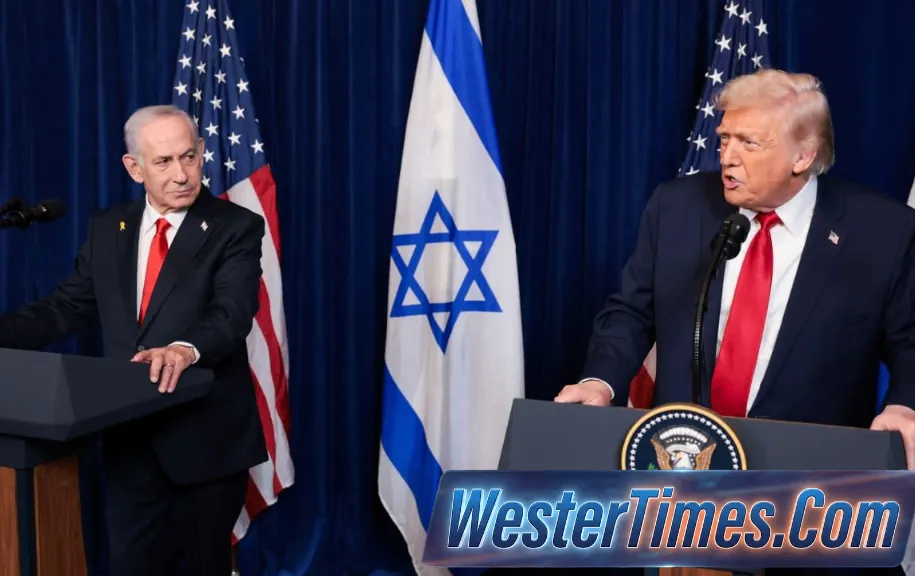
However, reports state that Trump told Israeli Prime Minister Benjamin Netanyahu that he would back Israeli strikes on Iran’s missile infrastructure if negotiations fail. This stance combines diplomacy with deterrence and reflects a strategic approach that prioritizes both dialogue and preparedness. Trump supports Israeli strike on Iran As a result, U.S. foreign policy toward Iran demonstrates complexity and adaptability rather than relying on a single course of action.
Military Support and Strategic Considerations
Policy discussions in Washington now focus less on whether Israel might launch a strike and more on how the United States could assist operationally. Analysts point to possibilities such as providing aerial refueling for Israeli aircraft or pursuing diplomatic arrangements that secure flight access through regional airspace.
Meanwhile, regional actors influence these calculations. Governments in Jordan, Saudi Arabia, and the United Arab Emirates have rejected requests to use their airspace for attacks against Iran, creating logistical challenges for any coordinated action. At the same time, U.S. defense leaders strengthened their regional posture by increasing naval deployments, signaling readiness to respond if tensions escalate further.
Historical Context and Escalation Risks
This situation builds on a long history of confrontation between Iran and Israel. Over the years, both sides engaged in missile exchanges and retaliatory actions that intensified distrust and hostility. These incidents reveal how quickly political tensions can transform into military conflict, prompting analysts to warn about broader regional consequences if another confrontation occurs.
Nevertheless, policymakers continue to prioritize diplomatic engagement. Officials, including Secretary of State Marco Rubio, stress their commitment to peaceful resolution and ongoing negotiations. Such statements highlight the high stakes involved while reinforcing diplomatic channels as the primary pathway forward. Israel Iran missile program.
Implications for Global Stability
The consequences of this geopolitical tension reach far beyond the Middle East. Developments in this region directly influence energy markets, strategic alliances, and global security frameworks. A successful agreement could calm volatility and reinforce diplomatic cooperation, while a failed negotiation might intensify instability and reshape international alignments. Therefore, global observers track official statements, negotiation outcomes, and regional reactions to anticipate potential shifts in world politics.
Conclusion: Balancing Diplomacy and Deterrence
Reports that Donald Trump supports Israeli action against Iran’s missile program if talks fail underscore the delicate balance between diplomacy and deterrence. Negotiations provide hope for de-escalation, yet military planning signals unresolved tension and strategic caution. Ultimately, decisions made during ongoing discussions will guide the region toward stability or confrontation. These outcomes will influence not only Middle Eastern security but also the broader international order.