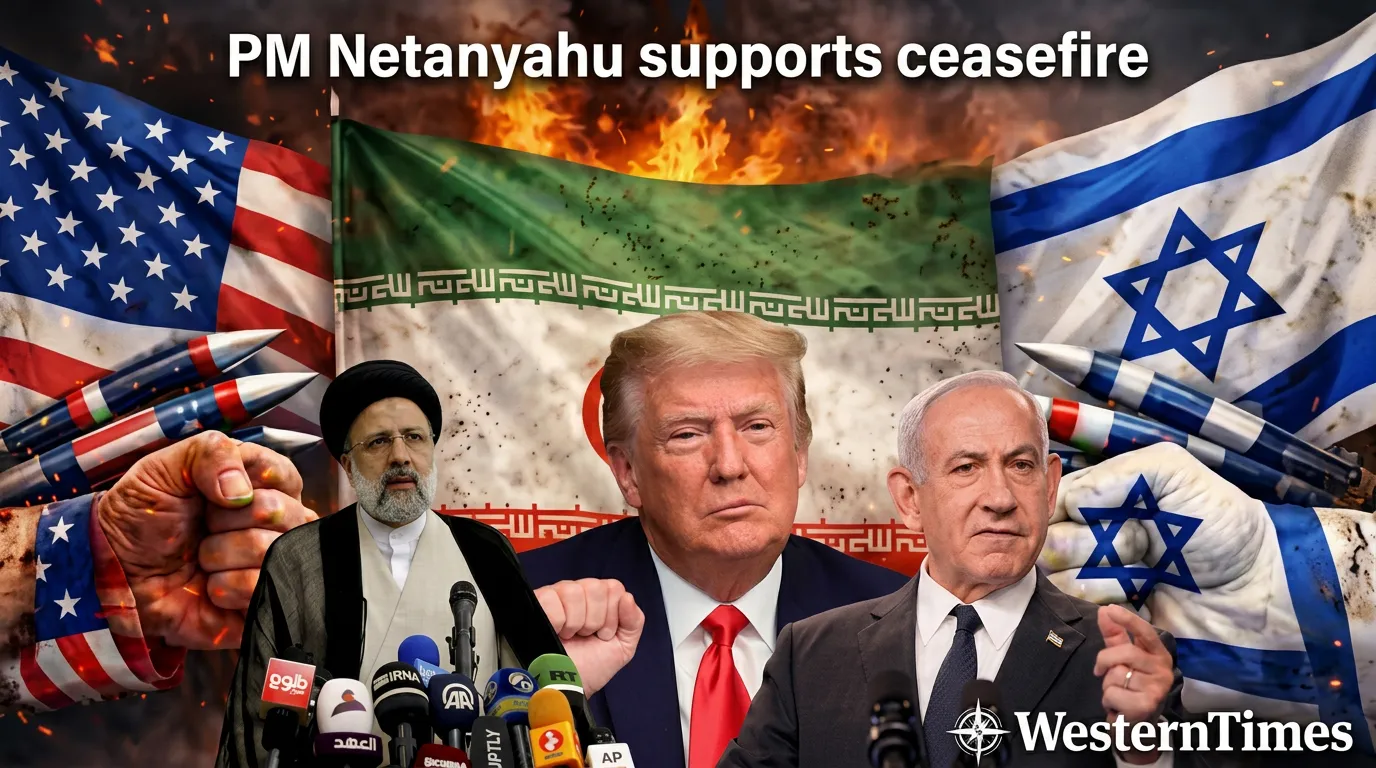
PM Netanyahu Backs Ceasefire, But Lebanon Remains Excluded
Israeli Prime PM Netanyahu supports ceasefire, in ongoing regional conflicts, yet he clarified that the agreement does not extend to Lebanon. This nuanced stance highlights Israel’s strategic approach in addressing regional security threats while maintaining firm boundaries where national interests are involved.
Netanyahu’s Position on the Ceasefire
During a recent press briefing, PM Netanyahu emphasized the importance of halting hostilities in Gaza and the West Bank. He called for immediate cessation of violence, stressing the need to protect civilian lives and stabilize the region. Netanyahu stated that Israel is committed to fostering peace where possible but remains vigilant against groups that threaten its security.
The Israeli leader also warned that while the ceasefire aims to reduce civilian casualties and restore calm, Israel will continue to respond decisively to any threats originating from Lebanon. This statement signals that the government differentiates between areas where dialogue can succeed and regions that require a strong defensive posture.
Lebanon Remains a Sensitive Focus
Israel and Lebanon share a long history of tense relations, primarily due to the activities of Hezbollah along the northern border. Netanyahu’s exclusion of Lebanon from the ceasefire demonstrates a calculated message: Israel prioritizes national security and territorial integrity above blanket agreements. Analysts argue that this move deters hostile actions from militant groups while allowing Israel to maintain operational flexibility.
Furthermore, this decision underscores the complex geopolitical landscape in the Middle East. While the international community pushes for wider peace initiatives, Israel navigates a delicate balance between diplomacy and defense. By separating Lebanon from the ceasefire framework, Netanyahu ensures that any military or security measures remain unimpeded.
International Response and Implications
Global leaders have welcomed Israel’s partial support for the ceasefire, noting that reduced violence in key areas could foster broader negotiations. United Nations representatives praised the move but urged Israel to engage in constructive dialogue with all neighboring states to achieve long-term stability.
Meanwhile, regional experts highlight that excluding Lebanon could either prevent escalation or provoke additional tensions, depending on Hezbollah’s reaction. Netanyahu’s firm stance reflects Israel’s commitment to safeguarding its borders while selectively endorsing peace where feasible.
Looking Ahead: Stability vs. Security
Netanyahu’s approach illustrates a modern strategy in conflict management: prioritize humanitarian outcomes without compromising national security. By advocating a ceasefire in specific areas yet maintaining vigilance along the Lebanese frontier, Israel demonstrates tactical flexibility in a volatile environment.
Observers suggest that continued monitoring and targeted diplomacy will shape the effectiveness of this policy. If successful, Israel could reduce civilian suffering and foster partial regional stability. However, the Lebanese exclusion signals that challenges remain, and Israel remains prepared to act decisively if threats escalate.
Conclusion
PM Netanyahu’s dual approach to the ceasefire supporting peace in certain areas while keeping Lebanon outside the agreement reflects a calculated balance between humanitarian concern and national security priorities. This strategy not only stabilizes immediate conflict zones but also sends a clear message about Israel’s commitment to defending its borders.