Why the “Malaysia Is Becoming a Second Venezuela” Narrative Is Inaccurate
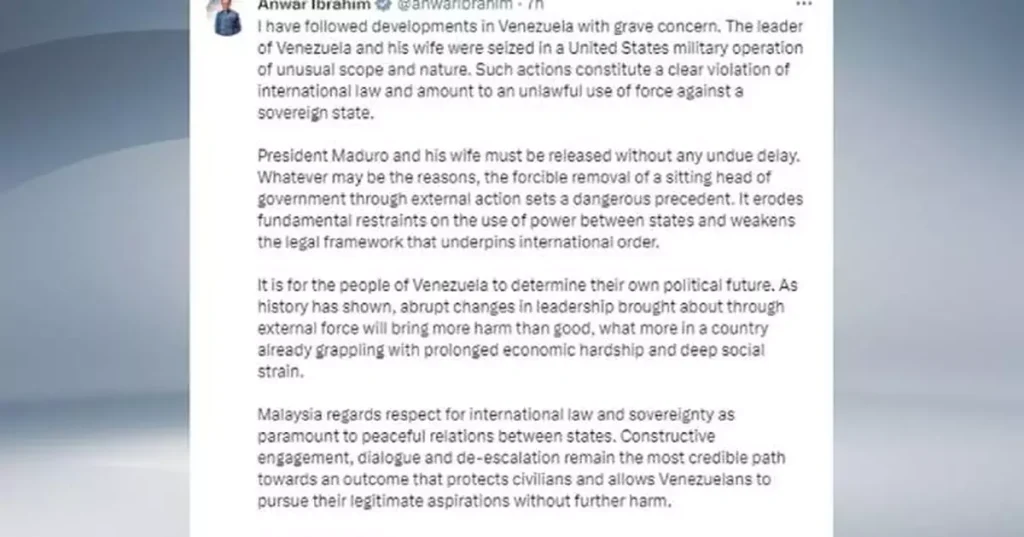
Malaysia next Venezuela. Recently, the narrative claiming that Malaysia could become the “next Venezuela” has started circulating on social media and online forums. This claim sounds dramatic, provocative, and easily grabs attention.
However, when examined objectively, this comparison is not only misleading but also potentially deceptive to the public. Therefore, it is crucial to understand the economic, political, and structural context of the country before believing such sensational narratives. Malaysia next Venezuela
Differences in Economic Foundations
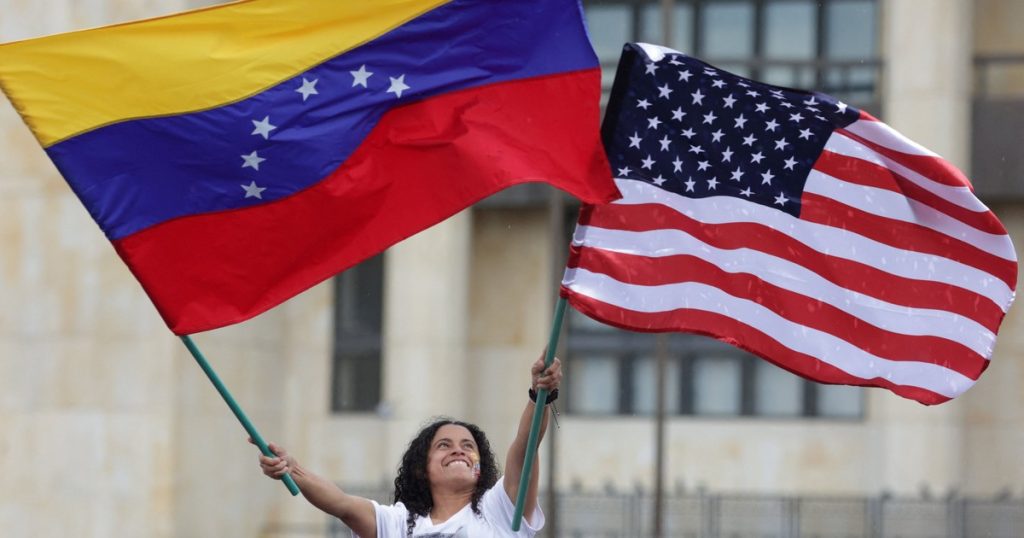
First, Malaysia and Venezuela have very different economic foundations. Venezuela relied heavily on its oil sector as the main source of national revenue for many years. When global oil prices dropped and economic management worsened, the country’s fiscal system was severely impacted. In contrast, Malaysia has a more diversified economy.
Manufacturing, technology, tourism, electronics exports, and financial services provide relatively balanced support. With such a structure, the risk of a total economic crisis is significantly lower.
Institutional and Political Stability
Furthermore, institutional stability is a key factor that is often overlooked. Venezuela has experienced weakened institutions, prolonged internal political conflicts, and international sanctions. As a result, investor confidence collapsed, and massive capital outflows occurred. Malaysia, although facing political challenges, maintains a relatively stable government system and functioning democratic mechanisms. This creates a healthier and more sustainable investment climate.
Prudent Monetary and Fiscal Policies
Additionally, Malaysia’s monetary and fiscal policies show significant differences. Venezuela once faced extreme hyperinflation due to uncontrolled money printing. Meanwhile, Malaysia has a central bank that actively safeguards currency stability, inflation, and interest rate policies. With stricter oversight and data-driven policies, the risk of uncontrollable inflation can be minimized.
Malaysia’s Challenges and Strategies
Nonetheless, this does not mean Malaysia is free from challenges. Global pressures, exchange rate fluctuations, dependence on international trade, and geopolitical uncertainties remain factors to anticipate. This is where strategic policymaking becomes crucial. By strengthening the digital sector, promoting green investments, and improving workforce competitiveness, Malaysia can continue to reinforce its economic resilience.
Sensational Narratives vs. Facts
On the other hand, the spread of the narrative “Malaysia will become the next Venezuela” is often used for specific purposes, ranging from media clickbait to political agendas. Such narratives exploit public fear. In reality, unverified information can create unnecessary panic and undermine public trust in national institutions.
Conclusion
In conclusion, it is important for the public to remain critical and not be easily influenced by sensational narratives. Malaysia and Venezuela have very different historical trajectories, economic structures, and political dynamics. With the right policies and active public participation, Malaysia has significant potential to continue growing steadily. Instead of buying into fear-driven narratives, focusing on data, facts, and long-term solutions is a far wiser approach.